


 App Store
  Google Play
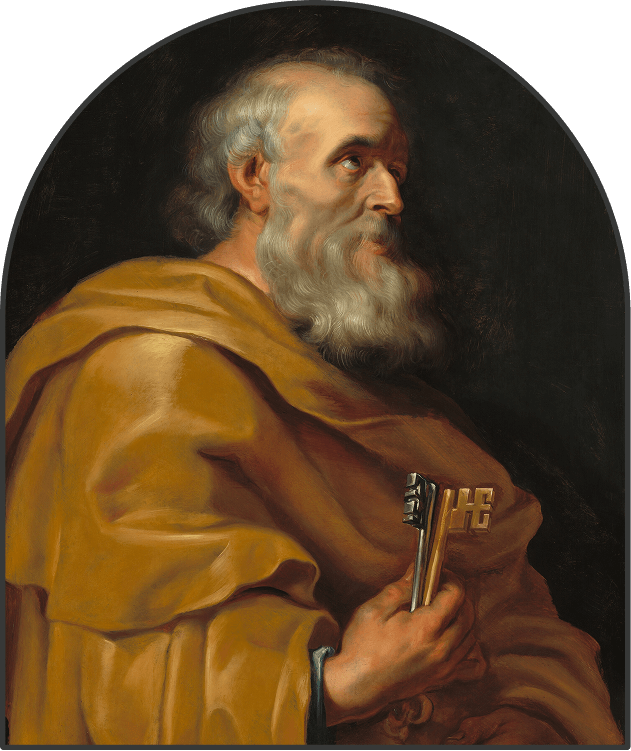
The Prayer Life of Athenagoras of Athens: The Philosopher Who Found Christ in Contemplation

Introduction
Athenagoras of Athens (c. 133 – 190 AD) is one of the earliest apologists and philosophers, and a major figure in Christian history. He began his life by searching for ways to disprove Christianity, but through his contemplation on the Scriptures became a passionate, loving disciple of Jesus Christ. Athenagoras’ transformation from an unbeliever to a Christian encourages all believers today to have faith both intellectually through reasoning, and spiritually through prayer, bringing both sides to unite through sincere belief in Jesus Christ.
The Philosopher’s Conversion: From Refutation to Revelation
In the tradition of the church, we have records of Athenagoras as a follower of paganism in the city of Athens, which was a great educational center, and where many intellectuals, including Paul the Apostle, preached the Gospel of Christ (Acts 17:22-34). Like Saul of Tarsus, who was a Jewish teacher/leader and who also was trying to disprove Christianity by studying the Hebrew Bible to refute it and to support the teachings of traditional Greek philosophy, Athenagoras was the same way as a pagan philosopher when he began his studies by reading the Hebrew Bible and the New Testament to refute Christianity and defend the traditional philosophies of the ancient Greeks.
He had a different outcome than that of Saul—the Apostle Paul—in that while he was studying the Hebrew Bible and the New Testament—in this case the writings of the apostles—he had a personal experience with God that was unexpected, through the Holy Spirit, and as a result of Athenagoras’ contemplative reading and meditating upon the Hebrew Bible and the New Testament writings, he became one of the earliest, most lucid defenders of the Christian faith; and, like the following converts listed in the Bible, he followed a similar pattern to these people:
This conversion pattern appears throughout Scripture and church history:
- Saul on the Damascus road: Persecutor becoming apostle (Acts 9:1-19)
- Augustine reading Romans: Intellectual skeptic encountering truth (Confessions, Book 8)
- C.S. Lewis’s reluctant surrender: “The most dejected and reluctant convert in all England”
Athenagoras made the same discovery that the psalmist wrote about: “The entrance of Your words gives light; it gives understanding to the simple” (Psalm 119:130). God’s Word penetrates even the most sophisticated intellectual defenses when approached with genuine openness.
Was proof that when someone engages in genuine contemplation of the Holy Word of God, and that person initially is motivated by contempt or anger towards the Word of God, his or her heart will be opened to an encounter with the Divine. As the prophet Isaiah said:”So shall My word be that goes forth from My mouth; it shall not return to Me void, but it shall accomplish what I please, and it shall prosper in the thing for which I sent it” (Isaiah 55:11).
Philosophy as Preparation for Contemplation
In contrast to some of the early Christians who viewed philosophy with suspicion, Athenagoras viewed philosophy as preparing him for Divine contemplation. For example, Athenagoras’ training in Platonic philosophy enabled him to distinguish between material and Spiritual realities, between temporal and eternal truths, and between the visible and invisible aspects of life.
Athenagoras’ training gave Athenagoras the ability to comprehend many of the Christian mysteries which would have confused and frustrated people who do not have his type of background in philosophy. Athenagoras understood that God is beyond the physical; that the truth of God exists separately and objectively, from human opinions; and that the soul of man has the capacity to contemplate things and perceive things that exist outside of the realm of physical sensing.
When Paul visited Athens, he encountered this relationship between philosophy and the faith; when Paul went to the Areopagus on Mars Hill, Paul quoted some of the Greek poets to illustrate aspects of Christian faith and truth: “For in Him we live and move and have our being, as also some of your own poets have said, ‘For we are also His offspring'” (Acts 17:28). Paul did not reject all ancient Greek wisdom, nor did he reject all philosophies, but he acknowledged that some of the philosophies and truths that they contained would be used to prepare the minds of the Greeks to receive the Good News.
The same argument is made by Justin Martyr (Athenagoras’ contemporary) that some of the Greek philosophers had “seeds of the Word” (logos spermatikos) and had fragments of truth that pointed to the Fullness of God’s revelation through Christ, the eternal Word. Athenagoras shared this view, and like Justin, he regarded philosophy not as a rival to Christianity but as a servant to Christianity, preparing the hearts and minds of people to receive Divine revelation.
Though Athenagoras recognized philosophy’s merits and limitations, he recognized that it could help people formulate questions and remove intellectual barriers to accepting Christianity, but that only through receiving the Divine Revelation contained in the Holy Scriptures and through the work of the Holy Spirit would people receive answers to their questions. Philosophy prepares the ground; the Holy Scriptures provide the seed; and the Holy Spirit brings forth the produce.
Contemplative Scripture Study: The Foundation of Faith
Athenagoras’ writings clearly demonstrate that he was well-versed in the Holy Scriptures. His writings are filled with quotes from, and references to, the books of the Holy Scriptures, indicating hours of meditative contemplation on the Word of God. By contrast, unlike Athenagoras’ early training as a philosopher, which relied on the wisdom and reason of man, his study of the Holy Scriptures required that he be humble and accept the divine nature of the Holy Scriptures.
The phrase “contemplative reading of Scripture” reflects the later tradition of the Church, lectio divina (divine reading):
- Reading (lectio): Slowly, attentively encountering the text
- Meditation (meditatio): Pondering the text’s meaning, turning it over in one’s mind
- Prayer (oratio): Responding to God based on what the text reveals
- Contemplation (contemplatio): Resting in God’s presence, allowing His truth to transform
Athenagoras did not analyze Scripture in an academic fashion; rather, he prayed over the Holy Scriptures and contemplated on their meaning and application. He followed the example of the psalmist when he expressed, “Oh, how I love Your law! It is my meditation all the day” (Psalm 119:97). His training in philosophy taught him to ask tough, tough questions; his meditative Bible study taught him to welcome and embrace the Divine answers when they were revealed to him.
The prophet Jeremiah describes the experience of discovering God’s Word: “Your words were found, and I ate them, and Your word was to me the joy and rejoicing of my heart” (Jeremiah 15:16). Athenagoras experienced the Holy Scriptures not as dry, lifeless literature to be debated, but as living bread to be consumed, nourishing both his mind and soul and satisfying both his deepest intellectual and spiritual needs.
Prayer as Rational Worship
In his Embassy for the Christians (also called A Plea for the Christians), written around 177 AD and addressed to Emperor Marcus Aurelius, Athenagoras presents a sophisticated understanding of prayer and worship. He defends Christians against charges of atheism by explaining their worship of the invisible God:
We acknowledge one God...who made all things by the Logos, and holds them in being by His Spirit...Him we know from His works...We acknowledge also a Son of God...and the Holy Spirit, and their power in union and their distinction in order.
This well-defined concept of the Trinity at the time of Athenagoras illustrates his contemplative Theology and his understanding of Prayer as communion with God in the absence of visible presence; thus, Prayer itself represents a true union with God in the full essence of the Father, Son and Holy Spirit.
To Athenagoras, therefore, prayer is not irrational superstition, but a rational response to reality and to how God is in reality. If Scripture is true and Reason demonstrates the existence of God, then the only logical conclusion is prayer because it is the act of submitting to God and seeking His Plan.
He writes:
We who distinguish God from matter and demonstrate that matter is one thing and God another...how could we think it reasonable to subject the Ruler of all to the law of fate?
That is, Christians have a reasonable understanding in Worshipping God, who is Sovereign over all Things and who is above, beyond, or transcends all Material causes and through His Spirit, He governs all Things.
This view supports Paul’s appeal:
I beseech you therefore, brethren, by the mercies of God, that you present your bodies a living sacrifice, holy, acceptable to God, which is your reasonable service.
Romans 12:1
The Greek word translated “reasonable” is logiken (logical)—worship aligned with reality’s true nature is inherently rational.
Purity of Heart and Life: Prerequisites for Contemplation
Athenagoras also stressed that true prayer must come from One of Purity of Heart and from One in Holy Living. Athenagoras again defended the ethical position of Christians by outlining the ethical behavior of the Christians:
We are taught not to return blow for blow, nor to go to law with those who plunder and rob us...Who of those who reduce syllogisms and clear up ambiguities have so purified their hearts from impure desires as Christians have?
Athenagoras’s understanding of the ethical connection to contemplation can also be viewed in reference to a statement made by Jesus:
Blessed are the pure in heart, for they shall see God
Matthew 5:8
Athenagoras recognized that unethical behavior would obscure Spiritual Vision while Pure Hearts will clarify Spiritual Vision.
Athenagoras argued that the Christian sexual ethics—against adultery, as well as pornography, and even the evil desire toward a woman—would not be viewed arbitrarily. Instead, Athenagoras maintained that pure hearts produce contemplation. The pure heart has the potential to see the divine, which cannot be perceived by those whose vision is clouded by lust.
This principle of Purity is demonstrated throughout the Scriptures.
- Job’s covenant: “I have made a covenant with my eyes; why then should I look upon a young woman?” (Job 31:1)
- David’s prayer: “Create in me a clean heart, O God, and renew a steadfast spirit within me” (Psalm 51:10)
- James’s warning: “Draw near to God and He will draw near to you. Cleanse your hands, you sinners; and purify your hearts, you double-minded” (James 4:8)
Athenagoras practiced what he preached. By all accounts, he lived with exemplary moral integrity, demonstrating that philosophical sophistication and holy living aren’t contradictory but complementary. His contemplative life required disciplined ethics; his ethics were sustained by contemplative communion with God.
The Resurrection: Central to Contemplative Hope
Athenagoras wrote the treatise On the Resurrection of the Dead, illustrating the central role this doctrine played in his spiritual experience. Unlike the Platonic philosophers, who viewed the body as a prison for the soul and death as freedom, Christianity views resurrection as a whole; to Athenagoras, the resurrection of the body and the soul represented eternal union with God.
Athenagoras also argued philosophically for the rationality of the resurrection: he believed that since God created the body in the beginning, he could certainly make it again. He believed that the soul maintains its identity after death; therefore, for Omnipotence, there can be no difficulty in reuniting the soul with the body after the resurrection.
Athenagoras also recognized the spiritual significance of the resurrection:
God has not created man for nothing...but for contemplation of His works and the highest worship.
Thus, the resurrection guarantees that the whole person continues in worship and contemplation of God—body and soul in full and eternal union.
Athenagoras’ understanding of the resurrection greatly influenced his experience of prayer. He was convinced by the certainty that death would not be the end of his existence, but that through death, he would be transformed. His temporary body would be raised in corruption. Furthermore, his contemplation of God started here in earthly life; therefore, it will continue for all of eternity.
Paul said:
If in this life only we have hope in Christ, we are of all men the most pitiable. But now Christ is risen from the dead, and has become the firstfruits of those who have fallen asleep
1 Corinthians 15:19-20
Athenagoras meditated on this hope, allowing it to shape his present life and prayers.
Martyrdom and the Contemplation of Glory
While we do not know many details about the death of Athenagoras, he lived at a time when Christians were frequently persecuted. His Embassy for the Christians was a defense of their right to exist and a defense against an emperor who was suspicious of that group of people.
Like all of the early Christians who lived during the time of Athenagoras, Athenagoras contemplated the possibility of being martyred. The writings of Athenagoras demonstrate that he was willing to die for the name of Christ if he were called to do so. Athenagoras thought of martyrdom, not as a tragedy, but rather as testimony, the least of all forms for the ultimate witness of the truth of faith.
In defending Christians, Athenagoras stated:
We who think that to observe and be convinced that in God all things are ordered justly and consistently is the greatest impiety, how could we commit murder?
The questioning aspect of Athenagoras’ statement implies that if Christians were to really think about the justice of God, they would rather be the victim of an injustice than to commit such an act against another person. Furthermore, Christians would prefer to die rather than deny their Lord.
The possibility of martyrdom was an influence in the daily prayer and meditation of Athenagoras. The teaching of Jesus Christ, “If anyone desires to come after Me, let him deny himself, and take up his cross daily, and follow Me” (Luke 9:23)—Athenagoras lived with cruciform spirituality, daily surrendering his life to God.
The early church had the understanding that the martyrdom of Christians was the perfect witness—the greatest love of God possible. The martyrdom of Stephen (Acts 7), the death of James (Acts 12:2), and many others provided proof of the ultimate love of God. The daily meditation of Athenagoras was based on the thought that he could also become a martyr someday.
Angels and Demons: The Invisible Warfare
The concept of angels and demons and the spiritual awareness of both were important aspects of Athenagoras’s teachings. Angelic beings were messengers sent from God to humans and provide protection.
Like Paul, the Apostle who wrote, “We do not wrestle against flesh and blood, but against principalities, against powers, against the rulers of the darkness of this age, against spiritual hosts of wickedness in the heavenly places” (Ephesians 6:12), Athenagoras recognized that when a human prays to God, their prayer is occurring in the midst of a cosmic battleground of good and evil.
When discussing the issue of pagan idols, Athenagoras said that these idols are but empty statues and instruments for the devil’s deception of mankind. Demons are feigning to be gods; they receive honor and worship, which is due only to the one true God.
Athenagoras’s understanding of this spiritual deception is what he was trying to combat, and that is the basis for much of Athenagoras’s apologetic work. His goal was to combat not only philosophical errors but also the darkness of the spiritual realm.
For Athenagoras, praying to the true God was a form of spiritual warfare. Every prayer and every act of worship directed to the true God is an attack against the deception of demons. Every individual who converts from the worship of pagan idols to worshipping the true God of Heaven is a victory in the spiritual battle for the souls of all humanity.
This understanding mirrors Daniel’s experience. When Daniel prayed, both angelic and demonic kingdoms were engaging in spiritual conflict:
The prince of the kingdom of Persia withstood me twenty-one days; and behold, Michael, one of the chief princes, came to help me
Daniel 10:13
For Athenagoras, human prayers were the means through which God passed into the heavenly spiritual realm beyond our earthly comprehension.
The Logos: Contemplating Christ as Divine Reason
Central to Athenagoras’s theology was his understanding of Christ as the Logos (Word/Reason). Drawing on both John’s Gospel (“In the beginning was the Word, and the Word was with God, and the Word was God,” John 1:1) and Greek philosophy’s logos concept, Athenagoras presented Christ as divine reason incarnate.
He wrote:
The Son of God is the Logos of the Father in idea and in power...all things were made by Him and without Him was not anything made...This Logos we know to be the Son of God.
Athenagoras’s theological reflections resulted from a deep contemplation of the nature of the divine logos. Athenagoras’s thoughts were rooted in a deep understanding of how the infinite can become finite, an eternal God can exist within time, and how the divine and human can become one.
His meditation on the logos provided the foundation of his prayer life. When Athenagoras was praying to the Father through the Son, he understood that, like the logos, the Son of God mediates between the human and divine, so He communicates between Creator and creature. The understanding expressed in Jesus’ words, “No one comes to the Father except through Me” (John 14:6)—wasn’t arbitrary but reflected reality’s structure.
Athenagoras understood the later theological formulation of the duality of Christ’s nature—the totally divine and the totally human. As he meditated on this mystery, he learned more about how he should live, how he should worship, and what it means to be saved.
The Holy Spirit: Power and Presence
Athenagoras wrote the Holy Spirit in a way showing his deep respect and understanding of the Holy Spirit; including that He comes from God, inspires prophets to speak what God wants them to speak, and is a part of the believers. His understanding of the Holy Spirit (pneumatology) was not at the fullest level that it was in the later times, but Athenagoras had a good understand of the importance of the Holy Spirit to a Christian life.
He understood the Holy Spirit inspired the creation of the Scriptures and helped the prophets to say things that God wanted them to say. This understanding of the Holy Spirit’s involvement in the writing of the Scriptures greatly impacted his life in the way that he meditated and approached the Bible. He believed that God’s words in the Bible were a means of communication with God, being influenced by the Holy Spirit, and not just the wisdom of man.
Athenagoras understood that while an intellectual belief is an important aspect of Christianity, it is not enough to change a person’s heart; one must also have a personal experience of the Holy Spirit. He understood that a person must be born again before they can enter the Kingdom of God (John 3:5) and that the Holy Spirit needed to regenerate their hearts.
This pneumatological awareness made his prayer life dependent on the Spirit’s help. Like Paul, who taught that “the Spirit also helps in our weaknesses. For we do not know what we should pray for as we ought, but the Spirit Himself makes intercession for us with groanings which cannot be uttered” (Romans 8:26), Athenagoras relied on the Spirit to guide his prayers and deepen his communion with God.
Christian Community: Corporate Contemplation
Athenagoras, while writing as a Christian apologist, had a strong commitment to the Christian community. While he spoke of himself as an individual, he defended Christians as a group in his writings. Using the term “we” rather than “I”, he had an understanding of faith as a community and not just private.
When Athenagoras was an early Christian; he regularly participated in corporate worship, which included prayer and the Eucharist. The book of Acts describes how “they continued steadfastly in the apostles’ doctrine and fellowship, in the breaking of bread, and in prayers” (Acts 2:42).
When Athenagoras participated in corporate worship and prayer, he recognized the importance of both corporate and personal prayer. While personal prayer was intended to prepare him for corporate worship (public); corporate worship was to enrich personal prayer. Therefore, both are important.
He also recognized the church is Christ’s body and each of us is called upon to function in the body. The Apostle Paul said it best:
Now you are the body of Christ, and members individually
1 Corinthians 12:27
Athenagoras’s apologetic work was his particular contribution to the body’s health and mission.
Athenagoras’ corporate understanding included intercession. He saw the church universal; the Apostle Paul wrote that he “I bow my knees to the Father of our Lord Jesus Christ, from whom the whole family in heaven and earth is named” (Ephesians 3:14-15), Athenagoras prayed for all believers, recognizing their spiritual unity in Christ.
Contemplating the Divine Attributes
Athenagoras’s philosophical training enabled sophisticated contemplation of God’s attributes. He meditated on divine transcendence, omnipotence, omniscience, eternity, and immutability—qualities that evoked worship and shaped prayer.
Divine Transcendence
He emphasized that God transcends all material categories:
God, who made and fashioned the world, is uncreated, eternal, and without beginning.
Athenagoras criticized the idea that God could be manipulated through rituals and that temples could confine Him; therefore, prayer should be made to God and treated with due reverence.
The concept of God’s transcendence is illustrated in the book of Isaiah:
Thus says the High and Lofty One who inhabits eternity, whose name is Holy: 'I dwell in the high and holy place, with him who has a contrite and humble spirit'
Isaiah 57:15
The transcendent God condescends to dwell with the humble—a mystery Athenagoras contemplated deeply.
Divine Providence
Athenagoras understood that God provides for all of creation by using His wisdom and love. The belief in God’s governance and care for all of creation through divine providence affected Athenagoras’ prayer life. Athenagoras learned that when he was seeking God’s purposes in prayer; rather than asking for a specific outcome, he was seeking God’s will.
Jesus taught this trust:
Look at the birds of the air, for they neither sow nor reap nor gather into barns; yet your heavenly Father feeds them. Are you not of more value than they?
Matthew 6:26
Because Athenagoras’ belief in God’s provision evolved out of his contemplation of divine providence, he had the ability to trust God’s wise governance.
Divine Justice
Athenagoras contemplated God’s perfect justice and that at some point all of humanity would face God’s perfect justice. The contemplation of God’s justice had a dual effect on Athenagoras: comfort to know that God was in control and justice would occur as He will; and fear of God, knowing that he would be accountable to God for his actions. He was motivated by his awareness of the judgment he would face regarding his ethical behavior and grateful that he had received mercy through Christ.
The Apostle Paul wrote:
For we must all appear before the judgment seat of Christ, that each one may receive the things done in the body, according to what he has done, whether good or bad
2 Corinthians 5:10
Athenagoras’s awareness of coming judgment motivated ethical living and grateful prayer for God’s mercy in Christ.
Prayer and Apology: United Mission
The apologetic writings of Athenagoras were a form of prayer because he used his gift of intellect in defense of the truth and to bring about the salvation of the readers of his work. Athenagoras believed that as Christians, all work that is done honorably and as an act of worship, is a form of worship unto God.
The Apostle Paul taught:
Whether you eat or drink, or whatever you do, do all to the glory of God
1 Corinthians 10:31
Athenagoras believed that intellectual work, for the glory of God, was an act of devotion.
His apologetic method combined rigorous argumentation with prayerful dependence on the Spirit. He trusted that well-reasoned defense of Christianity, bathed in prayer, could penetrate hardened hearts just as Scripture had penetrated his own.
He believed that if he could provide a reasonable defense of Christianity, during his time of prayer, it would break through the barriers of the non-believer’s heart; just as Scripture broke through his heart. The integration of thought and prayer proves that there is no contrast between the intellectual life and the spiritual life; these two aspects are essential to the faithful Christian life.
Practical Applications from Athenagoras’s Example
Approach Scripture with Intellectual Honesty
For Athenagoras, this meant reading with care, thoughtfulness and honesty. By being open to intellectual questioning of Scripture, the Holy Spirit can take your diligent study of God’s Word into a more profound faith.
Cultivate Both Mind and Heart
Intellectually and spiritually growing are both important pursuits for you to follow in your relationship with God. Pursuing the knowledge of God through theological study as well as through prayer and contemplation are equally important to fulfilling God’s will for your life.
Practice Lectio Divina
Use the same approach Athenagoras used to draw from the Scriptures: read slowly, reflect deeply, pray in response and rest in the presence of God and allow the Word to change you and guide your life.
See Philosophy as Servant, Not Master
Philosophy can be used to help understand thoughts and ideas, and to help identify barriers to faith; however, God’s revelation of Himself is beyond human reason. Atheos uses philosophy to raise the right questions; ultimately, only God can answer them.
Maintain Moral Purity
Remember that ethical compromise clouds spiritual vision. Pursue holiness not from legalism but from desire to see God clearly. Let contemplation produce transformation.
Contemplate the Resurrection
Spend time thinking about and understanding the significance of the coming resurrection and the hope it gives you regarding current suffering, physical existence, and future promise.
Recognize Spiritual Warfare
Our prayers to God are part of the cosmic battle between God and man; therefore, pray with faith and assurance that God will answer your prayers according to His will.
Meditate on Christ as Logos
Meditate on the way that Christ makes possible for humanity to contact and commune with God the Infinite, Eternal, and Unchanging by being the Mediator between the temporal and the infinite. This understanding of Christ, and how He is both God and man at one and the same time, enriches your understanding of the Incarnation and your prayers in Christ.
Depend on the Holy Spirit
Pray for the assistance of the Holy Spirit in your life. The Spirit will illuminate the Scriptures, guide your prayers and transform your character.
Integrate Private and Corporate Worship
Your personal experience of God through solitary contemplation, prayer, and meditation prepares you for communal worship, providing a richer experience for your solitary contemplations.
Make Your Work an Offering
In all your work, whether intellectual, artistic, manual, or administrative, you can use your vocation to glorify God and serve Him as an act of worship. The work you do is a vehicle through which to worship God.
Athenagoras and Contemporary Christianity
At this point in Christian history, Athenagoras provides an important perspective on the relationship between faith and reason and one’s responsibility to God. In his writings, he states:
Christianity engages intellectual inquiry: Faith doesn’t require checking your brain at the door. God gave us minds to use in His service.
Truth withstands scrutiny: Honest investigation of Christian claims can strengthen rather than weaken faith, as Athenagoras discovered when studying Scripture to refute it.
Contemplation enriches apologetics: The best defenders of faith are those who know God intimately through prayer, not merely those who master arguments.
Philosophy serves theology: Philosophical tools can help articulate Christian truth, though divine revelation must guide and correct philosophical speculation.
Ethics validate theology: The most convincing apologetic is a transformed life. Athenagoras’s moral integrity gave credibility to his intellectual arguments.
Conclusion: The Contemplative Apologist
Saint Athenagoras of Athens reveals that the life of the mind and the life of the spirit aren’t competing paths but complementary dimensions of faithful discipleship. His journey from skeptical philosopher to devoted Christian demonstrates that authentic contemplation of truth leads ultimately to encountering Truth Himself—Jesus Christ, the Logos incarnate.
Athenagoras’s example challenges modern Christians to pursue both intellectual rigor and spiritual depth. We need not choose between thinking clearly and praying deeply—God calls us to both. As Jesus taught:
You shall love the Lord your God with all your heart, with all your soul, and with all your mind
Matthew 22:37, emphasis added
His life demonstrates that contemplative prayer and philosophical reflection mutually enrich each other. Prayer without thought risks sentimentalism; thought without prayer risks arrogance. United, they produce wisdom—the biblical integration of knowledge and devotion, understanding and worship.
May we, following Athenagoras’s example, approach Scripture with minds fully engaged and hearts fully surrendered. May we meditate on theological truth not merely to win arguments but to know God more intimately. May we defend the faith not from intellectual pride but from love for those still seeking truth.
And may we discover, as Athenagoras did, that the same God who created all things through His Logos, sustains all things by His Spirit, and will resurrect all things in His Son—this God invites us into contemplative communion, transforming skeptics into believers, philosophers into worshipers, and apologists into contemplatives.
Come now, and let us reason together, says the Lord
Isaiah 1:18
This divine invitation encompasses both intellectual engagement and spiritual communion—precisely what Athenagoras discovered and embodied throughout his life.
As Paul prayed:
That the God of our Lord Jesus Christ, the Father of glory, may give to you the spirit of wisdom and revelation in the knowledge of Him, the eyes of your understanding being enlightened; that you may know what is the hope of His calling
Ephesians 1:17-18
May we, like Athenagoras, receive this spirit of wisdom and revelation, seeing with enlightened understanding the glorious truth that philosophical speculation can point toward but only divine revelation can fully disclose—the mystery of Christ, “in whom are hidden all the treasures of wisdom and knowledge” (Colossians 2:3).
Soli Deo Gloria—To God alone be the glory, through Jesus Christ our Lord, in the power of the Holy Spirit, now and forever. Amen.
Our Editorial Standards:
All our content on Christian meditation traditions, prayers, and spiritual practices is reviewed by Dr. Megan Remington, PhD, ensuring theological soundness and spiritual depth.
We draw from centuries of Christian contemplative tradition, citing respected theological sources, biblical references, and established spiritual practices.
Our team understands that spiritual struggles are deeply personal. We approach topics of anxiety, strength, healing, and peace with compassion and biblical wisdom.
We continuously review and update our spiritual resources to ensure they remain relevant and aligned with orthodox Christian teaching.
Each article clearly identifies our writers and reviewers, along with the theological sources and biblical foundations used.
 To guarantee that all of our information is accurate, we ensure that all our sources are reputable. That means every source is authenticated and verified to be backed only by medical science.