


 App Store
  Google Play
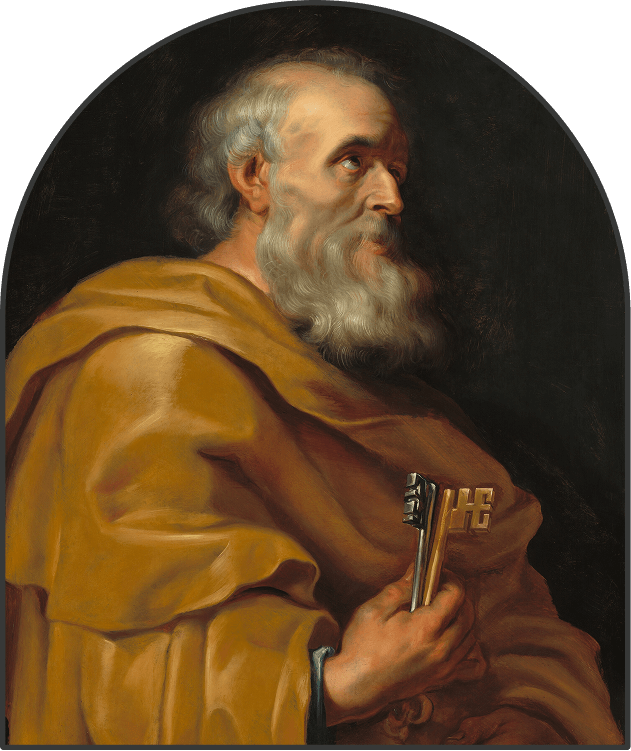
The Prayer Life of Mark the Monk: The Ascetic Who Discovered Grace in the Desert

Introduction
Saint Mark the Monk (also called Mark the Ascetic or Mark the Hermit, c. 5th-6th century AD), one of the most enigmatic yet profoundly influential figures in early Christian mysticism, lived a life almost entirely hidden from historical record. While there is little historical information about this man’s public life, his writings provide insight into his contemplative approach to Christian spirituality. Of utmost importance was Mark’s struggle with fundamental concerns: How is grace related to human effort? How do spiritual practices assist us in salvation? How do we develop from beginners to spiritual maturity? Based on Mark’s decades of solitude and experience, he concluded that prayer is a cooperation between divine grace and human effort, that contemplation must involve the whole person (mind, will, emotions, body), and that one grows through their conscious awareness of their sin.
The Hidden Life: A Man Without Biography
Almost nothing certain is known about Mark’s external life. He probably lived during the fifth or early sixth century, likely in Egypt or Palestine. Most of what we presently know about Mark comes from his works, all of which were included in the Philokalia and have had thousands of readers throughout Christian history. However, due to his hidden life, there is little information about his biographical details—earlier writers, such as Photios, mentioned Mark, but later Byzantine authors found his works to be very valuable.
Mark’s hiddenness carries a deeper spiritual significance. This hidden life exemplifies what Jesus meant when he instructed the world:
When you pray, go into your room, and when you have shut your door, pray to your Father who is in the secret place; and your Father who sees in secret will reward you openly.
Matthew 6:6
Another way of looking at the situation is that the desire for personal recognition results in a void—an inability to be recognized for one’s achievements—not to mention the fact that what has been accomplished privately often becomes public knowledge. The writings of Mark have had countless influences throughout centuries, yet Mark never had a significant public ministry and performed very few public functions.
Yet paradoxically, Mark’s hidden life produced writings that have influenced millions. His works, included in the Philokalia and studied throughout Christian history, demonstrate that what’s cultivated in secret often bears the most public fruit—though perhaps long after the cultivator has died.
The Desert Tradition: Mark’s Context
Mark represents the culmination of the desert monastic tradition. Mark exemplified the fourth and fifth centuries’ desert monasticism, a massive movement that drew thousands of people away from mainstream civilization to find God in the wilderness. Mark’s teachings are rooted in and passed on to his followers through earlier desert monks:
The Desert Fathers and Mothers
Mark inherited and transmitted wisdom from earlier desert saints:
Anthony the Great (251-356): Often referred to as “the father of monasticism,” established the archetype of many of the following ascetical patterns and experiences.
Macarius the Great (c. 300-391): Egyptian hermit whose teachings deeply influenced Eastern Christian mystical life.
Evagrius Ponticus (345-399): A brilliant theologian and mystic who created a theological system around desert spirituality, although some of Evagrius’ theological views have been condemned as heretical.
Pachomius (292-348): Credited with establishing the communal (cenobitic) form of monasticism. His work exemplified that it is possible to accomplish the idea of contemplative spirituality, both in solitude as well as community.
The Desert Mothers: Amma Syncletica, Amma Sarah, and others demonstrated that women, too, are capable of achieving the highest forms of contemplation.
Mark learned from the wisdom of this tradition and was able to demonstrate this wisdom in teaching about spiritual warfare; through teaching the importance of “guarding the heart;” and through teaching sophisticated techniques of thought discernment and integrating together both God’s grace and human effort.
The Ascetic Life
Desert monasticism followed a rigorous ascetic tradition: the following are some of the practices that would exemplify a desert ascetic’s life:
Fasting: Eating only once daily or once every several days (with a minimum amount of food).
Manual labor: Weaving baskets, planting small gardens, copying manuscripts—as busy work to engage the body while praying within the mind.
Night vigils: Rising several times throughout the night to have extended periods of prayer.
Solitude: Living alone or in a loosely connected community with only a small number of people.
Poverty: Putting aside everything but what is necessary (a mat, a garment, perhaps a few books).
Silence: Speaking rarely, only speaking when it is necessary and guarding your words like a precious resource.
These practices are not acts of self-punishment; rather, they form part of a spiritual development program. This program creates an atmosphere in which God’s voice can be heard clearly, weakening the flesh’s grip on the spirit and liberating the spirit to grow stronger.
The Central Tension: Grace and Works
Mark’s unique contribution to Christian spirituality is to study the relationship between grace and works and the tension between the two. This tension would become a major issue of the Protestant Reformation. Mark brought a nuanced understanding of the tension between grace and works.
The Heretical Extremes
Mark wrote against two opposite errors:
Pelagianism: The heresy of teaching that, by their own natural ability, human beings can obtain righteousness without any assistance from God’s grace —”salvation by works.”
Messalianism: In direct contrast to Pelagianism, Messalianism teaches that baptism provides no grace, that every human being is possessed by demons and that one’s moral behavior is unimportant compared to mystical prayer techniques.
Although Pelagianism and Messalianism are opposites of one another, both share the fatal flaw of separating grace from works and separating God’s action from the appropriate human response. In light of these two extreme points of view, he offered a different way of understanding the relationship between grace and works.
Mark’s Synthesis
Mark taught that:
Grace initiates everything: “No one can say that Jesus is Lord except by the Holy Spirit” (1 Corinthians 12:3). Even the first movement toward God requires grace.
Works cooperate with grace: Having received grace, we now must respond through the actions of obedience, virtue and spiritual practices. Grace does not replace the necessity for effort, but rather strengthens it.
Works reveal hidden grace: When we obey the commands of God, we find grace already present as a result of baptism. Works do not earn grace; they reveal the grace that we have already received.
Grace perfects works: While our own efforts are necessary, they cannot be accomplished without the continuing empowerment and perfection of grace.
The synthesis Mark offered does not lead to Pelagian self-sufficiency or the quietist passivity. Mark was insistent on what would later be termed, “synergy”—the partnership of God and man in which the efforts of both are combined without conflict or confusion.
Practical Implications for Prayer
Mark’s understanding of the relationship between grace and works affected his teaching on contemplative prayer:
Prayer is a gift and task: We have a task to pray, while the Holy Spirit provides the gift that empowers us to pray.
Effort matters but doesn’t earn: Practicing spiritual disciplines and practices will create the conditions necessary to allow the operation of God’s grace within us, but those practices will never force Him to act.
Progress comes from God yet requires cooperation: While God gives spiritual maturity, it is our responsibility to have it “worked out with fear and trembling” (Philippians 2:12)
The paradox of grace: As we move on spiritually, we are increasingly aware of our absolute dependence upon God’s grace.
The balanced perspective of this understanding provides a practical guide to action. We neither sit passively while waiting for God to do it all, nor do we exhaust ourselves trying to accomplish all that God can do through grace alone. We pray and work like everything depends on us and trust like everything depends on God.
Spiritual Law: Hidden Grace Manifesting
In one of Mark’s most profound treatises, On the Spiritual Law, he discusses the way that particular laws of the spirit operate in our Christian life.
The Law of Hidden Grace
Mark’s primary definition of hidden grace is that we receive hidden grace when we are baptized, and until we obey God’s commands, we will never see that grace as it is revealed to us. He said:
He who has been deemed worthy of divine baptism has received the remission of all his sins. But he receives the strength to accomplish the commandments according to the measure of his faith and his efforts.
This outlines three things:
Baptism imparts full grace: God has blessed us with all grace in baptism; there are no limitations on God’s gift of grace.
Grace remains hidden: At our initial baptism, we do not recognize the grace within us, but it is there within us.
Obedience reveals grace: When we keep God’s commandments, we will discover that God’s grace is already present within us, giving us the power to obey His commandments.
Faith and effort matter: Our cooperation determines how much hidden grace becomes manifest
This teaching prevents both pride (thinking our efforts earn grace) and despair (believing we lack grace necessary for holiness). Grace is already ours; obedience simply unveils what’s already present.
The Law of Remembrance
Mark taught that the spiritual progression from the remembrance of God to greater awareness of God’s presence is part of what would later be known as “practicing the presence of God.”
He said,
The remembrance of God is pain of heart endured in a spirit of devotion; but he who forgets God arms himself with arrogance and all the evils that come from it.
This “remembrance” (mneme Theou) isn’t merely thinking about God occasionally but cultivating continuous God-awareness that:
Shapes all thinking: In every thought, we consider God as the point of reference.
Governs all decisions: We consciously consider God’s presence while making decisions.
Transforms all activities: Even the most mundane of tasks, through our awareness of God’s presence, we offer to God.
Provides constant companionship: This enduring sense of communion allows us to continually experience God’s presence.
Certainly, Paul’s exhortation to “pray without ceasing” (1 Thessalonians 5:17) is fulfilled in this understanding. Ultimately, this continual communion with God is the basis for all that we do even in our everyday responsibilities.
The Law of Spiritual Warfare
Mark had a thorough understanding of spiritual warfare—the struggle against good and evil, the struggle between grace and sin, and the conflict between virtue and vice.
Mark taught:
Warfare is continuous: Preparation for battle is ongoing until the end of our lives when we shall no longer have to contend with temptation, desires and suggestions from the world.
Victory requires both grace and effort: We can never win the war until Jesus returns, yet we must fight against our enemy continually.
The enemy studies our weaknesses: Our adversary uses our weakest points to get us to fall.
Vigilance is essential:
Be sober, be vigilant; because your adversary the devil walks about like a roaring lion.
1 Peter 5:8
Prayer is the primary weapon: If we consistently invoke God’s divine assistance, we will find victory over our opposition.
Mark’s understanding of warfare had a lasting impact on his teaching about prayer. Prayer does not merely provide us with access to God during peaceful moments; it is our primary weapon against evil when we are faced with opposition and struggle. The contemplative life includes, but is not confined to, engaging in the battle against the forces of evil.
On Those Who Think They Are Made Righteous by Works
In this work, the author speaks directly to grace and action. The title of the book indicates exactly whom Mark is trying to address, which is to those individuals who believe they can obtain righteousness through their own action, and not through the grace of God.
The Critique of Self-Righteousness
Mark wrote:
The person who thinks he is made righteous by his works is not grateful to God. Not being grateful, he is far from God.
This critique identifies pride as the fundamental spiritual problem. When we attribute our spiritual progress to personal effort, we:
Rob God of glory: Taking credit for what grace accomplished
Lose gratitude: Having no one to thank except ourselves
Invite spiritual disaster: Pride preceding the fall (Proverbs 16:18)
Reveal spiritual immaturity: True saints recognize their absolute dependence on grace
The Pharisee in Jesus’s parable exemplifies this error: “God, I thank You that I am not like other men” (Luke 18:11). He prayed but lacked the humility essential to genuine prayer.
The Proper Understanding
Mark taught that:
All good comes from God: “Every good gift and every perfect gift is from above” (James 1:17)
Works reveal grace, don’t earn it: By doing good, we reveal to others that grace has been given to us.
Gratitude characterizes the mature: Those who are mature recognize that they have received grace from God and are living lives of continually giving thanks for grace.
Humility preserves progress: Realizing that they are completely dependent on God’s grace, a humble person would not be hindered by pride, and would therefore be able to continue to grow and develop.
This is not to say that Mark teaches that we do not have to put forth effort, but rather, Mark places effort in the right order. We pray, fast, and practice good deeds—not to gain God’s approval—but to give thanks for the approval we have already received from Him.
Prayer and Humility
The importance of humility in authentic prayer is central to Mark’s understanding of the prayer of the tax collector, “God, be merciful to me a sinner!” (Luke 18:13). The prayer expresses an individual who acknowledges a genuine need for divine mercy and recognizes he has no merit before God.
In the humility of acknowledging his spiritual condition, the tax collector paradoxically was able to approach God with confidence, knowing that he could obtain much through the grace of God as opposed to his own works.
Paul stated this paradox by saying: “I will all the more gladly boast in my weaknesses, that the power of Christ may rest upon me” (2 Corinthians 12:9). Mark’s understanding of spiritual life is based on the very same premise as Paul’s—strengths come from many acknowledged weaknesses; righteousness is based on confessed sin; spiritual maturity results from a continuous acknowledgment of spiritual immaturity.
The Contemplative Method: Guarding the Heart
A central tenet to Mark’s spiritual teaching is guarding one’s heart—vigilantly remaining aware of what one is allowing to enter their consciousness, and thus protecting themselves from evil thoughts that can lead them into the sin of impure intention.
The Heart as Battlefield
Understanding that most of the spiritual warfare in the lives of Christians occurs in the heart, Mark taught that less attention should be placed on outward behavior, and more attention should be placed on what is happening in one’s mind, heart, and the intention behind what one does.
This principle is supported by Jesus, when he said: “Out of the heart proceed evil thoughts, murders, adulteries, fornications, thefts, false witness, blasphemies” (Matthew 15:19). If the heart remains impure, external righteousness is hypocrisy.
Conversely, if the heart is pure, external virtue flows naturally. As Jesus taught: “Blessed are the pure in heart, for they shall see God” (Matthew 5:8). Purity of heart is both means and goal of contemplative practice.
The Method of Vigilance
Mark provided his disciples with many practical guidelines regarding how to guard their hearts against evil:
Notice thoughts immediately: Become aware of what enters consciousness as soon as it arises
Discern the source: Is this thought from God, from the enemy, or from natural human impulses?
Resist evil immediately: Don’t entertain sinful thoughts; reject them the moment they appear
Invoke divine help: Call on Jesus’s name, pray brief prayers, quote Scripture
Return to peace: After resisting temptation, return attention to God rather than dwelling on the battle
Mark’s method requires the development of an internalized, “aware” state of being—at times called nepsis or watchfulness in early Christianity, and “metacognition” by modern psychology. It’s what later Christian tradition would call “watchfulness” (nepsis) and what some modern psychology calls “metacognition.”
The Role of Scripture
Mark believed that the memorization and meditation on the word of God was essential in guarding one’s heart. He taught his spiritual students to counter evil thoughts with the word of God, thus dispelling darkness.
When tempted by the devil, Jesus countered all three of the temptations of the devil with the word of God by quoting passages from Deuteronomy (Matthew 4:1-11). Mark encouraged his followers to imitate Christ in a similar way, storing God’s word in their hearts and using it as a weapon in spiritual battles.
The psalmist said, “Your word I have hidden in my heart, that I might not sin against You” (Psalm 119:11). Once internalized, the word of God serves both as a shield against the enemy’s attack and a sword for striking back at the enemy.
On Baptism: The Foundation
Baptism is the foundation of the Christian mystical life according to Mark in On Holy Baptism. This teaching is significant because Mark believed that the ability for a mystical union with God comes through sacramental experience and not from any type of technique.
Baptismal Grace
Mark taught that baptism:
Cleanses from all sin: Both original sin and personal transgressions are washed away completely
Implants divine life: The Holy Spirit takes up residence within the baptized soul
Establishes divine sonship: We become children of God, heirs of the kingdom
Provides complete grace: Nothing is lacking; all necessary grace for holiness is given
Creates mystical potential: The capacity for contemplative union is established
This democratization of mysticism allows all baptized Christians to possess the grace necessary for the highest spiritual achievements; however, cooperation with the grace received will require dedication.
The Hidden Nature of Grace
Mark taught that baptismal grace, while possessed by each baptized Christian, is hidden from view initially: like a seed planted in the earth. It must be cultivated with spiritual practices to fully manifest.
This explains why most newly baptized Christians do not immediately enter mystical states. The grace is actually present, but the cultivation of this gift must be done through:
Obedience to commandments: Through virtuous living we co-operate with the grace given to us.
Spiritual practices: Prayer, fasting, meditation, and other disciplines
Perseverance through trials: Always having faith in God when it seems that He is not close by.
Humility: Realizing that we are completely dependent upon God’s grace.
Grace is revealed gradually to the extent that we continue to practice these movements; not because we earn grace, but because we remove from ourselves any barriers that prevent grace from being revealed.
The Danger of Presumption
Mark cautioned against presuming that baptismal grace would continue to be exercised without our responsibility as humans to act in co-operation with our Lord by living moral lives and expressing our love through prayer.
Paul warned: “Work out your own salvation with fear and trembling; for it is God who works in you both to will and to do for His good pleasure” (Philippians 2:12-13). Mark applies this to the principle highlighted by Paul for Christians.
The Practice of Prayer: Mark’s Guidance
Mark did not write a complete manual on the practice of prayer like some of the later mystics, although there are hints and scattered examples of contemplative prayer practice throughout his other writings.
Continuous Prayer
Mark encouraged the cultivation of continuous prayer as the process whereby the person maintains a God-centered consciousness while performing all of his daily activities. This is a fulfillment of Paul’s command in 1 Thessalonians 5:17 to “pray without ceasing.”
Methods for developing continuous prayer include but are not limited to:
Brief ejaculatory prayers: Repeated short prayers throughout the course of each day —”Lord, have mercy,” “Jesus, help me,” “Glory to God”
The Jesus Prayer: While not explicitly mentioning the later standardized formula, Mark’s teaching clearly anticipates continuous invocation of Jesus’s name
Offering activities: We are engaged in by offering a brief prayer at the beginning.
Rhythmic repetition: Of the breath, heartbeat or any work rhythm we have as an anchor for prayer.
Scriptural meditation: Upon certain appropriate scripture passages or teachings throughout the day.
The goal of these practices is not to perform continuous verbal prayer since there are times when it is impossible to speak; therefore our awareness of God continues even though no sound is heard.
Interior Prayer
Mark distinguished between external prayer (using spoken words and participating in a liturgy) and internal prayer (the heart communicating with God in silence).
Both external and internal prayers are important, although Mark felt that internal prayer is paramount. It is possible to recite prayers using an external expression and have our hearts not be connected with God (Matthew 15:8).
Descending from head to heart: Moving from intellectual concepts to experiential awareness
Cultivating silence: Creating interior stillness where God’s voice can be heard
Attention to divine presence: Practicing awareness that God sees and hears everything
Simplification: Moving from complex prayers to simple attention
Advanced contemplatives eventually reach a state where prayer becomes less about words (even interior words) and more about simple presence—being with God without need for constant verbal expression.
The Prayer of the Heart
As such, Mark’s teaching provides the groundwork of how the Eastern Christian tradition later developed what is now referred to as the “prayer of the heart,” which engages every part of the individual (intellect, emotions, will, and even body), goes to the spiritual center within the heart where God dwells and where we exist most entirely, is spontaneous and without thought.
This prayer:
Involves the whole person: Intellect, emotions, will, and even physical sensations
Descends to the heart: The spiritual center where God dwells and where we most truly exist
Becomes spontaneous: Eventually arising without conscious effort
Unites with the Spirit:
The Spirit Himself makes intercession for us with groanings which cannot be uttered.
Romans 8:26
Transforms the person: Changing desires, thoughts, and behavior from within
This prayer isn’t achieved through technique but through grace—though faithful practice creates conditions where grace can more fully operate.
Spiritual Warfare: The Desert Reality
The writings of Mark are filled with experience in the spiritual battle against sinful thoughts and ideas that come into our heads.
The Nature of Demonic Attack
Mark taught that demons will attack Christians in different ways, including:
Tempting thoughts: Thoughts that come to your mind that suggest sin.
False reasoning: Ways of arguing against Christ that may seem logical but lead to spiritual error.
Counterfeit consolations: Good spiritual feelings that are cause for pride.
Despair: The feeling of hopelessness; the absence of God.
Distraction:The mental noise that does not allow adequate time for contemplation of God.
The above demonic attacks become more intense as you grow spiritually. The beginner will face temptations in a more obvious way than the advanced Christian who will encounter more subtle forms of deception that require greater levels of discernment.
Defensive Strategies
Mark encourages Christians to fight back against demonic attacks. Mark provides many different recommendations for how to develop a defense against the demonic, including:
Immediate resistance: As soon as you become aware of an evil thought, turn away from it.
Invocation of Jesus: The name of Jesus casts out evil, including demonic suggestions and temptations.
Scripture quotation: Pray and meditate on the Word of God; use your memorized Bible verses as weapons against the devil.
Humility: Acknowledge your weaknesses and trust that God provides divine assistance.
Perseverance: Even if you are under attack by the demonic during prayer or just after you have prayed, do not stop practicing and trying to stay faithful.
Spiritual direction: Seek someone who is wise, knows and understands God’s grace and can assist you.
Sacramental life: Participate frequently in the sacraments of Confession and Holy Communion.
The goal of the spiritual battle is not to eliminate the spiritual battle; the battle continues until you die. The goal is to learn how to successfully fight through the attacks, quickly recover from falls, and maintain your peace of mind.
The Victory of Grace
Mark taught that the way to experience victory over the demonic in the spiritual battle is through God’s grace and not through any individual strength. Demonic forces cannot be defeated by mere will or technical “how to” methods.
Paul, in Ephesians 6:12, writes that: “We do not wrestle against flesh and blood, but against principalities, against powers, against the rulers of the darkness of this age, against spiritual hosts of wickedness in the heavenly places” (Ephesians 6:12). The power of the demonic is much greater than we have as humans. The only power capable of defeating the demonic is Divine Power.
Prayer is the most powerful spiritual weapon. A Christian warrior fights; he realizes, however, that “the battle is the Lord’s” (1 Samuel 17:47).
The Goal: Love and Humility
Mark taught that growth in love for God and neighbor, which is based on true humility, is ultimately the purpose of all spiritual and religious practices, including contemplative prayer.
Love as Fulfillment
According to Mark, the purpose of commandments, spiritual practices and mystical experiences is to grow in love. There are three aspects of love:
Love for God: Because he is God, we desire him for himself rather than only for potential benefits.
Love for neighbor: Because we have compassion for others, we are called to be workers of service and love toward everyone.
Self-forgetful love: Because you are no longer concerned with yourself, your preoccupation with your own spiritual state will be of no concern to you.
This fulfills Jesus’s summary of the Law:
You shall love the Lord your God with all your heart, with all your soul, and with all your mind...You shall love your neighbor as yourself.
Matthew 22:37, 39
If spiritual practices do not produce love, they do not serve any purpose. You can fast, pray and reach mystical states, while still remaining cold-hearted. Paul said of this:
Though I have all faith, so that I could remove mountains, but have not love, I am nothing.
1 Corinthians 13:2
Humility as Foundation
According to Mark, humility must be a foundation for any genuine spiritual growth since:
Prayer becomes self-glorification: When we are humble, we do not give ourselves credit for being holy because we pray often.
Works produce pride: When we are humble, we know that any spiritually beneficial work we do is a result of God’s grace, not our own.
Knowledge inflates: When we are honest about our knowledge of God, instead of using it for the glory of God, we attribute our knowledge to ourselves instead.
Mystical experiences deceive: When we are humble, we never ascribe our spiritual experiences to ourselves.
True humility recognizes:
Complete dependence on grace: “Without Me you can do nothing” (John 15:5)
Ongoing sinfulness: Even advanced souls see residual sin within themselves
God’s incomprehensible transcendence: The more we know God, the more we realize how little we know
Gratitude for everything: Recognizing all good as undeserved gift
The paradox: The holier one becomes, the more acutely one perceives remaining imperfection. The closer to God, the greater the sense of distance. This isn’t false humility but clearer vision—seeing oneself in divine light reveals what darkness hid.
Practical Applications from Mark the Monk’s Example
Embrace the Grace-Effort Paradox
When engaging in spiritual practice, be diligent and work hard. All your spiritual practice requires God’s grace. Therefore, rather than having to choose between effort and God’s grace, you are to act both ways.
Guard Your Heart Vigilantly
Practice Nepsis (Watchfulness). Be watchful of how you respond to the movement of your heart. Be aware of any thoughts that come to you in your heart and be able to discern the source of those thoughts. Resist evil acts that arise in response to your thoughts immediately.
Memorize and Meditate on Scripture
Know God’s Word in your heart and believe that this Word is the vocabulary that you will use when praying and the weapon to ward off temptation.
Recognize Baptism’s Gift
Do not take your baptism lightly. The grace needed for you to live in holiness is already within you and is to be made manifest by your being obedient to God.
Cultivate Continuous Prayer
Throughout the day, pray short prayers asking God to bless all your daily activities, being continually mindful of God’s presence in your life.
Expect Spiritual Warfare
Temptation, demonic activity, and conflict arising from within you are normal to the Christian experience. Be prepared to resist these hostile forces with diligence.
Pursue Love Above All
All of your spiritual practices should be directed towards the growth of love. You should measure your progress by the way you have been made capable of loving God and others.
Maintain Deep Humility
The closer you are to God, the more you will see your imperfections. This new ability to see your remaining imperfections is evidence of spiritual progress, not regression.
Seek Spiritual Direction
You don’t have to navigate your way through your journey alone. Seek out and find Godly people who understand how grace works and can help you to discern the experiences that you are having as you continue to grow spiritually.
Practice Patient Perseverance
It may take many years to attain full maturity in your spirit; don’t expect quick results or be discouraged with your slow progress. Trust that God is at work in His grace.
Balance Solitude and Community
Although Saint Mark emphasized the need for solitude, he also recognized the value of being involved in a church community. Therefore, you need to keep in balance the times when you withdraw for private prayer and those when you participate in church life.
Live Eucharistically
By participating in the sacraments of the church, you draw nourishment for your contemplative prayer. You should not confront mystical experiences and sacraments separately from God, but instead, always understand that they will always be together.
Legacy: Hidden Influence, Lasting Impact
Just as with Mark’s life, his influence in the past has largely been hidden under the shadow of people like Augustine, Jerome and Benedict. Despite the fact that Mark’s teaching has had a significant effect on the acquisition of Christian Eastern spiritualistries, it is arguably more significant than the others mentioned above.
The Philokalia
The books that make up the Philokalia include writings by Mark and preserved for succeeding generations. Because of the Philokalia, the teachings of Mark are being made available to many thousands of Eastern Orthodox Christians so that they may be able to attain holiness and remain holy through time by receiving his teachings through the organization of the Philokalia.
The Grace-Works Synthesis
The synthesis of grace and works found in Mark’s teachings has provided an anticipated balance to the extremes of the grace/works debate on the part of, especially for both later groups of signers in history, on the part of Christians in the West. Had Christian Western theologians paid more attention to the mystical theology of the Eastern Church, perhaps some of the extremes of the Reformation could have been lessened, if not contained within reasonable bounds.
The Jesus Prayer Tradition
Though he did not actually found this form of prayer, Mark’s teaching on Jesus’ name being invoked continuously has contributed to the formation of this tradition as it is now referred to. The continuous remembrance of God that Mark emphasizes serves as the theological foundation for the invocation of the name of Jesus continually.
Contemporary Relevance
The teachings of Mark are applicable to contemporary society’s challenges:
Against self-help spirituality: Mark emphasized that grace creates a “backstop” to the projected idea that we will grow spiritually through a process of self-improvement.
Against quietism: Mark’s constant emphasis on both the necessity of effort and the goodness of God provides a counter to the tendency of many in our era to wait passively for God to do everything.
Against compartmentalization: Mark’s teachings about integrating prayer and effort into daily life provides a corrective to the tendency among many people today to separate their spirituality from their everyday living.
Against spiritual consumerism: Mark’s emphasis on perseverance in humility provides a counter to many contemporary Christians who seek spiritual fulfilment through the highs of peak experiences without having committed themselves to a lifetime of adherence to the teachings of Jesus.
Conclusion: Grace Working Through Cooperation
Saint Mark the Monk urges us to enter into the mystery of God where divine grace, and human response to it come together without confusion or conflict. Where God has done everything, and human cooperation has genuine selfless value, and where salvation is absolutely a gift yet how we respond to that gift determines how much of the gift we will experience.
Mark’s effective private practice of contemplation will yield public attention for centuries to come. The combination of Mark’s contemplation of grace and of works leads us today and throughout centuries of Christian history into real experience of how effort/work, divine grace, and spiritual life can all be combined effectively as faith works through love.
For us to know that our journey with God begins with God presenting a gift to us through baptism rather than our being successful in the journey. The union that we seek has already begun in the act of baptism so we must be cooperating with the grace we already have and doing those things that remove the barriers preventing us from discovering the treasure that was, and is, hidden.
Therefore, my beloved, as you have always obeyed, not as in my presence only, but now much more in my absence, work out your own salvation with fear and trembling; for it is God who works in you both to will and to do for His good pleasure.
Philippians 2:12-13
Therefore, according to the directions of my teacher, St. Mark the Monk, let us embrace the paradox and work as though our work is all that God is going to use, even though we must keep trusting in God to provide all that He will provide. Let us hold our hearts and treasure them as we guard them diligently while we rest in God’s grace’s completeness. Let us pursue holiness vigorously and with energetic fervor, while acknowledging our complete dependence on God’s mercy.
And may we discover, as Mark did, that the spiritual journey is neither pure grace (requiring no effort) nor pure effort (achieving without grace) but the mysterious synergy where divine power and human cooperation unite in producing what neither could accomplish alone.
Not by works of righteousness which we have done, but according to His mercy He saved us, through the washing of regeneration and renewing of the Holy Spirit.
Titus 3:5
Our Editorial Standards:
All our content on Christian meditation traditions, prayers, and spiritual practices is reviewed by Dr. Megan Remington, PhD, ensuring theological soundness and spiritual depth.
We draw from centuries of Christian contemplative tradition, citing respected theological sources, biblical references, and established spiritual practices.
Our team understands that spiritual struggles are deeply personal. We approach topics of anxiety, strength, healing, and peace with compassion and biblical wisdom.
We continuously review and update our spiritual resources to ensure they remain relevant and aligned with orthodox Christian teaching.
Each article clearly identifies our writers and reviewers, along with the theological sources and biblical foundations used.
 To guarantee that all of our information is accurate, we ensure that all our sources are reputable. That means every source is authenticated and verified to be backed only by medical science.