


 App Store
  Google Play
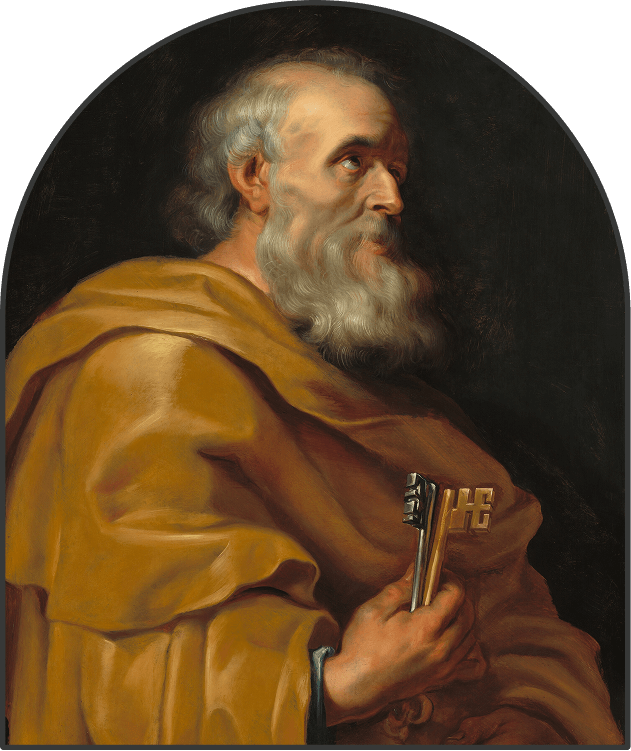
St. Athanasius of Alexandria: The Champion of Orthodoxy’s Hidden Contemplative Life

Introduction
St. Athanasius (c. 296-373 AD), has historically been associated with the championing of Nicene orthodoxy and the opposition to Arianism. He was also an important contemplative whose spirituality became a guiding influence in Eastern Christian mysticism for centuries. The numerous theological battles and five exiles experienced by Athanasius can overshadow his interior life; yet his writings demonstrate that he practiced both prayer, meditation and, thus, contemplation and that these practices influenced his theological writings.
In his seminal biography “Life of Antony,” Athanasius records the spirituality of the desert and also the ideal of his own interior development. Additionally, Athanasius wrote several theological works concerning the Incarnation and Christ’s divinity as a result of prayer and meditation, not only through intellectual argumentation. His teachings about deification (or theosis: the belief that “God became human so that humans might become divine”) represent one of the most important contributions to mysticism within Christianity.
From the above, it can be seen that St. Athanasius incorporated into his spiritual worldview both theological precision and mystical depth. He saw that defending a particular truth and experiencing that truth were intertwined and that the most effective apologists would be those who, through contemplation and other methods, had come into a direct, experiential relationship with the reality they defended.
Formation in Alexandria: The School of Contemplation
Athanasius’ spiritual formation took place in Alexandria, Christianity’s greatest center of intellectual activity during the early fourth century. At this time in history, the Alexandrian approach to theology brought together three characteristics—scholarly sophistication, contemplative depth, and discernment—with an ethical approach to asceticism and a scholarly understanding of philosophy.
The Alexandrian Catechetical School, to which St. Athanasius belonged, continued to be the inheritor of the traditions established by St. Clement and St. Origen. This school shared an integrated approach to spiritual and intellectual formation. St. Athanasius absorbed this integrated understanding, which remained a key characteristic of his ministry.
The Alexandrian church was also the center of the Christian desert fathers. Within St. Athanasius’ youth, Saint Antony had recently gone into the radical wilderness for a period of solitude, as had thousands of Christians. St. Athanasius was personally influenced by the desert fathers and developed a personal connection with Saint Antony during this time, which paved the way for many of his own future acts of prayer and contemplation as demonstrated by the traditions of the Egyptian desert.
For St. Athanasius, the liturgical life of the Alexandrian church—daily prayers, the frequent celebration of the Eucharist and elaborate liturgical celebrations—constituted an essential component of the way he perceived God’s nature and character. St. Athanasius’ emphasis on Christ’s full humanity and the implications of this for the personal union of divine and human natures and the effect of the Incarnation upon the creation—Christ as God—has been informed by his understanding of his liturgical experiences within the church.
St. Athanasius also experienced first-hand the martyrdom of his fellow Alexandrians. During Diocletian’s Great Persecution (303-313), many Christians in Alexandria suffered torture and death for their allegiance to Jesus Christ; they impressed upon St. Athanasius the ultimate seriousness of one’s faith, the reality of the spiritual battle and the divine courage that can be achieved through prayer. The martyrdom of these Christians was the ultimate test of union with God through violence.
Bishop Alexander of Alexandria recognized the gifts of St. Athanasius and trained him for the episcopal office as deacon and assistant secretary. Bishop Alexander was a practical example for St. Athanasius as he taught him how to lead a community as a bishop while maintaining a deep life of prayer. St. Athanasius learned that there were practical responsibilities of a bishop, however, there must also be deep communion with God to support the responsibilities. St. Athanasius integrated these qualities into his own life and maintained contemplative practices during the tumult of his episcopate.
It was during this developmental period that several principles were established and became foundational to St. Athanasius’ spirituality: the dynamic relationship between theology and contemplation; the relationship between the city of Alexandria and the desert; liturgical worship and personal prayer were inseparable; and reliance upon martyrological courage; and, the necessity of continual communion with God for a leader of the church.
The Council of Nicaea: Contemplating the Mystery of Christ
In 325 AD, St. Athanasius attended the Council of Nicaea with Bishop Alexander. At Nicaea, the issue of the divisive nature of Arianism regarding the divinity of Jesus Christ was raised. Even at this early date of St. Athanasius’ life, he was only a deacon. However, through his theological clarity and ability to argue successfully, St. Athanasius made significant contributions to the council. St. Athanasius’ contributions were not merely intellectual; rather, they were the result of many hours spent in contemplative prayer regarding the mystery of Christ.
Arius taught that while the Son was created by God (i.e., that is, a highest creature), he cannot be considered God; therefore, the belief in a finite being does not fully explain Christ’s divinity. St. Athanasius realized that this position, through prayer and contemplation on the nature of Christ’s work of salvation, would destroy Christianity’s salvific foundation. If Christ was not fully divine, he could not have accomplished salvation. No creature (no matter how exalted) could have bridged the infinite gap between God and creation. If God is not an infinite trinity, the Incarnation could not result in the deification of humanity.
St. Athanasius, therefore, devoted the next fifty years of his life defending and promoting the view that the Son is fully divine (i.e., Christ). St. Athanasius made claims that were both truth and direct evidence of his own experiences in prayer—he has seen the effects of Christ and evidence of the divine presence during the Eucharist and witnessed the transformation of many individuals through the ministry of the desert fathers.
Consequently, for St. Athanasius, the Nicene formula (homoousios) became an expression of truth resulting from the experiences he encountered through contemplative prayer. St. Athanasius and his allies defended the Nicene formula against Arianism and its attempts at modifying the truth of Christ’s full divinity and equality with the Father. St. Athanasius maintained this defense of the Nicene formula throughout his life, as a result of his commitment to the truth disclosed to him through contemplation.
As a member of the Council of Nicaea, I can only imagine how much Athanasius spent in prayer for God’s guidance, in search for appropriate terminology and language to express the mystery of the Trinity. For example, how would one express the distinction of Father and Son without implying that there are two false gods? How could one express the distinction of Father and Son without implying a division and confusion of God? How could one express the distinction of Father and Son without losing the unity of the Godhead? These questions were not merely logical; they required a more profound wisdom, the wisdom that is revealed only through contemplation.
Therefore, St. Athanasius’ theological understanding is based on contemplative prayer and response to contemplative prayer. St. Athanasius does not develop doctrine through speculation, but rather, he develops a doctrine (theological thesis) through prayerful contemplation and contemplation of the truth observed through such contemplation and the consequences of failure to understand the truth expressed by God through the contemplation of the divine.
All of St. Athanasius’ approach to his ministry aesthetically represents the dynamic and vital elements that exist between theology and contemplation; that is to say, one forms the basis from which the other is derived. Theology is informed through contemplation of divine truths. Thus, theology serves as a support for contemplation, the same as contemplation supports theology. Each develops a deep relationship with the other. Thus, theology serves as a foundation and provides the church with direction and safety from heresy. Hence, a complete and thorough understanding of Christ’s nature, or what constitutes Christ (e.g., the Trinity), can only occur as the result of prayerful contemplation.
“On the Incarnation”: Theological Meditation
Athanasius’s masterwork “On the Incarnation,” written around 328-335 AD, represents theological meditation of the highest order. While presenting rigorous arguments for why God became human, the text reveals contemplative depth, showing an author who has pondered the Incarnation’s mystery prayerfully and been transformed by it.
Athanasius often reflected upon the experience of his own life as it related to the Scriptures. He believed that writing about the experience of the divine was a way to enhance the faith experience of other people. Thus many of these writings are not simply publishing his thoughts or sermons but communicating to others the insights gained through his unique spiritual journey. The On the Incarnation provides us with Athanasius’ personal testimony of how he encountered God in Christ, that he became immersed in the life of Christ, and subsequently experienced spiritual transformation.
In the first chapter of the On the Incarnation, Athanasius expresses clearly that in Christ, “the Divine Power was made known”. He goes on to explain how the divine power was present in Christ and displayed through His actions. What Athanasius was ultimately trying to convey is that God’s Word has always existed since the beginning of time and is God Himself, and as such, cannot be created; it had to exist outside of time.
The second chapter describes God as a Creator “through the instrumentality of the Word” and explains that God’s creation was accomplished through the “Word”. Here Athanasius identifies the relationship God (the Creator) had with His creation (the created). Athanasius explains that when God created Adam and Eve, He did so to show God’s purpose and intent in creating man and giving him free will; that both God and man were fully involved in the act of creating Adam and Eve. God created Adam in the image of himself; however, man was not created “a God”.
Through God’s creation of man in the image of God, God had given man the authority over creation to take care of and control creation. However, man failed to exercise this authority and consequently lost his dominion over creation. Athanasius saw this failure as the beginning of sin for mankind.
Athanasius states that man lost his authority over creation due to disobedience to God. Athanasius describes how the first man (Adam) was given a command from God to complete a work in response to this authority, and upon doing so, willful disobedience was displayed by disobeying God’s command.
The third chapter continues the topic of the relationship between God (the Creator) and man (the created). However, this chapter is focused upon God’s restoring man to His personal relationship, through Jesus Christ the Word of God, to God (the Creator).
Athanasius believed God sent Christ to restore mankind to a right relationship with God. John 1:14 expresses the nature of God as he describes the incarnation of God as being the man, Jesus Christ, the Word of God. According to Athanasius, the act of God becoming man was not simply to die for man, but to live in the flesh as a human, and by His living in the flesh to identify with all mankind pain, suffering, and death, as well as be resurrected by God.
The fourth chapter outlines God’s gift of salvation to mankind. Athanasius explains to those who had been exiled to Egypt, that they should not feel ashamed about the fact they were exiled and separated from the faith community; rather, they should celebrate the grace of God which had been extended to them.
In the fifth chapter, Athanasius continues to highlight the importance of embracing Christ’s gift of salvation; however, he adds that the gift of God’s grace through Christ should lead to a lifelong commitment to serve and live for others. Athanasius explains that the grace of God should be a means of demonstrating the love of God to others, and thus, the grace of God is a fulfillment of the Word of God.
The last chapter of the On the Incarnation illustrates the importance of incorporating a personal relationship with Christ through grace in the lives of all believers. Throughout the history of Christianity, during these early years, Athanasius expressed his feelings and emotions, which he believed were essential to the development of relationships with God through Christ.
“Life of Antony”: Athanasius’s Contemplative Ideal
In 356–357 AD, during one of his exiles from Alexandria, Athanasius wrote “Life of Antony,” a biography of the desert father Antony, who died in 356. It was one of the most influential books in Christianity, and it represents Athanasius’s thoughts about how to be a true Christian and his concept of what a truly Christian person is like.
The author begins by explaining that Antony was a regular man; he did not have a formal education; he came from a poor family; he had no advantages in life. By emphasizing Antony’s humble beginnings, Athanasius is making a theological point about God’s grace. Antony shows us what prayer can do for anyone seeking God.
He explains how Antony was converted after hearing the Scriptures read in the church. In the same way as Athanasius valued Scripture as the voice of God, when Antony listened to “Sell all you have and give to the poor,” he understood that the message came directly from God. Through this method of meditation on the scriptures and listening for the Lord’s voice in the readings, Athanasius shows us that this was his practice.
Athanasius describes Antony’s struggle against demons, phases of spiritual warfare, and how Antony went from a beginner to a mature contemplative. His descriptions illustrate how Athanasius thinks of spiritual warfare, and that prayer is fighting against spiritual forces. He understands that the contemplative life will involve fighting.
Athanasius’s description of Antony’s teaching on discernment of the Holy Spirit is essential. He teaches that a correct discourse between divine inspiration and demonic counterfeit exists. “The true vision” is characterized by peace, joy, and humility—the false vision including fear, confusion, and pride. This principle was part of the way that Athanasius thought.
The book describes all of the miracles that Antony performed. He healed people, cast out demons, and demonstrated prophetic insight. But, Athanasius makes it very clear that Antony never took credit for these miracles—he always told people that the power he had came from Christ. By showing this, Athanasius demonstrates the great importance of humility—a virtue that comes from holiness.
The most significant theological element of the Life of Antony is the teaching that Athanasius has put into Antony’s mouth regarding the orthodox theological position. When Arian bishops came to Antony for help, he did not support Arian beliefs, but instead, supported the faith of the Nicene Council. Athanasius says that Antony taught that the Son was God and not a creature and is “one in being” with the Father. Whether this is historically accurate or is something Athanasius believed about desert spirituality, it connects desert spirituality with the theological definition of orthodox Christianity.
Another essential truth that Athanasius teaches is that the length of time in contemplation of Antony caused Antony to be changed visibly. He had a bright face, his presence was full of peace, and the advice he was given was wise. The outward brightness of one who has been converted through inner transformation illustrates one of the essential gifts of authentic contemplation.
Athanasius wrote about how Antony died peacefully, consciously, and with divine joy. He died while still speaking to his disciples, giving them direction and telling them to give their souls to God. Athanasius believed that this was a good example of how to live a lifetime of continuing to die and trusting the Lord in death.
The Life of Antony fulfills multiple purposes for Athanasius: it encourages the monks of Egypt to live as Antony and provides an example of a man who has the potential to be a holy person through God’s grace; he gives examples of men who lived in the desert and defended the faith of the Nicene Council; and finally, gives consolation to him during a time in exile, when he was connected to the tradition of desert monks that was still sustaining the Christian faith in Egypt.
However, the most significant purpose for Athanasius’s writing of the Life of Antony was to demonstrate what he believed that Christians should be like. Through the story of Antony, he portrayed the ideal Christian—a man transformed by God’s grace, who defeated spiritual forces through prayer, grew in holiness, lived an exemplary life of service to others, and is made to be like God.
Five Exiles: Contemplation Through Persecution
Athanasius’ time as Bishop of Alexandria was marked with five separate exiles —amounting to seventeen years— for defending Nicene Orthodoxy against the Arian emperors and bishops. Each exile, rather than destroying the spiritual life of Athanasius, was an occasion in which the bishop was able to deepen the contemplative side of his life. It demonstrates how suffering and persecution can serve as schools of prayer and thus a way to teach us to pray.
During his first exile (335-337), Athanasius found himself in Trier, Gaul. He was separated from his beloved Alexandria, and unable to exercise his normal episcopal functions and had no option but to keep praying. This forced retreat became an opportunity for a time of contemplation; it was an extended period of meditation, and time for deepening theological reflection and prayer. While in these exiles, Athanasius wrote his most important works that demonstrate the relationship of contemplation and scholarship.
The second exile (339-346) found him in Rome, as well as time spent in hiding throughout Egypt. In this period, Athanasius suffered real danger; the Arian authorities were hunting him down, on the verge of killing him. Yet, he remained at peace internally, knowing that God would provide for him. This ability to remain spiritually centered despite the chaos surrounding him is a reflection of the depth of his contemplative practice and of the inner stability that comes from habitual union with God.
The third exile (356-362) was the longest and most dangerous of all the exiles, lasting six years. During this time, Athanasius went into hiding in the Egyptian desert, among the monks. The desert fathers and Christians faithfully sheltered him and risked their lives to do so. This is where Athanasius was closest to living the monastic life that he chronicled in his biographical work on Antony.
While in this desert exile, Athanasius experienced the solitude, the silence, the prayers that characterized the monastic life. He celebrated Eucharist in secret, kept the hours of prayer, and further advanced his contemplative practice. The desert fathers who sheltered him became his spiritual fathers, and he was their bishop; the bishop who learned from monks reveals the humility of Athanasius and the understanding that holiness is beyond rank.
The fourth and fifth exiles (362-364 and 365-366, respectively) were shorter but no less difficult to endure than the first three. Each time Athanasius was forced to leave Alexandria, he left behind his flock, who were vulnerable to Arian bishops, and each time he returned to Alexandria, he had to rebuild what he had lost. This cycle of departure and return, of loss and restoration, taught Athanasius contemplative lessons on attachment and detachment.
Throughout these persecutions, Athanasius was faithful to his prayer regimen. Athanasius did not allow his external circumstances to dictate his spiritual life; rather, he used each exile as an opportunity to retreat and as an opportunity to purify; suffering became a school of prayer. It is the transformation of suffering into his opportunity to be spiritually mature in his contemplative practice.
The exiles formed in Athanasius an understanding of divine providence. Repeatedly, times when he thought his situation was hopeless, he was delivered. Arian emperors passed away, policies changed, supporters rallied. Athanasius developed a trust in God that God’s purpose would be fulfilled notwithstanding man’s opposition; such trust in providence is a characteristic of the contemplative faith.
In his letters from exile, we see Athanasius as a good pastor, who kept in connection with his flock through prayer. Even though there was physical distance between him and his flock, he still had spiritual bonds with them. Athanasius prayed for his flock constantly, carrying them in his heart before God; this intercessory dimension of Athanasius’s life shows that real contemplation is never purely individual—it has a catholic scope.
The persecutions reinforced Athanasius’ conviction that spiritual warfare is real. He was not facing merely theological disagreements but demonic influences working through the Arian authority. His primary weapon was prayer; prayer is always more effectual than political maneuvering or military strength. Athanasius’ ultimate victory over Arianism was achieved by prayerful faithfulness and persistence in truth, not through human strategy or human efforts.
Liturgical Spirituality: Prayer of the Church
As Bishop of Alexandria, Athanasius presided over one of the most elaborate liturgical traditions in the Christian faith. The spirituality of Athanasius was thoroughly liturgical in nature, and expressed through and shaped by the corporate worship of the church. Athanasius understood that personal contemplation and communal liturgy are imperial integrated; as such, each supported and enriched the other.
At the heart of Athanasius’ spirituality was the Eucharist. The Eucharist represents the culmination of heaven and earth, and the Christ becomes present and the believers enter into the divine life. For Athanasius, celebrating the Eucharist was not a ritual but a mystical encounter; it was that moment in which the Incarnate Word is presented to believers for communion. Therefore, for Athanasius, the Eucharistic theology and Eucharistic experience of mankind are inseparably intertwined.
By emphasizing Christ’s true divinity, Athanasius shows that this is central to understanding the Eucharist, as well. If Christ is just a created being, the Eucharist has no salvific power; however, if Christ is truly God, then communion with him means the believer truly participates in God and effectively receives deification as through theia, the theosis. Therefore, Eucharistic communion represents the theosis of God within the sacrament of the Eucharist, where the divine life is present within the communicant.
Additionally, Athanasius valued baptism as a mystical rebirth. The baptized person dies with Christ through the waters of baptism, and is raised again to new life. The experience of baptism is not merely symbolic but has a real effect; the Holy Spirit truly regenerates the baptized soul making him an adopted child of God and the temple of the Holy Spirit, and makes him an active participant in the divine nature. Athanasius’ understanding of sacramental realism reflects his contemplative understanding of the spiritual reality.
Athanasius’ daily rhythm was determined by the Liturgy of the Hours; with morning and evening and night prayers marking regular moments of returning to God throughout the day. The fixed hours of prayer allowed Athanasius to prevent his immersion in activity from drowning out his awareness of God’s presence. Even during his busiest ministry as a bishop, Athanasius remained committed to his daily prayer regimen, recognizing that a bishop’s ministry could only be sustained by having a resource of prayer from which to draw.
In his letters from exile, Athanasius expresses the concern that he felt for the proper celebration of the liturgy; he wrote regarding feast days, fasting seasons, and Easter’s calculation. This concern was more than a mere ceremonial viewpoint; it came from the conviction that the liturgical rhythms were intended to shape the Christian consciousness; that sacred time structured ordinary time; and that the church calendar forms a contemplative structure for each year.
By progressing through the Incarnation, Passion, Resurrection, Ascension, and Pentecost, the liturgical year created an annual cycle of meditative reflection on the mysteries of salvation and allowed for each feast to serve as an opportunity for a deeper meditative reflection and entry into the mystery of God, which liturgical contemplation would prevent Christianity from becoming simply an interior life (separately from the church) or from the external ritual (without engagement from the inner self).
Athanasius also believed that the Psalms are prayers; he demonstrates this in his letter to Marcellinus regarding the interpretation of the Psalter. He wrote that the Psalms provide us a language to pray, that they express every human emotion and situation, and they shape the pray-er’s awareness of God. He believed that praying the Psalms is not merely the recitation of another’s words, but to make those words one’s own, and allow them to express the pray-er’s prayer.
Athanasius wrote that during the time of Christ’s earthly ministry, he prayed the Psalms, and that the church has prayed with Christ united with Christ. This Christological interpretation of the Psalms demonstrates Athanasius’ contemplative insight that Christian prayer takes place within Christ’s prayer and ultimately reaches the Father through Christ.
The Trinity: Contemplating Divine Mystery
Athanasius’s thought on the Trinity resulted from years of contemplative thinking about how people encounter God. The affirmation of this experiential encounter with God, through the Son by the Holy Spirit, necessitated a theological explanation that recognized both the oneness and distinction of the three persons of the Trinity as well as the transcendence and immanence of the divine presence and activity.
As Athanasius contemplated the Trinity, he kept in mind that the Father, the Son, and the Holy Spirit are the one God, not three gods. The unity expressed in the term homoousios (same essence) at the Council of Nicaea described the relationship of the Father to the Son; the Son fully shares in the divine nature of the Father and is neither diminished nor inferior to him. Furthermore, the Holy Spirit, also fully divine, is not a created being or an inferior god but is the very God who dwells within believers.
Yet Athanasius, in contemplating the Trinity, also acknowledged the distinction of the persons within the Trinity; for example, the Father is the uncaused source of all things; the Son is the eternal cause of creation; the Holy Spirit comes forth from the Father. Such distinctions do not divide the three persons; instead, they show forth the richness of divine life and the eternal communion that exists among the three persons.
The Trinitarian structure has profound implications for prayer. In prayer, believers address the Father through the Son and by the Spirit, and, in doing so, they participate in the eternal exchange of love that exists between the three divine persons. In praying, Christians enter into the Trinitarian life and thus share the communion enjoyed by the three divine persons.
Athanasius’s contemplation of the Trinity had practical ramifications. For if the Son were not truly divine, then praying to him would be idolatry; if the Spirit were not God, then baptizing in the name of the Spirit would be meaningless. But if the Trinity truly is one God in three persons, then both Christian prayer and sacraments are actually encounters with divine reality.
In addition, he considered the relationship of the Trinity to creation and salvation; the Father created through the Word (the Son) and sanctifies through the Spirit; through the incarnation of the Son, the Father is made known and the Spirit is sent; the Spirit is present in believers, conforming them to the Son and bringing them to the Father. All divine actions toward creation (ad extra) involve all three persons of the Trinity.
Just as the way of salvation follows a Trinitarian pattern, so too does the process of ascending to God by way of contemplation. Believers receive the Spirit, who illumines their minds and hearts, and through the Spirit, they know the Son, acknowledging him to be their Lord and Savior. On the way to the Father, through the Son, believers receive the ultimate goal of mystical union with God.
While contemplating the Trinity, Athanasius saw that the true life of God is love, for the Father eternally loves the Son, the Son returns the love of God to the Father, and the mutual love of God is the Holy Spirit. God is not a solitary monad but a community of love. When human beings participate in the divine life by grace, they are participating in this eternal love and experiencing the same love that the three divine persons share for all eternity.
Spiritual Direction: Guiding Souls to God
Though known as a great theologian and powerful church leader, Athanasius was also a spiritual director. His writings to monks, virgins, and laypeople demonstrate his pastoral heart and contemplative wisdom as he led others to God.
In his correspondence with Dracontius, a monk who was reluctant to accept episcopal ordination, Athanasius demonstrated how contemplation and ministry are interrelated. Rather than denigrating Dracontius’s desire for solitude, he explained how pastoral responsibilities can also be a source of contemplation. Thus, serving God by ministering to God’s people is an expression of one’s love for God.
This example has some validity in Athanasius’s own life. He maintained an active prayer life while carrying out ministerial duties and exhibited that action and contemplation are not necessarily oppositional concepts; they may be complementary—believers should orient themselves toward God even in their actions. Being mindful of God’s presence during the numerous demands of church ministry is important for strengthening a believer’s relationship with God.
Athanasius encouraged women who had consecrated themselves to a celibate lifestyle through his letters to them. He affirmed their commitment to living out their vocation and taught them how to pray and cautioned them about spiritual dangers. He recognized that to be able to live out a consecrated life, deep contemplation is needed. He was clear that unless interior transformation takes place, any external action will be meaningless.
Once again, he emphasized that humility is foundational to the spiritual life; pride destroys contemplation and is a barrier to having a genuine encounter with God. In contrast, humility presents a person as open to receiving God’s grace, receptive to God’s work within them and, therefore, willing to be transformed by God. Athanasius’s experiences supported the truth that all spiritual gifts come by way of God’s grace and are given freely to all who will receive them.
Perseverance is also an essential component of the spiritual life. The spiritual life is characterized by trials, temptations, and periods of spiritual barrenness when it seems that God is absent. Athanasius encouraged his correspondents to persist and maintain their prayer life when it appears that their prayers go nowhere. He urged them to know that even in their darkest moments, God was working in their lives. Athanasius drew on his own experience of five exiles to explain this principle of perseverance through difficulty.
Reading the Holy Scriptures is an indispensable aspect of prayer as the Scriptures are not merely doctrinal but also an avenue for encountering God. By meditating on God’s Word through the practice of lectio divina, one can allow God to speak directly to the believer. As a result, this practice has the potential to shape the believer’s thoughts and actions into the likeness of God.
Finally, Athanasius stressed the importance of discernment when it came to distinguishing between true and false mystical experiences. Not every mystical experience comes from God; some are the counterfeits of demonic sources. The true fruits of spiritual experiences are humility, charity, and peace, whereas false experiences will produce pride, division, and agitation. Therefore, it is essential to use discernment based on the fruits of the experiences as a means of safely navigating the spiritual life.
Deification: The Goal of Contemplation
According to Athanasius, deification (or ‘theosis’) was a major insight of the Christian mystics, and it teaches that “God became human so that humans might become divine.” This doctrine is based on Scripture and developed through contemplative meditation, and it represents the ultimate aim of prayer and all other forms of spiritual practice.
Deification does not mean that humans become “God”; it means that humans will share in the divine nature through grace, and so what they share by participation will be the same as what God is, by nature. Humans, who are joined to God, will be transformed into divine through the union of humanity and deity; thus, man, as iron becomes fiery in fire, remains an iron, just as man becomes divine, as he is part of God, while still remaining human.
This transformation occurs through union with Christ. By uniting the divine and human natures in the one person of the Word when he became incarnate, Christ has incorporated all believers into the Body of Christ through faith and baptism, thus enabling them to participate in all of Christ’s glorification, immortality and participation in divine life.
The Holy Spirit is the means by which believers are materially deified; through the Spirit indwelling in the believer, the Spirit draws out and conforms the believer’s life to that of Christ, adopting them into the family of God. This internal change is true participation in divine life, not a metaphor but a real change effected by God’s grace rather than naturally possessed.
Athanasius thought about how this process of deification happens in stages. Initially, at baptism, a believer has the Holy Spirit come to dwell within him/her. Then through prayer and the sacraments and the performance of virtue, a believer’s union with God grows deeper. Through resurrection, a believer’s body will be glorified, and he/she will meet God face-to-face, and the participation of the believer in divine life will come to fruition.
Athanasius’ vision of the deifying process impacted every aspect of Athanasius’ spirituality. Prayer is a means by which believers participate in divine life. Contemplating on the Trinity dwells in each believer, increasing the awareness of this union of love. Through grace, the believer’s transformation to becoming divine through participation occurs. Virtue reflects God’s character manifested in the believer’s life. Even the believer’s body, which will be resurrected from the dead, is also part of the deifying process.
The doctrine of deification gave Athanasius a standard with which to measure the spirituality of others. Genuine spirituality results in the deification of the person, increasing love, humility, peace and demonstrating God’s divine character in one’s life. If a practice does not result in a likeness to God, it may look very impressive, but it misses the point of what it means to be a Christian.
Athanasius’ teachings on deification have had an influence on the development of Eastern Christian theology and spirituality. The mystical union of God with believers as well as a believers’ ability to truly be transformed to the likeness of God and the optimistic viewpoint that grace can elevate human nature is all a result of Athanasius’ contemplative insights.
Final Years: The Victory of Orthodoxy
Athanasius lived to see the final victory of orthodoxy. After decades of Arian dominance, Arianism finally died out. The Council of Constantinople (381) reaffirmed the Nicene faith and the formula of the homoousios. Although Athanasius died in 373 and did not see the complete victory of the church, he was confident that victory was coming.
During his last years in Alexandria, Athanasius experienced a measure of peace. After 36 years of exiled/monastic living, he had attained stability; thus, he devoted this time to teaching and writing, and providing pastoral care. The theological battles, which had preoccupied him throughout his term as bishop, were all basically over, so this gave him time to be more engaged in spiritual formation with the people of his diocese.
However, regardless of how old he became, or how many victories he had won, Athanasius did not abandon the practice of prayer. He continued to observe the daily liturgy, celebrate the Eucharist, pray the Psalms, and meditate on the Scriptures. Prayer continued to be the focal point for the remaining days of his earthly life and was the primary source out of which flowed all of his theology and ministry.
When Athanasius died in 373, he did so in peace, surrounded by his congregation and successors who were in fellowship with him. It is not clear if he uttered words of victory; but rather, the entire life he lived was a testimony of the grace of God through his obedience to God. The theology he articulated, the spirituality he lived, and the church he served provided the legacy of a man of faith.
Alexandrians mourned the loss of Athanasius because he was seen as both a great shepherd and protector against Arianism and a constant inspiration and example of how to live as a true follower of Jesus Christ, despite his controversial legacy, the opposition, and the political struggles that often occurred as a result of maintaining his commitment to the radical faith of Jesus.
Legacy: Theology as Contemplation
St. Athanasius made multiple significant contributions to the development of Christian spirituality. He was the first to demonstrate the connection between theology and contemplation and thus affirmed the importance of prayer as an experience of God. However, it is important to note that the theological representation of the experience serves as a necessary foundation for understanding the mystical experience, just as the mystical experience is a vital source of theological understanding.
Secondly, St. Athanasius’ teaching of deification represents the core of Eastern Christian mystical theology and has informed spiritual thought in the Orthodox tradition. Athanasius taught that through grace we are transformed into the likeness of God. Furthermore, the notion that believers are participants in the divine nature and that the purpose of the Christian’s life is to attain the likeness of God, continues to shape Orthodox spirituality.
Thirdly, the Life of Antony promoted the practice of desert monasticism throughout the world and inspired many vocations and created a way of writing hagiography. It also linked the universal church to the Egyptian monastic tradition of contemplation. As such, Athanasius’ account of St. Antony is considered by many to be a representation of Christian holiness.
Fourthly, through his unwillingness to yield to the Arian heresy, St. Athanasius preserved the foundation of Christian doctrine and made it possible for the church to maintain its sacramental efficacy and its salvific message through his theological victory; thus, contemplative theology continued to develop from the foundation laid by Athanasius.
Fifthly, Athanasius illustrated the need for bishops to integrate pastoral ministry with contemplative depth, and demonstrated that an ecclesiastical leader must draw from their prayer life to sustain their ministry. Furthermore, he maintained that contemplation is essential for fulfilling one’s administrative responsibilities, and that the fruits of ministry must originate from one’s relationship with God.
Finally, through his perseverance in the face of persecution, St. Athanasius demonstrated that faithfulness to the truth is more important than being successful. He also illustrated that it is possible for someone experiencing suffering to achieve victory by remaining true to their faith. His experiences during his five periods of exile were sermons that testified to his faith through suffering.
Conclusion: The Contemplative Theologian
The life of St. Athanasius of Alexandria reminds Christians today of the potential of integrating theology and spirituality, two areas of Christian life that are often separated by modernity. St. Athanasius provides an outstanding example of someone who lived out both of these integral aspects of our faith. Through the teaching of deification he addresses contemporary issues related to spiritual hunger. Many people are searching for transformation, experiences beyond the physical, and meaning beyond their material existence. St. Athanasius offers not simply self-improvement or psychological growth, but rather genuine participation in the life of God, true union with God, and authentic transformation into the image of God.
Furthermore, St. Athanasius’ continued demonstration of perseverance through persecution serves as encouragement to those who face adversity for their faith. Whether through explicit and dramatic exile or the implicit and more subtle social marginalization of maintaining orthodoxy, Christians are frequently met with resistance. St. Athanasius provides us the assurance that faithfulness to the truth is of greater importance than vindication, and ultimately, that God will honor those who honor him.
The Life of Antony has continued to be an inspiration to many who are seeking to dedicate themselves to a life of contemplation. This witness illustrates the demands of radical discipleship and spiritual combat, as well as the promise of ongoing spiritual transformation through one’s relationship with Christ. St. Athanasius’ writing on St. Antony provides a picture of what it means to be a Christian in a world filled with distraction, and continues to serve as an essential reminder to the church regarding the need for total devotion to prayer in order for the church to fulfil its mission.
Perhaps St. Athanasius’ most profound contribution to Christian spirituality was his understanding of the relationship between theology and contemplation. For him, theological doctrines were not abstract ideas, but rather descriptions of the reality of God experienced through the power of prayer. The Trinity is not a theological riddle; it’s a mystery into which we are invited. The Incarnation is not a mere historical event to be believed, but rather a saving event to be realized through personal experience. Deification is not a far-off goal; it is an ongoing process of transformation.
St. Athanasius of Alexandria, the protector of Nicene Orthodoxy and a quietly contemplative figure, invites us to recover the unity of thought and worship, theology and spirituality, doctrine and experience which were evident in his life. When we recover this unity, we will experience what St. Athanasius experienced: God became human so that humans might become divine; the Word became flesh so that flesh might receive the Word; grace transforms human nature so completely that we can become genuine participants in the divine nature. This is the truth of the gospel, and St. Athanasius lived it out, defended it, proclaimed it, and died confident in it. His legacy continues to inspire a church that prays and thinks theologically and thinks and prays in a context of contemplation as it seeks to defend the truth of God and deepen contemplative experiences through the truth of Christ. Finally, St. Athanasius provides us an example of how the transformation of humanity occurs through participation in the divine nature in the life of faith in God.
Our Editorial Standards:
All our content on Christian meditation traditions, prayers, and spiritual practices is reviewed by Dr. Megan Remington, PhD, ensuring theological soundness and spiritual depth.
We draw from centuries of Christian contemplative tradition, citing respected theological sources, biblical references, and established spiritual practices.
Our team understands that spiritual struggles are deeply personal. We approach topics of anxiety, strength, healing, and peace with compassion and biblical wisdom.
We continuously review and update our spiritual resources to ensure they remain relevant and aligned with orthodox Christian teaching.
Each article clearly identifies our writers and reviewers, along with the theological sources and biblical foundations used.
 To guarantee that all of our information is accurate, we ensure that all our sources are reputable. That means every source is authenticated and verified to be backed only by medical science.