


 App Store
  Google Play
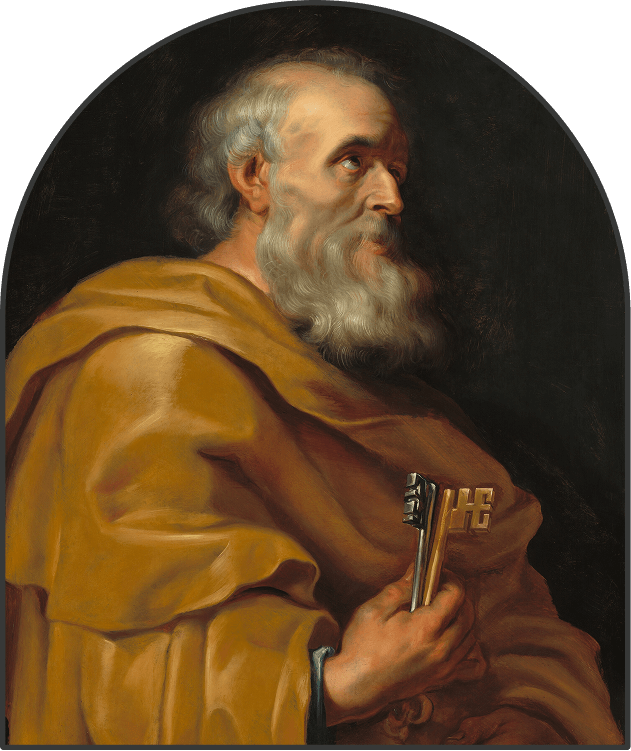
St. Christopher: The Giant’s Journey from Strength to Surrender

Introduction
A giant who endeavored to serve the greatest king in the world found through prayer that the “greatest king” is Jesus, who teaches us that true greatness is in childlike faith.
St. Christopher (died c. 251 AD, though dates vary in tradition) represents the transformation described by Jesus in Matthew 18:3:
Unless you turn and become like children, you will never enter the kingdom of heaven
Matthew 18:3
His transformation from a proud warrior to a meek follower of Christ indicates how prayer changes a person who is strong in spirit into one who serves God with his strength.
The Restless Seeker: A Heart Made for God
Though Reprobus was searching for meaning through physical power, his inner longing was a spiritual quest for God. He knew that life was meant for something beyond just physical existence; he wanted to use the power of his strength to accomplish something greater than himself. Though he could not see it, he was seeking God by praying; he expressed a yearning in his heart for the Creator.
In the book of Ecclesiastes (3:11), God places eternity in the hearts of men so that we each have a space in our hearts that only God can fill. The search for the greatest king for Reprobus was a search for God, unbeknownst to him. Just as the Athenians of the New Testament sought to worship the “unknown god” (Acts 17:23), Reprobus was searching for something his heart recognized but his head could not yet put a name to.
God, who made this yearning of man for God, takes pleasure in our seeking Him:
You will seek me and find me, when you seek me with all your heart
Jeremiah 29:13
Although Reprobus’ initial search was misguided, God rewarded him for seeking for something with all of his heart by leading him closer and closer to the truth through the restlessness caused by his search.
Serving Earthly Kings: The School of Disappointment
When Reprobus first started serving an earthly king, he thought he had found his calling. However, he noticed that this king lived in constant fear of the devil, as evidenced by how he crossed himself whenever anyone mentioned the name of Satan. Reprobus reasoned that the fact that his king was terrified of Satan meant that Satan must have more power than his king. This was a simple conclusion to come to. But it did show that Reprobus also had the spiritual insight to understand that he wanted to serve a king who was all-powerful—not just one who appeared to be all-powerful.
Through his first experience serving the earthly king, Reprobus learned an important lesson—appearances can be deceiving. Reprobus started to realize that true greatness must also involve the absence of fear—the confidence described in Psalm 27:1:
The LORD is my light and my salvation; whom shall I fear?
Psalm 27:1
After leaving the king’s service, Reprobus sought after the devil himself. He found a group of robbers led by a man who claimed to be in league with the devil. However, when the leader of this group saw the cross by the side of the road, he cowered before it, causing Reprobus to realize that there is something greater than the devil that even the devil himself fears.
These experiences were part of God’s providential plan for Reprobus and were what later spiritual writers would refer to as “holy frustration.” Each time Reprobus tried to find the ultimate source of strength, it only brought him closer to the truth. Like the prodigal son who needed to exhaust all of his options in the world before returning home (Luke 15:11-32), Reprobus had to discover for himself that no matter how impressive earthly powers may be, they will always ultimately disappoint him.
This was a time of negative education for Reprobus, as he learned what greatness is not. God often teaches us through removing from us what we think is greatness before adding to us what greatness truly is, through darkness before light, through disappointments before fulfillments. As the psalmist learned:
Some trust in chariots and some in horses, but we trust in the name of the LORD our God
Psalm 20:7
The Hermit’s Teaching: Introduction to Prayer
When Reprobus saw a cross, he did not know what it was, so he asked a Christian hermit in the wilderness what it meant to him, this prompted the hermit to tell Reprobus that it was in reference to Christ; and that Christ, being King of all heaven and earth, chose to accept the path of humility by the way of suffering because of the immense love He had for all human beings. The hermit told Reprobus that the only way to serve the king was spiritually, through prayer and fasting, not physically. This caused Reprobus to have great difficulties grasping how fasting and praying could help him serve a king.
Reprobus was looking for evidence of God’s power like what we see in earthly kingdoms. His understanding of prayer as a ‘weapon’ was very contradicting to his warrior training. For him, prayer presented weakness as it was usually identified as the act of kneeling or bowing down—which he viewed to be submissive to God, whereas he had been accustomed to showing his strength as a warrior; however, the hermit explained that prayer was a type of spiritual warfare and was infinitely more powerful than that of physical knowledge or might.
The hermit’s instruction reflected Jesus’ teaching that God’s kingdom operates by different principles than earthly kingdoms:
The kings of the Gentiles exercise lordship over them... But not so with you. Rather, let the greatest among you become as the youngest, and the leader as one who serves
Luke 22:25-26
For Reprobus, accustomed to displaying strength, the hermit’s call to prayer represented a radical inversion. Prayer looked like weakness—kneeling, bowing, surrendering. Yet the hermit explained that prayer was spiritual warfare, accessing power infinitely greater than physical might:
The weapons of our warfare are not of the flesh but have divine power to destroy strongholds
2 Corinthians 10:4
The hermit taught Reprobus basic prayers, beginning with the Lord’s Prayer. As Reprobus stumbled through “Our Father,” learning to address God as Father rather than distant monarch, something shifted in his heart. The words felt awkward on his lips, yet they touched something deep within—a hunger he hadn’t known he possessed.
But Reprobus struggled with contemplative prayer. His warrior’s body, trained for action, resisted stillness. His mind, focused outward on physical challenges, couldn’t easily turn inward. Sitting in silence felt impossible—his thoughts scattered, his body fidgeted, his spirit grew frustrated.
The hermit recognized Reprobus’s difficulty and offered alternative guidance:
If you cannot fast or remain in contemplative prayer, then serve Christ through your strength. There is a dangerous river crossing where many travelers perish. Use your great size to carry people safely across. In serving the least of Christ's brothers, you serve Christ Himself.
This instruction came from Jesus’ own teaching:
As you did it to one of the least of these my brothers, you did it to me
Matthew 25:40
The hermit wisely recognized that spiritual formation takes different paths for different people. While contemplative prayer forms some souls, active service forms others. Both are valid paths into a deeper relationship with God.
The River Crossing: Active Meditation
Reprobus, who took the advice of the hermit, built a small dwelling beside the rivers’ dangerous waters. He dedicated his life to helping people cross the river; thus, this act became Reprobus’ method of praying—a spirituality many later Christian writers may call “active contemplation” or “prayer through service.”
As Reprobus entered the water to carry people across the river, he discovered that he no longer found God’s presence through silent meditation, but through acts of sacrifice. To him, every crossing became a prayer to Christ. Every person Reprobus carried across the river was an encounter with Christ in disguise.
This practice transformed Reprobus’s understanding of prayer. He discovered that prayer isn’t confined to specific postures or locations but can infuse any activity done for God’s glory:
Whether you eat or drink, or whatever you do, do all to the glory of God
1 Corinthians 10:31
His river crossings became living prayers, his strength offered as worship.
Reprobus was working as he was meditating, because he discovered that by wading through the water, serving as a vessel for people and transporting them, he created an atmosphere of meditative thinking, not a highly structured form of contemplation, and through the rhythm of the water he created an opportunity to meditate.
The Christian Brother Lawrence, centuries later, would articulate what Reprobus discovered: that any action as long as it is done with the consciousness that it is for Christ, becomes prayer; therefore, the line between “sacred” and “secular” is wiped away.
Week after week, Reprobus watched as his heart became softer. Pride turned to humility. The great warrior who sought renown for himself was now satisfied in performing acts of service without being recognized. He continued ministering to the travelers, asking them their names, but he never shared his name or the story of how Reprobus became a servant.
This kind of hidden service to others fulfilled the teachings of Jesus, who taught:
When you give to the needy, do not let your left hand know what your right hand is doing, so that your giving may be in secret
Matthew 6:3-4
Reprobus was learning what later spiritual masters would emphasize: the spiritual life matures not in spectacular experiences but in faithful obscurity.
The Divine Child: Mystical Encounter
The most common account in the legend of Christopher is the account of his encounter with the Christ child while carrying him across the river. According to the legend, one night a child approached Reprobus and asked to be carried across a river, and curious, he agreed and lifted the child onto his shoulders.
As he waded through the water, the child inexplicably became heavier than he thought possible to carry. The intensity of the water flow was increasing, and the waves were crashing around him, and the weight of the child became unbearable. Halfway across the river, Reprobus felt he had reached the point of drowning with the weight of the child.
With no breath left to speak, he gasped and exclaimed,
Child, you weigh as heavily as if I were carrying the whole world!
The child replied:
You carry not only the world but Him who made the world. I am Christ your King, whom you serve by this work.
In that moment, Reprobus’ service to Christ became the ultimate realization that he was serving Christ while carrying the child for all the anonymous people. He became overwhelmed with joy and wonder. Ultimately, this encounter revealed to Reprobus that the greatest king can identify Himself with the least of these.
This encounter gave Reprobus his new name, Christopher, meaning “Christ-bearer.”
Understanding the Mystical Dimension
Even though there are legendary features in Christopher’s tale, his spiritual experience and belief as franchisor is more than the uncertainty of history. The experience he had signified a true mystical experience for he encountered as he received from God the truth behind the veil of our daily lives that God allowed him to see through his eyes.
Similar to the biblical accounts of others also experiencing visions from God—Moses met God (Exodus 3:1-6), Jacob wrestled with God (Genesis 32:22-32), and Paul had an encounter with Jesus the night Paul was travelling to Damascus (Acts 9:1-9). They too experienced a lifting of the veil to experience God.
There are a number of ways in which Christopher had authentic mysticism:
It came unexpectedly: Christopher wasn’t seeking a vision; he was performing ordinary service. God often appears when we’re faithful in small things rather than striving for extraordinary experiences.
It involved suffering: The crushing weight Christopher bore paralleled Christ’s suffering—carrying the weight of human sin. Authentic mysticism includes participating in Christ’s sufferings (Philippians 3:10).
It produced transformation: Christopher emerged changed, understanding his purpose differently. True mystical experiences don’t inflate ego but increase humility and clarity of purpose.
It revealed Christ in the ordinary: The divine child appeared as a vulnerable traveler. God consistently reveals Himself through what seems insignificant—a baby in a manger, bread and wine, the poor and needy.
It aligned with Scripture: Christopher’s experience confirmed biblical teaching about serving Christ through serving others (Matthew 25:31-46). Genuine mysticism never contradicts Scripture but illuminates it.
Prayer After Encounter: The Transformed Life
Prayer for Christopher changed after his encounter with God. No longer did he view prayer as something he could not understand or achieve. He knew personally that Jesus was now his friend, and he was free to speak to Him as he would anyone else.
Christopher’s continued duties by the river also took on a new purpose; the crossing was no longer merely service to the people, but each crossing represented a new communion with God. He prayed for each traveler that he carried and prayed for their protection, their spiritual well-being, and for their eternal well-being. The rhythm of the river became a rhythm of prayer—the weight of the river was representative of the love Christ has for all.
Christopher also began to share with everyone the importance of serving Christ, as he served others. His testimony was simple, but powerful:
I sought the world's greatest king and found Him here, in service to the least. I discovered that real strength lies not in muscles but in love, not in domination but in self-giving.
This evangelistic dimension reflected the natural fruit of mystical encounter. Those who genuinely meet Christ cannot remain silent. Like the Samaritan woman at the well, who after meeting Jesus ran to tell others (John 4:28-30), Christopher shared his discovery eagerly.
Christopher’s life became an example of intercessory prayer. While he was standing in the river, and was on his way to meet travelers, he prayed for the Church, for his fellow Christians who were being persecuted, for the hermit who led him to Christ, and he prayed for all seekers of God. He realized that his ability to serve God through the power of prayer was equal to his ability to serve others; that prayer was a form of carrying others burdens to God (Galatians 6:2).
At night, in his home by the River, he was able to meditate with greater ease than before, because he had met with Christ. The meaning of the words of the child: “You carry Him who made the world” —letting their meaning sink deeper. He reflected on the paradox: God, who needs nothing, choosing to need human service. The Creator, carried by His creature. The King, appearing as a helpless child.
These meditations weren’t intellectual exercises but love’s pondering—the same quality of reflection Mary showed when she “treasured up all these things, pondering them in her heart” (Luke 2:19). Christopher was falling in love with the King he served, and love naturally meditates on the beloved.
Persecution and Prayer: The Final Test
When the Roman Empire began to persecute followers of God, Christopher would have to endure the ultimate test of his faith in God. Christopher, at the time of his arrest, was already known as a professing Christian teacher and Evangelist, he would not sacrifice to the Roman gods and be offered gold and silver as the reward. Christopher’s response to temptation will demonstrate to all how greatly prayer has changed Christopher. The proud and powerful warrior no longer was tempted by his desire for power but now had the courage of God to face His persecutors.
While standing before Emperor Decius, Christopher declared:
I worship Christ alone, the true King, and no other.
His statement was a culmination of the many hours that he prayed, served others, and contemplated the things of God.
There were earthly rewards of great wealth and position offered to Christopher in exchange for him renouncing Christ. Wealth and position may have been sufficient to tempt the old Reprobus in previous years; however, Christopher no longer sought after worldly reward; instead, he valued an eternal reward as his goal:
Do not lay up for yourselves treasures on earth, where moth and rust destroy... but lay up for yourselves treasures in heaven
Matthew 6:19-20
While in prison, as he awaited execution Christopher continued in his prayer life. Similar to the example set by Paul and Silas, who prayed and sang hymns while imprisoned at midnight (Acts 16:25). Christopher continued to convert prisoners while being killed (those that were executed with him tended to be faithful to God before death, which mirrored the example of Christopher while he lived). According to the tradition, many were converted because of the witness that Christopher was able to present, including a number of guards and possibly members from Emperor Decius’ family. The testimony offered by many converts was that through his joy in suffering through God’s grace via prayer, he demonstrated the power of prayer to them.
Torture as Contemplation: Union with Christ’s Passion
The tortures endured by Christopher became his truest participation in the suffering of Christ. The tortures he endured typically included being pierced with arrows and beheaded. These tortures were not only a passive experience of suffering, but through these tortures Christopher engaged in an active prayer uniting his suffering with the redemptive suffering of Jesus Christ.
The Apostle Paul states:
I rejoice in my sufferings for your sake, and in my flesh I am filling up what is lacking in Christ's afflictions for the sake of his body, that is, the church
Colossians 1:24
Christopher experienced this mystical reality: his suffering, united with Christ’s, possessed redemptive value for others.
Each time Christopher experienced pain he had the opportunity to pray. For example, whenever Christopher prayed the words spoken by Jesus, he prayed:
Father, forgive them, for they know not what they do
Luke 23:34
His prayers of intercession offered for the Church and others were also through the suffering inflicted upon him by the torturers. Additionally, his contemplation of the greater suffering of Christ drew upon the strength found in Divine Solidarity in his marital suffering. Through this contemplation, Christopher was able to experience martyrdom as an act of worship as opposed to simply being an act of endurance. Christopher’s eventual death was the ultimate prayer of his life, the total gift of self that all of his earthly service had foreshadowed. Just as Jesus “offered up prayers and supplications, with loud cries and tears, to him who was able to save him from death” (Hebrews 5:7), so Christopher cried out to God through his suffering.
and tears,” so too was Christopher calling out to God through his suffering (Hebrews 5:7).
However, throughout the traditional representation of Christopher’s martyrdom, he experienced an attitude of peace and joy even whilst suffering for his faith. The reason for this was the fulfillment of Jesus’s promise:
In the world you will have tribulation. But take heart; I have overcome the world
John 16:33
Christopher’s years of prayer had anchored him so firmly in Christ that even death couldn’t shake his peace.
The Mystical Meaning of the Name
The name of Christopher, “Christ-bearer,” contains many levels of spiritual meaning—beyond merely the legend of Christopher himself. All Christians are called to follow the example of Christopher, in that each of us is called to carry Christ into the world.
The Apostle Paul stated
It is no longer I who live, but Christ who lives in me
Galatians 2:20
The indwelling of Christ means that Christians are literally carrying Christ inside (Romans 6: 3-4); thus, wherever we go, we take Christ with us. The importance of prayer to the growth in understanding this truth cannot be overemphasized. We must all understand that we are conscious bearers of Christ instead of unconscious vessels of Christ.
The physical act of helping others to cross a body of water illustrates the spiritual truth of helping others to find salvation through witnessing, serving, and interceding. The amount of strength that Christopher needed to carry others across a body of water was made available to him through the strength of prayer.
The gradual increase in the weight of the child carried across the body of water serves as an illustration of how we come to understand the true nature of Christ. Initially, we approach Christ as being “good” or as a wise teacher—a light burden. However, as we continue to grow in our relationship through prayer, we come to realize that Christ is God, our Creator, Redeemer. The One who bears “all things by the word of his power” (Hebrews 1:3) was increasingly revealed through prayer, resulting in His glory becoming more overwhelming each time we see it.
However, Christ also promises:
My yoke is easy, and my burden is light
Matthew 11:30
Both are true: we cannot carry Him without great difficulty; however, He, along with us, carries our burdens as well and therefore allows us to bear the load of being a follower of Christ and still have peace! Through the gift of prayer, the mystery of how the ‘weight’ of being a Christian becomes not a crushing weight, but rather a liberating purpose is revealed through prayer!
Lessons for Contemporary Prayer Life
Christopher’s experience can offer meaningful guidance on how to create prayer practices in our contemporary lives.
Meet people where they are: The hermit wisely gave Christopher service-oriented prayer when contemplative prayer seemed impossible. We need to realize that the variety of ways that God is found in prayer are all valid; each way is an opportunity to take part in God’s life. God comes to the person according to his or her ability and continues to develop that ability over time.
Recognize prayer in action: Christopher discovered prayer through river crossings before mastering formal contemplation. Likewise, when we offer God whatever we do through our work, we too can experience prayer through these various aspects of our lives. Brother Lawrence revealed that daily work can become an opportunity for creating community with God.
Seek Christ in others: Christopher’s mystical encounter revealed Christ in a vulnerable child. Throughout his ministry, Christ taught this idea in many other forms. Matthew states it best when he records:
As you did it to one of the least of these my brothers, you did it to me
Matthew 25:40
Prayer should open our eyes to see Christ in the hungry, thirsty, stranger, naked, sick, and imprisoned.
Let service inform contemplation: Christopher’s active service created content for later meditation. Our experiences in daily life should be the basis for how we see Christ in others and ask Christ to permit us to provide service to Him via the work we offer Him. Through prayer, we can bring our experiences into the presence of God, asking God to show us the spiritual significance of those experiences. All of life is a continual conversation with God.
Embrace your unique calling: Christopher’s size and strength, initially sources of pride, became instruments of service once consecrated. The unique and doted gifts, temperaments, and circumstances we experience are present in order to allow for spiritual challenges to arise. The unique gifts, temperaments and circumstances we have are not obstacles but rather, opportunities through which God can shape us as God desires.
Value hidden faithfulness: Christopher served anonymously for years before his mystical encounter. God honors persistent, hidden obedience more than spectacular but sporadic devotion. Jesus warned against praying to be seen by others (Matthew 6:5). Much of our prayer life should remain between us and God alone.
Understand suffering’s mystical dimension: Christopher’s martyrdom became participation in Christ’s passion. When we suffer—whether through persecution, illness, disappointment, or ordinary hardship—we can unite our suffering with Christ’s through prayer, transforming pain into redemptive offering.
Let encounter transform you: Christopher’s meeting with Christ utterly changed him, even giving him a new name. Authentic prayer produces transformation. We approach God as one person and gradually become another—not through self-effort but through exposure to divine love.
Teach through testimony: After his encounter, Christopher shared his story with travelers. Our prayer life should eventually overflow into witness—not proud proclamation but humble sharing of what God has done for us.
Prepare for testing: Christopher’s years of faithful service and growing prayer life prepared him for persecution’s test. We build spiritual resilience not in crisis but through daily faithfulness. Regular prayer establishes the foundation that crisis reveals.
The Patron of Travelers: Continuing Intercession
Christopher became Christianity’s patron saint of travelers—a fitting honor for one who spent his life helping people cross dangerous waters. This patronage reflects the belief that saints in heaven continue interceding for believers on earth.
While we pray to God alone, recognizing that “there is one mediator between God and men, the man Christ Jesus” (1 Timothy 2:5), Christians across centuries have asked departed saints to pray for them, just as we ask living Christians to pray. Christopher, who prayed constantly for travelers during his earthly life, was believed to continue that intercession from heaven.
This understanding flows from the “communion of saints” mentioned in the Apostles’ Creed—the spiritual unity of all believers, living and departed, in Christ’s body. Paul wrote that we are “surrounded by so great a cloud of witnesses” (Hebrews 12:1), suggesting awareness and connection between earthly and heavenly believers.
Whether one accepts this practice or not, Christopher’s patronage reminds us that intercessory prayer matters profoundly. His earthly prayers bore fruit in conversions, physical rescues, and spiritual strengthening. His example encourages us to pray faithfully for others, trusting that such prayers accomplish more than we can see.
Physical Strength, Spiritual Power
Christopher’s life illustrates the link between physical and spiritual strength since his massive size at first embodied earthly, worldly power; however, through prayer and service to God, Christopher’s physical strength was not simply a worldly possession but had been set apart, or consecrated, for God’s kingdom purposes.
While Christopher’s physical size remained constant; its meaning changed from a source of pride to an instrument of service because it was now sanctified through the power of prayer. Similar to how prayer sanctifies a different aspect of our lives (whether it be our talents, resources, relationships or experiences), as such, through prayer our lives become aligning with God’s kingdom purpose. This is in accordance with Paul’s teaching regarding how to present our bodies as being holy and acceptable to God.
Paul states that we should:
Present your bodies as a living sacrifice, holy and acceptable to God, which is your spiritual worship
Romans 12:1
Christopher literally presented his physical body – his strength, capacity, and humanity – to God as an act of worship. Each time Christopher crossed a river, it was an embodiment of his prayers.
This relationship between Christopher’s physical and spiritual nature dispels the false dichotomy that exists in many people’s minds between body and soul; as such, Biblical faith acknowledges that the body is “good” because it was created by and therefore, was redeemed by Christ and has been destined for resurrection. In addition, a true understanding of the relationship between body and soul subjects bodily desires to spiritual purposes; this demonstration of the integration of Christopher’s physical and spiritual nature illustrates how his strong body acted as a servant to his praying spirit.
Contemplating Christ’s Humility
Christopher’s encounter with Christ was a mystical experience that centered around Christ humbling Himself by coming to earth as a mere infant (the heavenly king came to earth in the vulnerable form of an infant). The mystery of God’s self-emptying love was the central focus of Christopher’s thought while meditating on this revelation.
Through Paul’s teaching, we learn of the mystery of Christ’s humility:
though he was in the form of God, did not count equality with God a thing to be grasped, but emptied himself, by taking the form of a servant
Philippians 2:6-7
Christopher was continually thinking about how the Creator became the creature, how the King became a servant, and how the Almighty became an infant.
Christopher’s meditations about how humility conveys greatness changed his thinking about true greatness. He believed true greatness is expressed through humility. True greatness brings authority through service versus domination and true greatness bears burdens, instead of imposing them.
Christopher did not learn of God’s greatness by means of abstract theories; rather, he learned of God’s greatness through personal experience of God’s glory disguised as a child’s vulnerable need, felt by Christopher to be a tremendous burden and yet a joy and a privilege. Through contemplative reflection on the experience of God’s glory, Christopher’s understanding of God’s greatness expanded.
By meditating on the humility of Christ, contemporary believers can gain insight. Participants should meditate on how God became a human being (the Incarnation) and reflect on how Jesus humbled Himself by washing the disciples’ feet, then think about how the true power of Jesus Christ was expressed through the means of the Cross, where he represented Himself with apparent weakness. Such meditations gradually conform believers into the image of Christ (Romans 8:29).
The Prayer of Surrender
Christopher’s transformation began when he surrendered his strength for the good of others rather than trying to use his strength as a means to boast of himself or display his superiority over other people. Christopher’s act of surrender was, in and of itself, a type of prayer; it was the prayer of relinquishment that Jesus uttered:
Not my will, but yours, be done
Luke 22:42
Many people struggle with prayer because they try to use prayer as a way of getting God to fulfil their plans. However, Christopher discovered prayer for what it truly was: agreement between his will and God’s will, surrender to God’s purpose for Christopher’s life, and offering his gifts to God for use in His kingdom.
Though the prayer of surrender does not mean doing nothing or being resigned, Christopher was actively in service, vigorously at work doing, and courageously witnessing. The difference was that Christopher’s actions were a result of a surrendered will, rather than selfish ambition. Christopher learned what Jesus taught:
Whoever loses his life for my sake will find it
Matthew 16:25
The prayer of surrender often begins with simple phrases repeated throughout the day:
- “Your will be done”
- “Here I am, Lord”
- “Not mine, but yours”
- “Into your hands I commit my spirit”
These prayers gradually transform consciousness, shifting focus from self to God, from grasping to releasing, from controlling to trusting. Christopher lived this transformation, moving from seeking his own glory to seeking God’s glory alone.
From Searching to Finding to Seeking Again
Christopher’s spiritual journey followed a pattern common to authentic faith: searching for God, finding Him, then continuing to seek Him with new understanding.
Initially, Christopher sought the greatest king—a search motivated by pride and ambition. After encountering Christ, he found what he’d been seeking. But finding didn’t end seeking; it transformed seeking into something deeper. Having found Christ, Christopher spent the rest of his life seeking to know Him more fully, serve Him more faithfully, love Him more completely.
This pattern fulfills Scripture’s invitation:
Seek the LORD and his strength; seek his presence continually!
Psalm 105:4
Even after finding God, we continue seeking—not because we’ve lost Him but because divine mystery infinitely exceeds our comprehension. Each revelation invites deeper exploration; each encounter opens new vistas.
Christopher discovered that prayer is simultaneously arriving and journeying, resting and seeking, finding and pursuing. We rest in God’s presence even as we seek to know Him more deeply. We find Christ yet continue searching for fuller understanding of His infinite nature.
This dynamic quality makes prayer endlessly rich rather than repetitively boring. Each day offers fresh opportunity to know God more intimately, understand Scripture more deeply, experience divine love more profoundly. Prayer becomes lifelong adventure rather than dutiful obligation.
Conclusion: Carrying Christ into the World
St. Christopher’s life serves as an example for all believers of their responsibility to carry Christ into the world. Christianity is more than performing miraculous deeds; it is being the faithful presence of Christ to all His creations through service and through humility.
Initially, Christopher sought to gain a sense of power as the greatest earthly person and subsequently discovered that God had given him a different purpose in his life, namely, to be a servant to God in heaven. Christopher originally tried to use his physical strength to accomplish his purpose; however, we now understand through God’s grace we receive spiritual strength to continue to fulfil what we believe He has for us. Christopher’s desire was to gain control of his ultimate destiny by doing God’s will but in the end it was through surrendering to Lord Jesus Christ that he found freedom in Christ. All of these changes occurred for Christopher through the three encounters with Lord Jesus Christ: first, through instruction from the hermit; second, through serving others; and finally through divine revelation. Each of these encounters serves as a lesson for every person who is called to follow Jesus and serves, as a guideline, the life of each Christian.
Christopher’s transformation continues to be evident today in all Christians’ lives as they have followed his example; therefore, we all have the right to call ourselves Christ-bearers. We can illustrate how God continues to be present in our lives even though we have been separated from Him through our sin and continue to seek meaning for our lives. Through Jesus we can find reconciliation with God through the gift of the Holy Spirit and through being commissioned to remove God’s presence to the world.
Similar to Christopher when he transported people through the water, we continue to be Christ-bearers each day through our actions, prayers and works. Christopher’s strength provided him the ability to serve God; nonetheless, for every follower of Christ, whatever they do through their being, experiences and weaknesses, they will eventually come to know who they are, how God continues to use them to serve Him and pray for His will to be done through their service.
The weight of the burden placed on Christopher for all those who carry God’s presence into the world does not provide an easy life, and at the same time, it is important to maintain both that promise of Jesus that His goodness is not a burden. Throughout my life I experienced the paradox of the burden I carried but through God’s grace and blessings I was able to see the burden could easily become less burdensome. This is possible for all who experience the burden of carrying Christ’s presence in their lives—to know they have not travelled the journey alone but rather travelled with Christ; they are not walking alone but rather are guided by Christ.
Christopher’s martyrdom illustrates the strength through prayer and through Jesus, as well as how prayer will allow anyone to endure anything that faces them in this life. The life of Christ cannot be removed from one who lives in prayer, and all who live according to God’s will receive, in return, from Him the strength to maintain their foundation.
The LORD is my rock and my fortress and my deliverer
Psalm 18:2
Most importantly, St. Christopher’s message about God is about the closeness of God’s presence and that He is the God of Glory. St. Christopher discovered God when he met the neediest people, those who were broken, through His omnipresence. Jesus also states that He will find everyone by ways we would not expect. Each day is filled with opportunities for us to discover Jesus in the most mundane situations; for example, He identifies with you and me in our most hurt places.
As you did it to one of the least of these my brothers, you did it to me
Matthew 25:40
This truth allows us to see that each time we interact with someone or ourselves can be a “holy ground” moment, and each and every act of love can also become an act of prayer. Christopher, who was searching for the greatest king, discovered that the king is found in a person that once appeared weak. It is the beauty of what God can do and how we, as Christians, can carry on the legacy of what God is doing today through us in a world full of hurt and pain, we will see God.
Like St. Christopher found God everywhere, we may all find Him everywhere; whatever the function of our strength will be, you can know by using that strength to serve Him. All, regardless of our circumstances, share the same mission of carrying one another’s burdens and supporting our neighbor.
Bear one another's burdens, and so fulfill the law of Christ
Galatians 6:2
Christopher embodied this command, and his life still calls us to the same vocation: becoming Christ-bearers through prayer-sustained service, carrying divine love across the dangerous rivers of our age, helping weary travelers reach the far shore where God waits with open arms.
Our Editorial Standards:
All our content on Christian meditation traditions, prayers, and spiritual practices is reviewed by Dr. Megan Remington, PhD, ensuring theological soundness and spiritual depth.
We draw from centuries of Christian contemplative tradition, citing respected theological sources, biblical references, and established spiritual practices.
Our team understands that spiritual struggles are deeply personal. We approach topics of anxiety, strength, healing, and peace with compassion and biblical wisdom.
We continuously review and update our spiritual resources to ensure they remain relevant and aligned with orthodox Christian teaching.
Each article clearly identifies our writers and reviewers, along with the theological sources and biblical foundations used.
 To guarantee that all of our information is accurate, we ensure that all our sources are reputable. That means every source is authenticated and verified to be backed only by medical science.