


 App Store
  Google Play
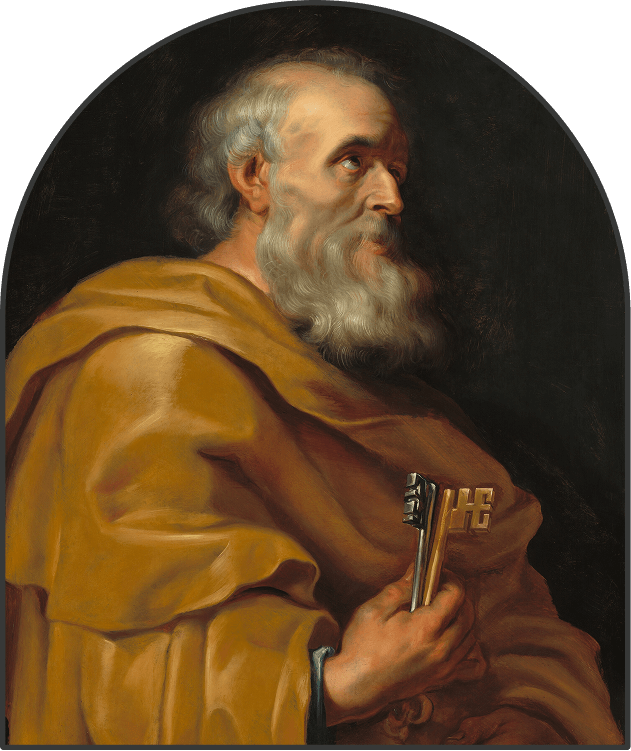
St. Francis of Assisi: A Life of Contemplative Prayer and Mystical Union with God

Introduction
St. Francis of Assisi (1181/1182-1226) became an icon for many Christians and continues to be regarded today as one of the greatest saints. This example highlights how Saint Francis’ life is a complete surrender to God through prayer, meditation, comment, and an unconditional obedience to the Gospel of Jesus Christ .
Even though Francis lived in the medieval period and not during the Early Church Fathers, he was heavily influenced by the contemplative traditions established by the Desert Fathers and by the many other early Christian mystics. The way that he approached meditation and contemplation has provided Christians looking to develop their relationship with God through prayer with tremendous insights.
Early Life and Conversion
Born Giovanni di Pietro di Bernardone in Assisi, Italy, Francis grew up as the son of a wealthy cloth merchant as well as a moderately wealthy family that had many business interests. The early life of Francis revolved around earthly pursuits, enjoying life, dreams of being a great knight, and so forth; however, God had different plans for this young man.
In order for Francis to have a conversion experience that would ultimately change him forever, he had multiple significant events take place in his life. During the time he became sick and was discharged from a military position, he began experiencing moments of awakening within his spirit. The defining moment in Francis’s spiritual awakening took place one day while he was praying before a crucifix at San Damiano (an abandoned church), when he heard the voice of Jesus say to him:
Francis, go and repair my house, which as you see is falling into ruin.
At that point, Francis believed he was to literally rebuild the abandoned church.
In the beginning, this was the way he interpreted that command; therefore, he sold part of his father’s cloth business in order to help rebuild the church. This act of obedience on his part, along with the disowning of him by his father, was what broke Francis from the bondage to wealth and social status. When he stood before his bishop, stripped of his wealth and worldly possessions, he made the statement that the only person he was dependent upon was his “Father in Heaven”.
Do not store up for yourselves treasures on earth, where moths and vermin destroy, and where thieves break in and steal. But store up for yourselves treasures in heaven
Matthew 6:19-20
Francis’s Approach to Contemplative Prayer
Living the Gospel Through Meditation
One of the core themes of Francis’ spiritual journey centers on the way in which he reflected upon and also embodied the example that Jesus laid down for mankind through his life, crucifixion, and poverty. Clearly, this is a contrast to the medieval-era approach to spirituality which was more in line with intellectual knowledge.
Francis wanted a belief in Jesus founded on an experiential, heartfelt experience. His meditation habits involved the following:
1. Meditating on Scripture: As stated earlier in regard to his systematic study of the Bible, this was integral to his process of transformation from the level of understanding the word of God intellectually as opposed to living as an incarnation of the written word of God.
But his delight is in the law of the LORD, and on his law he meditates day and night
Psalm 1:2
2. Contemplation in Nature: The knowledge of God and the fact that God created all things served as a reminder of God’s beauty and greatness. An example of this can be captured in his famous “Canticle of the Sun” where he recalls that all creation reveals the glory of God and gives him reason to praise God. Throughout his life, he spent many hours in solitude observing the creation of God and contemplating upon the many ways he could express his worship to God and express his heart through acts of love to others
For since the creation of the world God's invisible qualities—his eternal power and divine nature—have been clearly seen, being understood from what has been made
Romans 1:20
3. Continuous Prayer: Francis demonstrated the Church Fathers’ phrase, “prayer of the heart,” by consistently communicating with God throughout the day, through everything.
Pray without ceasing
1 Thessalonians 5:17, KJV
The Mystical Experiences of St. Francis
The Stigmata: A Mystical Union
Francis’s contemplative life ultimately resulted in a mystical union with Christ through many extraordinary mystical experiences. One of the most well-known examples was the stigmata. During intense prayer at Mount La Verna, Francis received Christ’s wounding wounds similar to Christ’s own body where he bore on the cross .
During this time of prayer and contemplation while reflecting on the sufferings of Jesus Christ, Francis, according to history saw a vision of a seraph (a six-winged angel) with the likeness of a crucified Jesus. After this mystical encounter, he began to manifest the light of Christ’s presence in the shape of man becoming transformed into Christ and began to be pierced with the stigmata through his hands, feet, and side.
The visible presence of Christ serves as a witness of the strong connection Francis had with Christ through the power of contemplation. It also demonstrates what St. Paul meant by
I have been crucified with Christ and I no longer live, but Christ lives in me
Galatians 2:20
Contemplative Solitude
Throughout the ministry of St. Francis he spent a great deal of time in solitude during his many periods of praying and contemplation. He would go to cave or mountain-hilltop areas as Christ spent the time in solitude:
Very early in the morning, while it was still dark, Jesus got up, left the house and went off to a solitary place, where he prayed
Mark 1:35
Francis did not go away to escape his ministry; he saw the power of the Holy Spirit through him as serving God through serving his neighbor through prayer. He believed that a strong relationship with God through prayer would permit God to use him in serving others
Francis’s Mystical Theology
Poverty as Spiritual Freedom
A main part of Francis’s contemplative way was to embrace radical poverty. He called poverty his “lady” and saw material detachment as essential for spiritual freedom and union with God.
Francis defines his desire for Spirit—to be free from entanglement and distractions in order to be totally devoted to God. As Jesus said:
No one can serve two masters. Either you will hate the one and love the other, or you will be devoted to the one and despise the other. You cannot serve both God and money
Matthew 6:24
Humility and Contemplation
Francis believed to truly contemplate Christ, he needed a deep sense of humility. For Francis, who defined himself as “the greatest of sinners,” all throughout his life he continually desired to rise to the lowest position before God. This humility brought forth a place to receive grace and revelation from God.
God opposes the proud but shows favor to the humble
(ames 4:6
Joy in the Lord
Francis is described as a joyful person, despite his extreme asceticism. He had the joy of God’s goodness shining throughout his heart, even in his poverty. As Paul teaches us:
The joy of the LORD is your strength
Nehemiah 8:10
The Franciscan Method of Meditation
Francis developed what we can call the “affective” method of meditation. An affective method of prayer includes feelings and emotions connected with the readings of the Gospels, as opposed to using only the mind to meditate on Scripture.
1. Imaginative Contemplation Francis used to imagine himself at different times through the writings found in the four gospels, he portrayed the birth, death, and resurrection of Christ. St. Francis has also been attributed as the creator of the first nativity scene as a tool of meditation.
2. Emotional Engagement He took on the emotions related to certain events written in Scripture—the joy associated with the birth of Christ, the grief associated with the suffering of Christ, and the thanksgiving associated with His sacrifice.
3. Responsive Action Once Francis would meditate on an event, the action of that meditation would genuinely flow from his life into the way he responded. His meditation on the poverty of Jesus brought him to embrace poverty; his meditation on God’s love for all His creation caused him to preach to the animals and serve lepers with love and compassion.
This approach reflects the biblical integration of heart, mind, and action:
Love the Lord your God with all your heart and with all your soul and with all your mind
Matthew 22:37
Francis and the Eucharist
Francis had a deep, mystical relationship with and devotion to the Eucharist as he perceived the Eucharist to be the deepest mystery of God’s presence in the world. Through meditation on the humility of Christ in the Incarnation, he drew closer in contemplation to the presence of Christ in the Eucharist. He spent a great deal of time in adoration in front of the consecrated elements. In faith, he could see that what he was expressing was true:
In this world I cannot see the Most High Son of God with my own eyes, except for His Most Holy Body and Blood.
His reverence and devotion to the Eucharist echo what has been taught in the past by the Apostle Paul:
For whenever you eat this bread and drink this cup, you proclaim the Lord's death until he comes
1 Corinthians 11:26
The Prayer of St. Francis
While the famous “Peace Prayer” commonly attributed to Francis was actually written centuries later, Francis did leave us prayers that reveal his contemplative heart. His “Praises of God” shows the fruit of his meditation:
You are holy, Lord, the only God, and Your deeds are wonderful. You are strong. You are great. You are the Most High. You are Almighty. You, Holy Father, are King of heaven and earth... You are love. You are wisdom. You are humility. You are endurance. You are rest. You are peace.
This direction of prayer is a contemplative way to extol the attributes of God, and this way of praying is found in the Psalms.
Francis’s Influence on Christian Contemplation
The Franciscan Tradition
Francis’s way of contemplating God in prayer has impacted countless Christians and has been a distinguishing factor in his established legacy of spirituality as a confused spirituality for many Christians who have been creating an Order for every Order in the world. There are elements in this background of Franciscan spirituality that connect to the Spiritual Life of God seen in the Word. These include the following:
- Simplicity and poverty of spirit
- Contemplation of Christ’s humanity
- Joy and gratitude in prayer
- Integration of action and contemplation
- Care for all of God’s creation
Bridge Between Monastic and Lay Spirituality
Francis made clear that the deep contemplative life of prayer does not have to be restricted to those who live their lives in monasteries. Although he started an order of religious life, he also started the “Third Order” for laypersons to find and develop their way of using contemplative devotion to God in their everyday life.
This democratization of the mystic’s spirituality is a reflection of the reality found in the New Testament, where it reads:
But you are a chosen people, a royal priesthood, a holy nation, God's special possession
1 Peter 2:9
Lessons for Contemporary Christian Meditation
The life of Francis provides us with some timeless wisdom for the Christian today seeking to deepen their prayer life by following the lessons he has laid out through his works and his life.
1. Simplicity Fosters Contemplation Having fewer material distractions creates a clearer opportunity for spiritual awareness, as Jesus said:
Seek first his kingdom and his righteousness, and all these things will be given to you as well
Matthew 6:33
2. Nature as a Gateway to Worship God uses His creation to reveal Himself to us and calls us to be contemplative about what He has done through His creative works.
3. Meditation Must Transform Action AThe authentic contemplative meditation of Christ will cause action that is similar to Jesus Christ.
Faith by itself, if it is not accompanied by action, is dead
James 2:17
4. Regular Solitude Is Essential We follow Christ’s example of retreating regularly from the hecticness of life to maintain our focused efforts and communion with God.
5. Joy Is the Fruit of Contemplation True meditation upon the character and deeds of God brings not sadness but joy to our hearts.
Francis’s Final Days: A Contemplative End
In his final years, Francis suffered an increase in physical pain and afflictions, including partial blindness and a great deal of pain related to the healing of his wounds from the stigmata. Regardless of how hard it was for him to endure all of these afflictions, it undoubtedly strengthened his union with the sufferings of Christ.
Francis requested to be placed on the bare ground prior to his death in 1226, as a physical manifestation of his complete surrender and humility toward the Lord. He requested that Psalm 142—the psalm that expresses complete trust in the fidelity of God—be read aloud to him before he died, and then he died while singing, with the love of God filling his heart and looking forward to the eternal joy he would soon know.
For to me, to live is Christ and to die is gain
Philippians 1:21
Conclusion
St. Francis of Assisi demonstrates the power and effectiveness of Christian contemplative practice when it is rooted in and grounded in the Word of God and directed toward Jesus Christ. Realizing that the goal of meditation is not to empty one’s mind or to achieve an altered state of consciousness, but rather to fill one’s mind with the presence of God as He has revealed Himself in Christ Jesus.
Francis reminds us that Christian meditation should:
- Be centered on Christ and Scripture
- Lead to transformation of character
- Produce joy and gratitude
- Result in love for God and others
- Integrate prayer and action
St. Francis’ stigmatic experiences provide insight into the depth of intimacy with God for those who pursue it with their whole heart but remind us that these experiences of Christ are secondary to the simplicity of continuing in obedience.
As we seek to practice Christian meditation today, Francis invites us to the same radical simplicity, the same wholehearted devotion, and the same contemplative awareness of God’s presence in all things. His life calls us back to the essence of the Gospel: knowing and loving Jesus Christ above all else.
I want to know Christ—yes, to know the power of his resurrection and participation in his sufferings, becoming like him in his death
Philippians 3:10
May the example of St. Francis inspire us to pursue Christ with abandon, to practice contemplative prayer with devotion, and to allow our meditation on God’s Word to transform us into the image of Christ for the glory of God.
Our Editorial Standards:
All our content on Christian meditation traditions, prayers, and spiritual practices is reviewed by Dr. Megan Remington, PhD, ensuring theological soundness and spiritual depth.
We draw from centuries of Christian contemplative tradition, citing respected theological sources, biblical references, and established spiritual practices.
Our team understands that spiritual struggles are deeply personal. We approach topics of anxiety, strength, healing, and peace with compassion and biblical wisdom.
We continuously review and update our spiritual resources to ensure they remain relevant and aligned with orthodox Christian teaching.
Each article clearly identifies our writers and reviewers, along with the theological sources and biblical foundations used.
 To guarantee that all of our information is accurate, we ensure that all our sources are reputable. That means every source is authenticated and verified to be backed only by medical science.