


 App Store
  Google Play
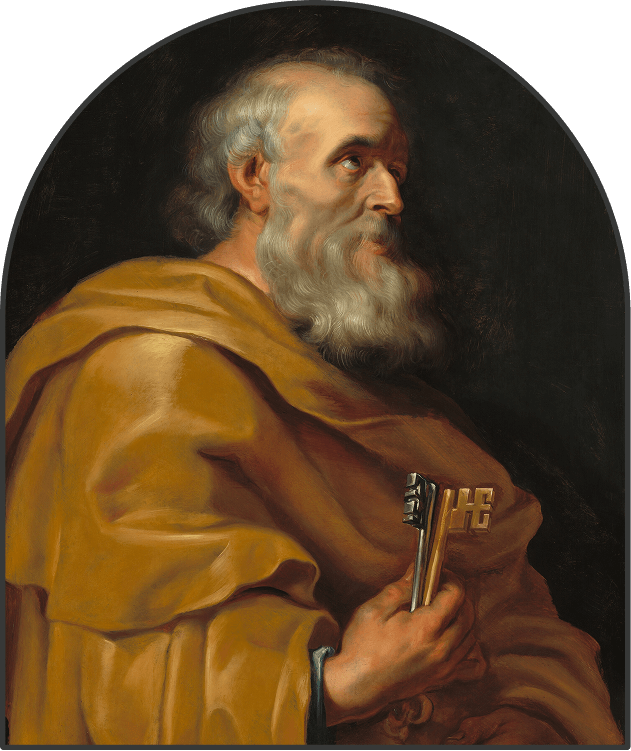
The Theologian Poet: St. Gregory of Nazianzus and the Mysticism of the Trinity

Introduction
Gregory of Nazianzus (329-390 AD) represents the most poetic and contemplative spirit of the Cappadocian Fathers who had a dramatic impact on a theological landscape during the 4th century in Christian history. He is often referred to with the title “the Theologian.” Only three other saints (John the Apostle, Gregory, and Symeon the New Theologian) have been given such an honor. St. Gregory of Nazianzus combined his insight into the Trinity with poetic lyricism and had a lifelong commitment to pursuing both doctrinally precise theology as well as a passionately devoted pursuit of God through personal mystical experience. Gregory’s life is a series of examples demonstrating the creative tension of solitude and an active ministerial life. The greatest expressions of his ministry are borne from this tension.
St. Gregory’s theology was not an academic pursuit but a product of the experience of God through the experience of contemplative prayer. Gregory wrote Theological Orations to defend the Church’s view against the Arian heresy. These writings arose from years of meditation on the double mystery of the success and majesty of God in his words and primarily from his contemplative experience of God in the practice of prayer. The poetic works of St. Gregory of Nazianzus consist of thousands of verses of prayerful longing for God, theologically articulate expressions of spiritual knowledge, and beautify the pain of pastoral concern. His poetry reflects a person’s continual turning toward God in prayer while expressing the fullness of his contemplative life.
Gregory’s contribution to Christian mysticism is unique from all because he believed that the act of doing theology whatsoever could only come after experiencing God through the contemplative practice of listening for God’s guidance. Gregory asserted that engaging in theological contemplation is to engage in a deep communion with God; therefore, doing theology without a “civil” relationship with God and/or doing so without humility toward Him would produce confusion regarding the meaning of theology as a whole. He demonstrated that using orthodox doctrine alone will not lead to a relationship with the Trinity, nor will mystical knowledge alone lead to a unique theological understanding. Orthodox doctrine will ultimately lead to an authentic life of worship; thus, authentic contemplation of God’s Word will result in a clear image of God.
The Reluctant Priest: Formation in Solitude
Gregory was born about 329 AD, in the region of Cappadocia (modern-day Turkey), in a deeply Christian family. His father, also named Gregory, served as the bishop of Nazianzus. His mother, Nonna, was known for her deep devotion. Both parents were converts to Christianity, and their home environment provided Gregory with his first teaching regarding passionate prayer and an intimate relationship with God’s Word. Tradition says that Gregory’s mother dedicated him to God’s Kingdom prior to his birth, and her prayers shaped the life of Gregory.
Gregory’s early years were marked by his extraordinary intelligence and sensitivity to the Holy Spirit. After receiving his education in Caesarea, he formed a close friendship with Basil of Caesarea (later to be known as St. Basil). In Athens, Gregory and his friends were privileged to study rhetoric and philosophy. His studies in Greece gave him a great deal of knowledge about Greek thought and also provided him with the tools to share the Christian faith throughout the early Church.
Gregory’s education in Athens provided him with many thoughts and feelings that were to adversely affect him in his later years. For instance, while he loved the study of knowledge, he became increasingly aware that the accumulation of academic knowledge could lead him to a false understanding of God’s nature and limit his ability to contemplate God as such. Gregory had a great deal of affection for all his friends and yet felt that many of his friendships were good but impeded him from turning his full attention toward God. He excelled as a speaker, yet he recognized that articulating the truth without an intimate relationship with the Holy Spirit was just an empty exercise. The strife between his worldly pursuits and his spiritual calling, the conflict between his active ministry and solitary contemplative spirituality, has characterized St. Gregory throughout his entire life.
In about 357, Gregory withdrew from what appeared to be a successful academic career in order to join Basil in prayer and contemplation in their mutual pursuit of becoming “brothers” in the Lord. This time spent in the company of Basil was significant to Gregory’s spiritual preparation for his future role as a Father of the Church and a theologian, through the continual practice of prayerful contemplation, asceticism, and study of God’s Word, specifically in regard to the Trinity.
Specific to these working conditions were:
Liturgical prayer. Praying the hours throughout day and night, beginning before dawn with vigils and continuing through fixed times of prayer that sanctified each portion of the day.
Scripture meditation. Slow, contemplative reading (lectio divina) of biblical texts, allowing God’s Word to sink deep into the heart and mind.
Manual labor. Work performed prayerfully, redeeming time for spiritual profit rather than wasting it in idleness.
Fasting and ascetic discipline. Moderating food, sleep, and comfort to cultivate spiritual attentiveness and freedom from bodily tyranny.
Theological study. Reading the Church Fathers (especially Origen, whose allegorical Scripture interpretation influenced both Gregory and Basil) and discussing theological questions.
Silence and solitude. Creating space for uninterrupted communion with God, learning to hear the “still small voice” (1 Kings 19:12) that speaks in silence.
These years in monasticism developed the theological and pastoral character of St. Gregory. His life experiences influenced his understanding of the necessity of being constantly prepared through the prayerful practice of listening for God’s guidance and allowing the Holy Spirit to provide wisdom.
In 361, St. Gregory was forced into a situation that disrupted his cherished solitude. His father’s desire to have Religious assistance in managing his diocese, led to the ordination of Gregory against his wishes. St. Gregory fled to a hidden location near Jericho. Soon after, Gregory wrote a letter explaining why he initially rejected the idea of ordination, but later accepted. In his letter to Gregory, he used it to glorify God by illustrating the need to prepare one’s heart through the practice of spiritual contemplation to prepare a person’s heart for their future role as a Pastor or Father of the Church.
The Dialectic: Contemplation and Action
Gregory had a lifelong internal conflict between becoming more of a hermit, and being a servant of the church. His love of solitude restricted his active service to the Church. While some considered saints to follow one extreme or the other in the battle of the flesh, Gregory continuously fluctuated between the two extremes, failing to find satisfaction in either’s service.
Gregory was drawn to the ideal of hesychia, which means ‘peace’ or ‘calm’, where he could devote himself completely to a life of prayer and meditation. He said:
I am a philosopher, not a man of affairs... my choice was made long ago, to withdraw from the turmoil of life and remain in peace.
However, when presented with responsibility, he would leave his quiet room to assist the Church when it was in crisis.
Upon reluctantly accepting the priesthood, Gregory worked beside his dying father, preached frequently, and maintained orthodox belief in his region. In 372, Basil, later to become Archbishop of Caesarea, voided their mutual desire for a life of contemplation by consecrating Gregory as the Bishop of Sasima, a small town of great strategic value. Gregory felt let down by Basil; he also viewed Basil as betraying their mutual desire to live in the way of a true contemplative. He had no desire to take the position, hence he continued to assist his father until Gregory’s death.
Gregory spent the years 375-379 among the monks of Seleucia; they were perhaps the most enjoyable of his life. He devoted these years to prayer and contemplation, reading, and writing. However, in 379, when Arianism had resided in Constantinople, orthodox Christians called out for Gregory to lead them. After much consideration before God, he accepted the position, believing it was God’s Will, despite his desires to flee the world and live in solitude.
Gregory’s time in Constantinople from 379 to 381 was characterized by much anxiety and grief. Theologically, he preached the Theological Orations to help establish a triune God, using the Council of Constantinople in 381 to confirm this doctrine. He also served very briefly as Archbishop of Constantinople. While politically involved, Gregory also endured personal attacks, the weight of the Church government, and official duties; all these factors ultimately contributed to his decision to resign from the Council and return to Nazianzus, and finally to his home at Arianzus where he finally completed his life in solitude.
The tension between action and contemplation in Gregory’s life should be viewed as a productive way to build one’s spirituality. Gregory’s theology and its defense were produced through the conflict. The Orations present the most authentic and meaningful expression of faith through contemplation, enduring hard times during ministry. His poetry shows a longing to be with God, while on the path of worldly affairs. His pastoral theology addresses the difficulties associated with ministry as he endured them in daily life.
Gregory has shown that some of God’s greatest saints may not resolve the dichotomy of action and contemplation, but rather through faith, lived out the conflict. In his life God called him to be both a contemplative monk and a servant of the Church. He struggled with this fact—yet learned to embrace both vocations in his life. His continuous suffering caused by this dichotomy became an offering to God; for he was willing to obey God’s call even when he had to be in a position of uncertainty regarding his vocation.
The Theological Orations: Prayer Becomes Doctrine
Perhaps, Gregory’s most noted achievement, the Theological Orations (Orations 27-31), speaks of mystical theology at its esoteric height. He defines in each of the Orations, which he delivered in 380 AD in Constantinople during the height of an intense theological crisis, his view of the divine mystery of the Trinity—three Persons with one Divine Essence—while refuting both Arianism and Pneumatomachianism, which denied the divinity of both Christ and the Holy Spirit, respectively. This was a new way of articulating God’s Trinity through a philosophical and mystical presentation.
What is so unique, is that theologians must pray, have moral purity, and experience God through contemplation before they can properly articulate their faith. Theology is the process of directly relating to the Creator through prayer and worship; therefore, those who use their intellect to relate to the Creator are not correct in their thinking.
Who May Theologize?
The First Oration specifically deals with the question of who has the right to speak about God’s mysteries. Gregory calls into question heretics’ presumption when they carelessly present such speculations, as well as those who fear the pursuit of Holy Theology due to their anti-intellectual mentality.
He writes:
Not to everyone, my friends, does it belong to philosophize about God; not to everyone—the Subject is not so cheap and low. It is no ordinary matter, but for those who have been tested and have found a sound footing in contemplation, and, to use a phrase which I have used before, who have made good progress in virtue and purity of life.
Gregory’s definition of a theologian sets a very high standard. To be a theologian requires the following:
Testing and examination. Theological speculation isn’t for beginners but for those whose faith has been tested, whose character has been proven.
Sound footing in contemplation. Right thinking about God flows from experiencing God in prayer. Contemplative practice precedes theological articulation.
Progress in virtue. Moral transformation qualifies one to speak of Holy God. As the beatitude promises, “Blessed are the pure in heart, for they shall see God” (Matthew 5:8)—and only those who see can accurately describe.
Purity of life. Sin clouds spiritual perception. Clean hands and pure heart (Psalm 24:4) are prerequisites for approaching divine mysteries.
On the appropriate times to engage in theological discourse, Gregory says:
When the moment is right... when external distractions have ceased... when the mind can rest free from confusion and misunderstandings.
Discerning God requires an undistracted mind, and recollection and peace to give clear spiritual insight.
Gregory’s teaching offers a challenge to how we currently approach theological discourse. Gregory insists that speaking of God carries a seriousness, and it is dangerous ground and requires spiritual preparation. It should not be thought of as an entertainment or intellectual game; rather, speaking of God requires respect, reverence, humility, and the highest moral integrity.
Though Gregory is not promoting elitist theology, he is simply describing a reality: just as one cannot see with unfit eyes, one cannot perceive God’s spiritual realities without a pure spiritual vision.
The Apophatic Foundation
In his Orations, Gregory affirms the incomprehensibility of God, the apophatic (negative) way as developed in later theological thought, which confirms the inability to describe God in positive terms without losing the essence of God’s truth; our language limps and our analogies fail to grasp God’s truth.
Gregory states:
It is difficult to conceive God, but to define Him in words is an impossibility... For it is impossible to express Him, and yet more impossible to conceive Him.
This is not an affirmation of agnosticism, but an acceptance of the infinite nature of God, as creator, in relationship to the finite, as creatures; God truly reveals Himself as God, not exhaustively, and therefore we can know God in His essence as God, without knowing God in His fullness.
Gregory gives examples from Scripture in support of his position. Moses asked to see God’s glory and was told,
You cannot see my face, for man shall not see me and live
Exodus 33:20
Isaiah saw God’s glory but only indirectly, through seraphim’s song and temple filled with smoke (Isaiah 6:1-4). Paul was “caught up to the third heaven” but heard “things that cannot be told, which man may not utter” (2 Corinthians 12:2-4).
Apophatic emphasis in the pursuit of contemplative spirituality calls us to develop:
Humility. Without ever fully understanding God, we have an understanding of God’s incomprehensibility as the highest intellectual knowledge of God. Humility keeps us from the pride of intellect.
Wonder. Acknowledging that God is infinite opens up the door for further searches for understanding of God. The more we learn, the more we are aware of what we don’t yet know.
Worship. Appropriate response to transcendent Mystery isn’t analysis but adoration, not explanation but praise. Like Moses at the burning bush, we remove our shoes (Exodus 3:5).
Proper theological method. We speak of God truly but inadequately. Our words point toward reality they cannot contain. Theological language is analogical—referring truly to God but never comprehending Him.
Protection from idolatry. When we define God too precisely, we risk creating mental idols—comfortable concepts unfaithful to reality. Apophatic theology reminds us that God infinitely exceeds our conceptual grasp.
Yet Gregory balances apophatic theology with cataphatic (affirmative) theology. We can say truly that God is good, wise, loving, powerful—Scripture reveals these attributes. But immediately we must add that divine goodness infinitely transcends human goodness, divine wisdom exceeds human wisdom infinitely. We speak truly but never adequately.
The Trinity: Mystery Contemplated
The foundation of Gregory’s Theological Orations is the Trinitarian understanding of God, namely that God consists of three separate but united persons sharing the same essence of God. Gregory asserts that the doctrine of the Trinity was not a product of philosophical discussions but a revelation of God and the church from the Scriptures; it is to be understood and accepted by the contemplation and reflective process of God’s self-revelation through the Scriptures.
In arguing against the Arians, who believed that Christ did not truly share in the essence of God, Gregory’s argument for the belief that Jesus the Son is truly God is based on Scripture, logical reasoning, and the process of Divine Contemplation. Gregory maintains that Jesus Christ is the eternal son of God sharing in the essence of the Father from the beginning. Jesus is “begotten, not made” —generated from the Father’s essence, not created from nothing. This generation is eternal, not temporal—there never was when the Son was not.
Gregory made similar arguments against the Pneumatomachians, who denied the divine essence of the Holy Spirit, again using the authority of Scripture, logical reasoning and the process of Divine Contemplation. Gregory’s argument states that the Holy Spirit proceeds from the Father and thus has the divine essence of God and should thus be equally worshiped and glorified as God by the church. As Scripture states, the Holy Spirit searches “even the depths of God” (1 Corinthians 2:10)—how could anyone search God’s depths without being divine?
However, Gregory reminds his readers that we should be humble in recognizing that while we know that the Trinity exists , we will never be able to fully comprehend it. How is it possible that the Son could have been “begotten” of the Father and the Spirit can “proceed” from the Father?
Gregory gives multiple examples of analogy—such as, the sun and its rays, a spring and its stream, Adam and Eve, and both generating Seth—but he admits that all of them ultimately fail. Because the Trinity is unique and eternal, it cannot be understood based on the analogies of God; each divine person shares absolutely the same divine essence, each person is fully God, and they do not exist as three separate gods; therefore, they are one God.
The clarity that Gregory provides from his understanding of the Trinity and his contemplation of the doctrine of the Trinity through prayer and the meditation upon the Scriptures for over 30 years demonstrates a clear expression of a life of prayer, not speculation as to how, but the results of prayer to God the Father through the Son, and to the offer of the Holy Spirit.
In this way, the doctrine of the Trinity articulates our actual experience of God through prayer. Christian mystical spirituality teaches us to pray to God through the authority of the Son, recognizing by the Holy Spirit that the three distinct persons constitute one God. The goal is not merely to solve the Trinity like a puzzle, but to participate in the mystery through faith. Entering into communion with these three divine persons is the true essence of Christian mystical spirituality.
Poetry: The Language of Contemplation
Gregory produced an enormous body of work (over 18,000 verses of poetry), including theological treatises in meter, spiritual autobiography, pastoral counsels, and personal laments. For Gregory, poetry wasn’t just decorative language but the best way to express mystical experiences and articulate God’s divine mysteries.
His works are wide-ranging, covering:
Theological doctrine. Verses explaining trinity, incarnation, creation, and other doctrines in memorable form. He believed truth expressed poetically penetrated hearts more deeply than prose arguments.
Spiritual autobiography. Poems recounting his struggles, doubts, sufferings, and joys. These provide a precious window into his personal life, showing the man behind the theology.
Contemplative longing. Verses expressing desire for God, love for Christ, hunger for solitude and prayer. These are mystical poetry in the truest sense—articulating the soul’s yearning for divine union.
Pastoral guidance. Counsel for Christians facing various situations—persecution, heresy, moral temptation, vocational questions.
Laments and protests. Honest expressions of suffering, frustration with ecclesiastical politics, grief over betrayals and disappointments.
On His Own Life
Gregory’s autobiographical poems reveal a remarkable level self-awareness and spiritual honesty. He doesn’t present an idealized saint but a struggling human seeking God amid real challenges.
He writes of his conflicted vocation:
Two ways of life I know: the contemplative, Supreme above all; and the active life, Though second, still divine. Both I have tried. Could I but dwell in one! But God has willed That I should serve both, torn between the two.
He laments his forced ordination:
My father's hands upon my head were laid, And I was snatched from meditation's calm To serve the restless multitude. How hard The yoke! How bitter the obedience! Yet Christ had borne a heavier cross than mine.
He expresses contemplative longing:
O blessed solitude! O sole beatitude! Where God is present, and the soul finds rest, Where wisdom speaks in silence, and the heart Communes with Wisdom's Self. This was my choice, This my true calling, torn from me by force.
Yet he also acknowledges God’s purposes:
Perhaps the Lord ordained these trials, That I should know both Mary's better part And Martha's faithful service. Both are His, Both please Him, each in their appointed time.
These poems reveal Gregory’s mystical theology emerging from lived experience. He’s not just theorizing about contemplation but yearning for it, not just teaching about God but crying out to Him, not just describing spiritual struggle but enduring it.
Hymns to the Trinity
Gregory wrote a number of hymns celebrating the Trinity’s glory, intended for liturgical use and private devotion. These combine theological precision with lyrical beauty:
Glory to the Father, Source of all, Unbegotten Fount from whom all being flows. Glory to the Son, begotten before time, Eternal Word through whom all things were made. Glory to the Spirit, proceeding from the Father, Sanctifying Fire who makes all things new. Three Persons, one in essence, power, and glory, One God, Trinity blessed, forever praised!
Gregory used these hymns to communicate the precise theological view of the Triune God, whilst also creating liturgical hymns of praise to God, and hope for those who are experiencing struggles in their faith.
Contemplative Longing
Gregory’s most touching works are those that were written to satisfy the pure desire of the contemplative for God, and to express the yearning of the soul for God.
My soul is faint with longing for Your face, O Light eternal, Wisdom's self, my God. When shall I see You as You truly are, No longer through dim glass but face to face? When shall this exile end, this separation? When shall I rest at last within Your presence?
This echoes the Psalmist:
As a deer pants for flowing streams, so pants my soul for you, O God
Psalm 42:1
Gregory’s eloquent verses amplify the longing of the simple believer for God, greater than the longing for earthly goods. In this poem, Gregory expressed the universal feeling of longing for God.
Another example of Gregory’s poems expresses a paradox of the contemplative:
The more I know You, Lord, the more I yearn To know You better still. The more I love, The more I long to love You perfectly. Each vision of Your beauty makes me crave A clearer sight. Each taste of Your sweetness Increases hunger that nothing else can fill.
These works portray that while someone may be completed through contemplation, the quest to know God more becomes even deeper as one plunges more into the depth of what there is yet to discover in God. Therefore, the “Beatific” experience is a constant quest for the contemplative to explore and to discover infinite beauty.
The Practice of Prayer: Gregory’s Contemplative Life
Although Gregory does not present a systematic treatise on prayer techniques, unlike other spiritual writers of the later period, we have enough written by Gregory to understand his own contemplative practice through his many references to prayer throughout his many writings, and from the autobiographical data contained in some of those writings.
Liturgical Foundation
As a bishop, Gregory held the office of Bishop on a regular basis, and regularly conducted Eucharistic worship. This was the most important act of Christianity—for Gregory, the Eucharist was the most important act of encounter with Christ, as it is the sacrament in which Christians participate in a mystical way in the sacrifice of Christ, receiving the Body and Blood of Christ, and experiencing a foretaste of the banquet of heaven.
Gregory also prayed the Hours—regularly at specific times during the day and night, which consisted primarily of Praying the Psalms, Reading Sacred Scriptures, and singing hymns. This structure created a rhythm of sanctified time which was to allow for the continual praying of the Hours.
Scripture Meditation
Gregory immersed himself in Sacred Scripture through lectio divina—the slow and contemplative reading of Sacred Scriptures, which ultimately leads to the development of a relationship with God through prayer, meditation, and contemplation. Gregory had committed large sections of Sacred Scripture to memory, especially the Psalms, the Gospels, and the writings of St. Paul, and in his sermons and writings we see how deeply Sacred Scripture influenced Gregory’s imagination; Gregory thought biblically, quoted from Sacred Scripture often, and discovered in the story of Sacred Scripture the framework for understanding his own life.
Gregory had a particular love for the Psalms because they reveal the full spectrum of human feelings before God—Praise and lament, confidence and doubt, joy and sorrow. The candid conversations of the Psalmist with God modeled to Gregory the way to pray authentically.
Contemplative Silence
Gregory also placed high value on silence, which he believed was a necessary precondition for hearing God speak. Gregory practiced long periods of silence during his retreat in the monastery, which provided an opportunity for God to be able to speak to him in the “still small voice” (1 Kings 19:12) often drowned by noise.
He wrote: “Silence is the beginning of purification.” This does not mean that he believed that one should not speak at all, but it means that silence was an important aspect of developing an interior stillness, which is necessary when one is engaged in any type of external activity, and allowing an individual to maintain a place of calmness from which true words can be spoken.
Silence serves a variety of spiritual purposes:
Listening. We cannot hear God while constantly talking. Silence creates receptivity.
Humility. Silence acknowledges we don’t have all answers, don’t need to fill every moment with our voice.
Discernment. In silence, we distinguish God’s voice from competing voices—ego, fear, desire, social pressure.
Rest. Silence provides sabbath for the soul, respite from constant stimulation and demand.
Preparation for speech. True words emerge from silence. As Ecclesiastes teaches, there is “a time to keep silence, and a time to speak” (Ecclesiastes 3:7).
Tears: The Gift of Compunction
Gregory was a proponent of what is often referred to in the Eastern spiritual tradition as “the gift of tears,” which is often a type of weeping in prayer. The “gift of tears” represents true contrition or sorrow for one’s sins, an expression of one’s desire for God, and the sadness one feels when he/she contemplates how lost one’s soul is.
Gregory himself often experienced tears in prayer, especially when contemplating the suffering of Christ or the rebellion of man against God. Many of his writings and poems refer to tears, sometimes referring to the tears of others who were repentants, at other times, to his own.
Scripture honors tears in prayer; for instance, one of the Psalmists wrote,
I drench my couch with my weeping; I flood my bed with my tears
Psalm 6:6
Jesus wept over Jerusalem (Luke 19:41) and at Lazarus’s tomb (John 11:35). Paul served “with all humility and with tears” (Acts 20:19).
Tears can reveal several spiritual truths:
Contrition. Sorrow for sin, awareness of offending holy God, recognition of need for mercy.
Compunction. The “piercing” of the heart by divine truth, conviction that wounds but heals.
Longing. Desire for God that overflows in tears because words prove inadequate.
Compassion. Grief over others’ suffering, sharing in Christ’s own sorrow over human brokenness.
Joy. Sometimes tears flow from overwhelming gratitude or spiritual consolation, not sadness.
Gregory believed that tears are a gift from God to be accepted with joyful hearts, not an emotion one tries to achieve artificially. Rather, Gregory believed that God has assigned the time when He will bestow on the faithful the “gift of tears.”
Ascetic Discipline
Gregory practiced moderate asceticism—fasting, limiting sleep, controlling sensual pleasures, embracing voluntary poverty. These disciplines weren’t punishment but training, much like an athlete’s regimen preparing for competition (1 Corinthians 9:24-27).
He wrote:
The body must be tamed, but not destroyed.
His balanced approach of asceticism rejected both the extremes of self-indulgence and harsh treatment of the body. The body is good because God created it and is destined for resurrection, because he redeemed it; however, the body must be disciplined because of its fallen nature, which tends toward disorder.
Fasting particularly served contemplative life. By moderating food, Gregory created physical hunger that symbolized and intensified spiritual hunger for God. An empty stomach reminded him of the heart’s emptiness apart from God, physical deprivation highlighted the soul’s deeper need.
Jesus taught both by example (fasting 40 days, Matthew 4:2) and instruction (Matthew 6:16-18) that fasting pleases God when done rightly—not for human recognition but as offering to God. Gregory followed this teaching, fasting regularly according to traditional Christian practice.
Contemplation of Christ: The Incarnate Word
Since the very beginning of Gregory’s life, the contemplation of the incarnation of Jesus Christ becoming flesh has been central to the development of his mysticism. Through this contemplation, Gregory saw tremendous beauty and insight into the deep meaning of the incarnation over the entire course of his life. Gregory believed that Christ is to be completely human to heal the totality of human beings. “What is not assumed is not healed,” Gregory frequently described. Everything that is redeemed through Jesus Christ’s life and vocation is united to God through the nature of the incarnation, Jesus Christ being both fully God and fully man.
The impact of the incarnation on the development of mystical, contemplative spirituality is profound. God can only be fully met through the human experience of Jesus Christ in contemplative spirituality; there is no alternative method of approaching God other than through the physical body of Jesus Christ. Therefore, to contemplate a person’s face in a prayerful way is to contemplate the physical body of Jesus Christ. Real wounds caused by physical suffering in the life of Jesus are real wounds that God suffered; the love we have for God comes through his human heart made manifest in Jesus Christ.
Gregory wrote/prayed beautiful meditations on each moment of the life of Jesus Christ, each meditation providing a source of contemplation on his life, in addition to those listed above.
The Nativity: God’s Humility
Gregory preached eloquently on Christmas, contemplating the mystery of Creator becoming creature, Eternal entering time, Infinite becoming infant:
He who gives breath to all draws human breath. The Word through whom all things were made Cannot yet speak. He who sits enthroned above Lies cradled in a manger. He whom angels serve Nurses at His mother's breast. Incomprehensible humility! Unfathomable love! God becomes what we are That we might become what He is.
This contemplation reveals divine love’s character—not distant or domineering but self-emptying, descending, embracing human weakness to heal it from within. Paul’s teaching that Christ “emptied himself, by taking the form of a servant” (Philippians 2:7) becomes for Gregory an endless source of wonder.
Meditating on Nativity produces humility in contemplative. If God embraced human lowliness, how can we cling to pride? If the Eternal became temporal for our sake, how can we refuse serving others? Incarnation reveals both who God is (self-giving Love) and who we should be (humble servants).
The Passion: Love unto Death
Gregory contemplated extensively on the suffering of Jesus and his death on the cross as being the ultimate revelation of God’s unconditional love for humanity and the redemptive power of God’s love to heal and restore humanity. Thus, Gregory prayed and contemplated on each stage of the life of Jesus leading to the cross, the betrayal of Jesus, his arrest, trial, scourging, crowning with thorns, carrying the cross to his death, and finally to his death on the cross.
Gregory wrote:
The Cross is God's wisdom and God's power. What the world considers foolish—God dying for sinners—is actually supreme wisdom. What the world considers weak—divine love that refuses to overcome by force—is actually supreme power.
This reflects Paul’s teaching:
The word of the cross is folly to those who are perishing, but to us who are being saved it is the power of God
1 Corinthians 1:18
Gregory understood that the Cross must be contemplated, not just believed intellectually. Gazing upon crucified Christ transforms the gazer.
Gregory particularly meditated upon the final words of Jesus from the cross. Each saying— “Father, forgive them” (Luke 23:34), “Today you will be with me in paradise” (Luke 23:43), “Woman, behold your son” (John 19:26), “My God, my God, why have you forsaken me?” (Matthew 27:46), “I thirst” (John 19:28), “It is finished” (John 19:30), “Father, into your hands I commit my spirit” (Luke 23:46)—provides inexhaustible contemplative content.
Through this contemplation, we are to see the character of Jesus under the greatest of all pressures. Jesus forgave his enemies while he suffered, promised paradise, cared for his mother, experienced abandonment, acknowledged his need, declared victory, and entrusted himself to the Father. Each word becomes an invitation for us to gaze into the heart of God.
The Resurrection: Victory and Hope
Gregory celebrates the resurrection of Jesus as a confirmation of his divine nature, and assurance of the promise of the resurrection of all believers. Through contemplation, Gregory saw the empty tomb of Jesus, the appearances of Jesus to his disciples, the encounter of Thomas, the ascension and the promise of Jesus’ return.
He wrote:
Christ is risen, and the demons tremble! Christ is risen, and death is no more! Christ is risen, and life reigns! Christ is risen, and none remain in tombs! For Christ, rising from the dead, has become the firstfruits of those who have fallen asleep.
This echoes Paul’s triumphant proclamation:
Christ has been raised from the dead, the firstfruits of those who have fallen asleep
1 Corinthians 15:20
Gregory understood that Christian contemplation is always paschal—we meditate not just on Christ’s death but on death-and-resurrection as unified mystery.
In the view of Gregory, the resurrection of Jesus is a source of hope for people who have endured suffering in their lives. Contemplating risen Christ enables enduring present difficulties peacefully, knowing that “this light momentary affliction is preparing for us an eternal weight of glory beyond all comparison” (2 Corinthians 4:17). The contemplative whose eyes see resurrection doesn’t despair over present darkness.
The Divine Darkness: Apophatic Contemplation
St. Gregory taught that the ultimate realization of God’s divine nature is the experience of apophatic contemplation, or becoming one with God in the divine darkness, beyond the limits of our minds, images, and concepts, in non-verbal and non-sense experiences of His incomprehensibility.
This teaching is based on both the life and experience of Moses at Mt. Sinai. where Moses initially encountered God in the burning bush and heard his voice (Exodus 3). Later he entered “the thick darkness where God was” (Exodus 20:21). Finally he asked to see God’s glory but could only see God’s “back” after God passed by (Exodus 33:18-23). This progression in how Moses encountered God exemplified Gregory’s view that one’s relationship with God starts from the lower order of the senses and moves toward the darker and more sublime order of the intellect, to glimpses of God’s glory through the divine contemplation of the mind.
Gregory wrote:
The true vision and knowledge of what we seek consists precisely in not seeing, in an awareness that our goal transcends all knowledge and is everywhere cut off from us by the darkness of incomprehensibility.
While this reflection appears to be a paradoxical statement—that not seeing God represents true vision?—Gregory is expressing the deep and profound truth that one’s relationship with God involves being aware that the true nature of God is incomprehensible to the mind. In other words, when we encounter God, we recognize that what we see in him is infinitely beyond our human experience; we perceive his divine glory from the darkness of our minds, and thus our human minds cannot relate to or appreciate his glory.
The apophatic experience of the divine darkness involves:
Letting go of concepts. Moving beyond thinking about God to resting in God’s incomprehensible presence.
Embracing unknowing. Accepting that God infinitely exceeds our categories, that divine mystery can’t be captured conceptually.
Wordless prayer. Moving from many words to few words to silence before divine mystery.
Darkness as light. Recognizing that what seems “dark” (incomprehensible) is actually excess of divine light, too bright for created eyes to bear directly.
Humble awareness. Standing before Mystery with awareness that nothing we say or think adequately captures Reality we’re encountering.
While Gregory teaches about the apophatic experience of the divine darkness, he also recognizes that the experience of God can and must be expressed in language using the names and attributes God has revealed to us in Scripture. However, while our expressions of God in language are true, we must also acknowledge the infinite incompleteness of those expressions — in other words, it is only through experience that we can know that God is good, wise, and loving. However, God has an infinite goodness more than we can ever express, therefore we can never fully experience him through the words we use to describe him. This prevents the presumption of knowing God completely, and also prevents despair from feeling that we cannot know God.
Spiritual Friendship: The Mystery of Communion
Gregory teaches us that while the apophatic experience can involve pain and disappointment, the experience of God in a true and complete relationship is realized in human relationships that help guide and direct us in our walk with God. The relationship between Gregory and Basil of Caesarea demonstrates this.
Gregory wrote eloquently of their bond:
We seemed to be two bodies with a single spirit. Neither of us would concede that the other was not the first. We were a rule and standard to one another... Our only rivalry was in virtue, our one ambition to live for the world to come.
This friendship reflected biblical models—David and Jonathan (1 Samuel 18-20), Jesus and the beloved disciple (John 13:23). It wasn’t mere emotional attachment but spiritual communion oriented toward God. They encouraged each other’s contemplative practice, challenged each other theologically, supported each other’s ministry.
But like all good friendships, their relationship experienced some trials and tribulations. When Gregory was appointed bishop of Sasima by Basil, it felt like a betrayal to him, and damaged their trust in one another. The political and ecclesiastical atmosphere of the time also created an increasing separation between them. When Basil died in 379, Gregory grieved deeply, writing a moving funeral oration to honor their friendship, while also lamenting its end.
Gregory’s experience of friendship demonstrates how spiritual friendships also involve pain and loss. While spiritual friendship provides the potential for closer communion with God and each other, this potential must still be fulfilled through shared experiences of pain and loss. For this reason, spiritual friendships remain a part of the overall experience of the Christian walk through life.
Gregory’s experience of companionship during his journey in the growth of his spiritual maturity provides a model for contemplation, and demonstrates how contemplation is enhanced when we are able to spend time together in prayer, share in theological discussions about God, and share in the mutual encouragement of one another.
Two are better than one... For if they fall, one will lift up his fellow
Ecclesiastes 4:9-10
Pastoral Mysticism: Shepherding from Prayer
Gregory’s understanding of pastoral ministry is deeply rooted in his contemplative spirituality. He viewed bishops and priests as not only being spiritual administrators of a church, but also as spiritual fathers, whose primary qualifications are prayer and holiness.
In his prefatory letter to the treatise he wrote defending his withdrawal from being ordained, Gregory outlined the qualifications of a priest:
Purity of life. The priest represents Christ to people and people to God. This demands moral integrity, freedom from scandal, exemplary virtue.
Spiritual maturity. Ordination shouldn’t come to novices but to those tested and proven, whose faith has been refined through trials.
Theological knowledge. Shepherds must know the faith well enough to teach truth and refute error. This requires serious study and contemplative wisdom.
Contemplative depth. Effective ministry flows from prayer. The priest must commune with God before speaking for God.
Pastoral love. Genuine concern for souls’ salvation, willingness to sacrifice for the flock, patience with weakness.
Discernment. Wisdom to guide different people appropriately—some need comfort, others correction; some require milk, others solid food.
Gregory insisted that clergy’s primary work is prayer and teaching, not administration. He wrote:
One who has not first been purified should not presume to purify others. One must first become light and then give light, first draw near to God and then bring others near.
This challenges contemporary clericalism that values management skills over contemplative depth. Gregory would insist that a pastor who doesn’t pray deeply cannot lead others into prayer, that a preacher who doesn’t encounter God in Scripture cannot help others encounter Him.
His own pastoral approach combined theological precision with pastoral sensitivity. He could articulate complex doctrine clearly while adapting teaching to hearers’ capacity. He could correct errors firmly while treating those who made them with compassion. He combined the prophet’s boldness with the shepherd’s tenderness.
Gregory also experienced the burdens and pressure of the pastoral ministry. He found the constant bickering, fighting, political turmoil, and ridicule to be extremely taxing. His honest acknowledgment of these limitations offers an opportunity for encouragement to other pastors who are experiencing similar challenges in their ministry; even great saints experienced difficulties in being a pastor.
The Transfiguration: Mystical Vision
The story of the Transfiguration (Matthew 17:1-8), is an inspiring message of the hope of mysticism that Gregory believed was also present. The Transfiguration gives us a wonderful insight into many aspects of our faith, and sheds light on the nature of the mystical person and how they live their lives in faith.
Christ’s divinity. The glory radiating from Him wasn’t external addition but manifestation of divinity dwelling bodily within His humanity. The divine light always shone there, but usually veiled; at Transfiguration, the veil temporarily lifted.
The goal of contemplation. Peter, James, and John experienced what all contemplatives seek—vision of divine glory. Though brief and incomplete, it foreshadowed the beatific vision awaiting all believers.
Law and Prophets fulfilled. Moses (representing Law) and Elijah (representing Prophets) appearing with Jesus demonstrated that He fulfills Old Testament revelation. Christian contemplation engages whole biblical witness.
Participation in divine nature. Christ’s human body glorified showed what awaits all believers. “We shall be like him, because we shall see him as he is” (1 John 3:2). Our bodies will be transfigured, radiating divine glory.
Paschal mystery foreshadowed. The discussion about Jesus’s coming “departure” in Jerusalem (Luke 9:31) linked Transfiguration to Passion. Glory comes through Cross; resurrection follows crucifixion. Contemplation must embrace both.
Gregory saw Transfiguration as window into spiritual life’s goal. The disciples glimpsed what contemplatives seek—direct encounter with divine glory. Though we cannot sustain such vision in this life (Peter wanted to stay on the mountain, but they had to descend), it remains our destiny.
He also noted that Transfiguration occurred during prayer (Luke 9:28-29). This teaches that contemplation can yield transfiguring glimpses of divine glory. As we pray, occasionally God lifts the veil, granting brief vision that sustains faith through ordinary times when glory remains hidden.
Suffering: The Crucible of Contemplation
In his life Gregory continues to face suffering and struggles. Because of suffering, he has been able to find meaning in his contemplative Christian theology.
Gregory writes honestly about his suffering:
I have been torn between two ways of life. I have been forced to serve when I longed to withdraw. I have been misunderstood, slandered, opposed. My body fails; my strength wanes. Yet in all this, Christ sustains me.
This honesty about suffering makes Gregory accessible. He doesn’t present idealized spirituality immune to pain but authentic struggle where faith persists despite difficulties. He models how contemplation doesn’t eliminate suffering but transforms its meaning.
From studying the suffering of Gregory, we can learn valuable lessons regarding suffering as it relates to developing a contemplative life:
Suffering purifies. Like gold refined in fire (1 Peter 1:7), souls are purified through trials. Suffering strips away false securities, reveals character’s true nature, clarifies priorities.
Suffering conforms to Christ. Paul desired to “share his sufferings, becoming like him in his death” (Philippians 3:10). Gregory experienced this—his sufferings united him to Christ’s Cross, making him participant in redemptive work.
Suffering teaches dependence. In strength we rely on ourselves; in weakness we learn dependence on God. Paul heard,
My grace is sufficient for you, for my power is made perfect in weakness
2 Corinthians 12:9
Gregory discovered this truth personally.
Suffering prepares for glory. Paul taught that “present sufferings are not worth comparing with the glory that will be revealed” (Romans 8:18). Gregory found hope in this promise—present pain produces eternal glory beyond imagination.
Suffering serves others. Paul wrote of “the God of all comfort, who comforts us in all our affliction, so that we may be able to comfort those who are in any affliction” (2 Corinthians 1:3-4). Gregory’s suffering equipped him to comfort others.
Gregory did not promote a romanticized view of suffering nor did he describe suffering as a pleasurable experience. Rather, he has been honest in describing his frustrations and feelings of despair that result from his sufferings; still through those difficult periods, Gregory was able to remain faithful to God and God’s plan for his life. Because Gregory’s view and the validity he placed on the experience of suffering are practical, they are thus encouraging for others who are facing similar struggles to persevere.
Final Years: Return to Contemplation
Upon quitting his position as the Archbishop of Constantinople in 381, Gregory was able to spend his final years on his family’s estate at Arianzus, living the contemplative life he had long desired. His time from 381-390 was very productive and during this time, he wrote many theological works, wrote poetry, exchanged letters with friends, and counseled bishops that sought his guidance.
At the core of all of these pursuits was Gregory’s life of prayer. He finally was free from the burdens of administrating an archdiocese and the political conflicts associated with it, so he was able to completely turn himself over to God and his life of contemplation. In his last poems, he felt a sense of peace in returning to a life of contemplation and, also, a sense of recognition of his impending death.
In one of Gregory’s poems, he writes,
My race is nearly run, my course complete. Soon I shall see, no longer through dim glass, but face to face. Soon I shall know, even as I am known. Come quickly, Lord. My soul awaits Your coming.
These statements of Gregory’s reflect St. Paul’s writing:
For now we see in a mirror dimly, but then face to face. Now I know in part; then I shall know fully, even as I have been fully known
1 Corinthians 13:12
Gregory was looking forward to having the Beatific Vision, which is to see God face to face—the fulfillment of life.
Gregory’s reflections on his life also indicate that he was questioning whether the role he had played in the church was a result of failure or divine calling. He felt that he had not been true to his calling of contemplation, or questioned whether he had fulfilled God’s plans for him. Ultimately, he concluded that through his struggles, God had used him for His kingdom plan.
Gregory died peacefully around 390. The peace he found at the end of his life came from years of developing a contemplative lifestyle and the daily dying to oneself and detachment from worldly possessions. Death was not a terror for him; rather, it was a transition from dimness to clarity, and from creating the faint image of God to seeing Him in perfect focus.
Legacy: The Contemplative Theologian
St. Gregory of Nazianzus was a monumental figure in the Church, and left behind an immense amount of value to the Church through:
Trinitarian theology. His Theological Orations present an utterly balanced viewpoint on the Trinitarian faith of the Church. He succeeded in maintaining a balance between the apophatic and cataphatic theological schools of thought while maintaining a degree of both mystery and clarity.
Mystical poetry. The most profound aspect of Gregory’s thousands of poem verses is that he captured the longing of contemplation artfully and beautifully, demonstrating that one can create beautiful art in poetry while being profoundly serious in their theological understanding.
Integration of contemplation and theology. Gregory demonstrated that theology is not a diametrically opposed activity to contemplative prayer, but rather it flows from the union of the two.
Honest spiritual autobiography. His willingness to share his struggles and doubts renders him real and accessible, demonstrating that a holy life does not denote the absence of difficulties, but the perseverance to overcome such difficulties.
Model of pastoral mysticism. St. Gregory wrote that the minister’s prayer flows from contemplative depth, and the spiritual leader should be defined as a person of prayer rather than a person of administration.
Appreciation for beauty. Beauty can be found and embraced through beauty of art and beauty of experience in aesthetic beauty through rhetoric, poetry, and the canons of classicism.
The apophatic tradition. His emphasis on divine incomprehensibility and entering into the darkness beyond words and concepts has made a lasting impact on Eastern Christianity mysticism.
Conclusion: Prayer Becomes Theology
St. Gregory of Nazianzus invites contemporary Christianity into the richness of a mystical life of contemplation. By using the intellect with devotion, valuing precision of doctrine as an outcome of prayer and using God’s communication as a tool for enriching one’s experience of God, St. Gregory provides an example for contemplation and theology, leading to a maturity of faith.
St. Gregory of Nazianzus models the type of ministry that flows from a life of prayer. Effective shepherding of those entrusted to you by God requires that a pastor must experience God through contemplative prayer, and this spiritual experience must be communicated through theological language.
For those drawn to contemplation, Gregory provides theological framework and poetic expression. His apophatic teaching guides into silence beyond words. His trinitarian theology enriches prayer by clarifying who we pray to. His Christological focus centers contemplation on Incarnate Word.
For those engaged in theology, Gregory shows that doctrinal precision emerges from prayer. One cannot theologize rightly without contemplating deeply. The Trinity isn’t puzzle to solve but mystery to worship. Theology’s goal isn’t intellectual mastery but deeper communion.
For pastors, Gregory models ministry rooted in prayer. Effective shepherding flows from contemplative depth. The pastor who doesn’t encounter God regularly cannot lead others to Him. Administrative skills matter less than spiritual maturity.
The glory of God is man fully alive, and the life of man is the vision of God.
Though this is Irenaeus’s phrase, it captures Gregory’s vision too. We become fully human through contemplating divine glory. We live truly by seeing God—however dimly now, but one day face to face.
May St. Gregory inspire us in our quest to attain an authentic relationship with God through prayer. May we learn from Gregory that true contemplation yields theological clarity and that the ultimate goal of all doctrine is communion with the Father, through the Son, in the Holy Spirit—blessed Trinity, forever and ever.
Not to everyone does it belong to philosophize about God... but to those who have been tested and have found a sound footing in contemplation, and who have made good progress in virtue.
St. Gregory of Nazianzus
Our Editorial Standards:
All our content on Christian meditation traditions, prayers, and spiritual practices is reviewed by Dr. Megan Remington, PhD, ensuring theological soundness and spiritual depth.
We draw from centuries of Christian contemplative tradition, citing respected theological sources, biblical references, and established spiritual practices.
Our team understands that spiritual struggles are deeply personal. We approach topics of anxiety, strength, healing, and peace with compassion and biblical wisdom.
We continuously review and update our spiritual resources to ensure they remain relevant and aligned with orthodox Christian teaching.
Each article clearly identifies our writers and reviewers, along with the theological sources and biblical foundations used.
 To guarantee that all of our information is accurate, we ensure that all our sources are reputable. That means every source is authenticated and verified to be backed only by medical science.