


 App Store
  Google Play
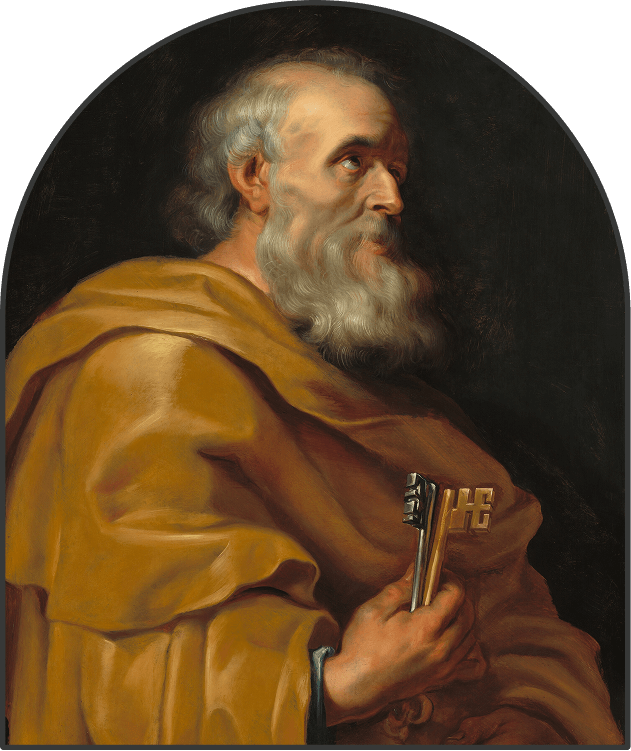
The Prayer and Contemplative Wisdom of St. Hilary of Poitiers

Introduction
St. Hilary of Poitiers (c. 310-367 AD), honored as the “Athanasius of the West,” stands as one of early Christianity’s most profound theological minds and passionate defenders of Trinitarian orthodoxy. Yet beneath his rigorous intellectual defense of the faith beat the heart of a devoted contemplative—a soul that discovered God through philosophical seeking, encountered Christ through mystical illumination, and spent years meditating on the mystery of the Trinity. His journey from pagan philosopher to exiled bishop reveals a man whose theological brilliance flowed from deep prayer, whose doctrinal precision emerged from contemplative encounter, and whose fierce defense of truth sprang from intimate knowledge of the Truth himself.
The Philosopher’s Search for God
St. Hilary of Poitiers was born in an affluent pagan family in Gaul around 310-367 AD and studied with the best classical scholars that existed at that time. He was a philosopher who was raised by a wealthy family in Gaul (modern-day France) and enjoyed the most advanced classical education of the time. Like other philosophers, St. Hilary’s training would eventually serve as the basis for Christian faith. He studied logic and gained some insight through philosophy; however, like many philosophers before him, he was unable to fully satisfy himself with human wisdom alone.
St. Hilary expresses a deep longing within himself for God in his writings. He studied various philosophies and found some partial understanding of both human existence and God but was never able to completely satisfy himself with just one philosophy or one answer. He echoed the words of the Psalmist:
As the deer pants for streams of water, so my soul pants for you, my God.
Psalm 42:1
Hilary’s contemplative seeking focused on fundamental questions: What is the purpose of human existence? Is there life beyond death? How should one live justly? What is the nature of ultimate reality? Philosophy offered theories but no certainty, speculation but no revelation, wisdom but no salvation.
This intellectual and spiritual hunger prepared his soul for an encounter with Scripture. When he finally read the Bible—particularly the Gospel of John—he experienced what he later described as illumination. The Word became a living presence, philosophical abstractions transformed into personal relationships, and truth revealed itself as a Person: Jesus Christ.
Mystical Encounter with Scripture
Hilary’s conversion came through contemplative reading of Scripture, especially John’s Gospel. He meditated on the opening verses:
In the beginning was the Word, and the Word was with God, and the Word was God. He was with God in the beginning. Through him all things were made; without him nothing was made that has been made.
John 1:1-3
The “Logos” identified in John’s prologue fulfilled the philosophers’ search. God, the Logos, had become flesh. The Word of God had become the personal mediator between God and humankind, the source of all created things, the light illuminating every person.
In addition to his understanding of the Logos, St. Hilary had experienced something even more than personal understanding. He had undergone a change in spiritual being. When reading and contemplating Scriptures, St. Hilary was not simply acquiring knowledge; rather, he was actually coming into a living relationship with the person of Jesus. Through the contemplation of John’s prologue, he saw God’s glory in history:
He meditated on John 1:14: “The Word became flesh and made his dwelling among us. We have seen his glory, the glory of the one and only Son, who came from the Father, full of grace and truth.” This verse captured what philosophy couldn’t provide—God revealing himself in history, entering human experience, making himself known personally rather than remaining abstract principle.
From this point on, all of St. Hilary’s prayers were focused upon and centered on the Scriptures. He devoted himself to reading and contemplating the Scriptures, primarily the Psalms and Paul’s Epistles. His practice for the future will be referred to as lectio divina, which is a deep reading of the Bible, and progresses through stages of reading, meditation, prayer, and contemplation.
Contemplation of the Trinity
After Hilary’s conversion, he focused on the Trinity, the doctrine of God as three persons in one essence. He expressed this central belief in his seminal work, “De Trinitate” (Of the Trinity), which was a result of many hours of dedicated prayer and meditation on the nature of God as both one and three, the Father, Son, and Spirit—separate but perfectly united.
He began his journey to understand the Trinity by acknowledging his limitations and recognizing that the depths of the divine mystery are not comprehensible by mortals. He reflected on what the Apostle Paul had written:
Oh, the depth of the riches of the wisdom and knowledge of God! How unsearchable his judgments, and his paths beyond tracing out! 'Who has known the mind of the Lord? Or who has been his counselor.
Romans 11:33-34
At the same time, Hilary believed that God would reveal himself to those who sincerely seek him. Jesus said: “Ask and it will be given to you; seek and you will find; knock and the door will be opened to you” (Matthew 7:7). For many years, Hilary asked, sought, and knocked through a process of contemplative prayer and theological study, trusting in the Holy Spirit to guide him to the truth (John 16:13).
Hilary’s contemplation of the Trinity was based upon the witness of the Scriptures to each person of the Trinity, and did not impose an outside philosophical framework; rather, he discerned the pattern of the Trinity based on the revelation of God to himself. He contemplated the event of Jesus’ baptism, in which all three persons of the Trinity were present (Matthew 3:16-17); the apostolic blessing which invoked the name of the Father, Son, and Holy Spirit (2 Corinthians 13:14); and the command of Jesus to baptize in the name of the Father, Son, and Holy Spirit (Matthew 28:19).
As Hilary contemplated these events, he came to understand that the Trinity is not merely a mathematical puzzle to be solved, but rather the reality of love and communion among three persons, from one another, who desire for all people to participate in it. When believers pray, they join the Son’s eternal conversation with the Father through the unity of the Holy Spirit.
Prayer During Exile
Hilary was exiled by Emperor Constantius II to Phrygia (modern Turkey) around 356 AD because he refused to accept the Arian view of the fullness of Christ’s divinity. Hilary’s exile, which separated him from his diocese of Poitiers, could have left him with feelings of anger and bitterness, but instead it became an opportunity for him to grow into greater depth of spirituality.
Hilary’s exile was a fulfillment of the biblical pattern; like Joseph in Egypt, Moses in Midian, Elijah in the wilderness, and John on Patmos, this forced separation led to a divine encounter and preparation for his future ministry. The forced separation of Hilary from his diocese of Poitiers resulted in the writing of many of his most significant works, including De Trinitate, all of which he produced in prayerful contemplation during his time of exile. Exile provided Hilary with a unique opportunity for lengthy meditation, study, and communion with God, apart from the responsibilities of his ordinary episcopal duties.
Through the experience of exile, Hilary was able to pray through the theology of the suffering of Christ by meditating on Christ’s suffering at the cross in response to the crucifixion of Jesus. Hilary viewed Jesus, as he looked back at the cross, and saw that: “He came to that which was his own, but his own did not receive him” (John 1:11). Hilary felt connected to Christ’s ultimate exile, being cast out from his own home.
During his time of exile, Hilary made intercessory prayers for the Church, which was divided over the Arian controversy, prayers for orthodox believers being persecuted, and prayers for heretics deceived by false teaching. He combined his strong theological differences with compassion for people in pastoral care, always loving people even while defending the absolute truth.
Meditation on the Psalms
Hilary expressed his deep meditation on the psalter by writing a lengthy commentary on the Psalms. His view of the psalter was that it serves as a prayer manual for Christ, as the psalms were written in reality as prayers to God by David and the other psalmists. Ultimately, the psalms serve as prophetic glimpses of the life and work of Christ.
He reflected on the psalm of anguish for mercy to God, seeing Christ’s crucifixion in its anguished cry: “My God, my God, why have you forsaken me?” (Psalm 22:1). He meditated on Psalm 110, understanding “The LORD says to my lord: ‘Sit at my right hand until I make your enemies a footstool for your feet'” (Psalm 110:1) as describing Christ’s exaltation after resurrection.
Hilary’s way of praying the psalter was shaped by viewing himself as a part of the body of Christ and joining Christ in his eternal prayers of intercession to God on behalf of his body. The laments of the psalter were Christ’s laments over our sin; the psalms, as they were voiced by men, were God’s songs of praise to the Father; and the psalms, as they voiced prayers for people, would ultimately be voiced by Christ as intercessory prayers.
Hilary believed the psalter as a means of teaching men how to approach God in every circumstance—joy, sorrow, confidence, doubt, praise, petition, thanksgiving, and lament. The psalter provided a range of emotions, displaying for us how to be honest before God and to hide nothing in our hearts, and still be capable of worshipping him.
Hilary’s meditation on the psalms developed what would later be described as the “sense” of Scripture; the ability to hear God’s voice through the words of the Bible and to understand and discern spiritual truths within Biblical texts. To Hilary, the psalms were more than literature to be studied; rather they were living words to pray.
The Prayer of Faith
Hilary viewed faith as essential to prayer and contemplation. Hilary’s work De Trinitate began with a beautiful prayer that describes the need for faith to seek after understanding of the mysteries of God; he quoted the phrase credo ut intelligam, meaning
I believe in order to understand.
Hilary also reflected on Hebrews 11:6: “And without faith it is impossible to please God, because anyone who comes to him must believe that he exists and that he rewards those who earnestly seek him.” Faith is not blind credulity; rather, it is an act of trust in the self-revelation of God, confidence in the promises of God, and a commitment to follow God’s ways.
Hilary believed that our faith is always prior to our understanding. To illustrate this idea of faith being the root of our belief, Hilary spoke of the father of a demon-possessed son coming to Jesus and praying: “I do believe; help me overcome my unbelief!” (Mark 9:24). This was an honest prayer that reflected the father’s real faith along with his continued struggle to trust Jesus unconditionally.
According to Hilary’s view, prayer and contemplation are the means by which we grow in our trust for God. By communing with God, we will grow to trust him, as we meditate on the Scriptures, we will be confident in our faith, and as we have countless experiences of the faithfulness of God, we will be assured.
Contemplative Preaching
In writing his homilies and teaching the Word of God, Hilary had developed a contemplative framework that directly related to the personal contemplative experiences that he experienced. Not only were the homilies prepared through an academic understanding of the Church’s doctrinal teachings, but they were also the culmination of extensive research of the Church’s teachings found within the various liturgies of the Church, where Hilary experienced God through his prayers.
Hilary also recognized the need for preachers to lead a contemplative lifestyle as a means of preparing themselves to preach. Prior to preaching, a preacher is to listen to God and receive from God the information that he is to pass on to others. In the Gospel according to John, Jesus says:
Very truly I tell you, the Son can do nothing by himself; he can do only what he sees his Father doing.
John 5:19
Because of Hilary’s contemplative approach to preaching, Hilary did not consider his homilies as performances but as earnest testimonies to the goodness of God. Hilary expressed in his homilies what he saw through his prayers, proclaimed what he heard through his meditations, and taught what he was taught by the Holy Spirit through the Sacred Scripture. Therefore, his authority was based upon his deep spiritual life and devotion, rather than his rhetorical eloquence.
Although Hilary approached his homilies from a contemplative view, he also sought through his homilies to inspire those who listened to them to meditate and pray. The goal of his homilies was not simply to impart information; they were designed to create within the listener a desire and hunger for God, and ultimately to lead the listener to a personal encounter with Christ. His desire for his listeners was not simply to know about God but rather to know God personally.
The Mysticism of the Incarnation
Hilary’s spiritual life revolved around the mystery of the Incarnation of Jesus Christ—the merging of the Divine with humanity. In addition, Hilary’s contemplation of how the Divine reconciled itself to humanity was the lens through which Hilary viewed God and prayed. Therefore, Hilary’s contemplation of the mystery of the Incarnation was not mere philosophical speculation; Hilary’s contemplation was a form of adoration and devotion to the incredible mystery of the divine condescension.
Hilary had taken the opportunity to meditate on the passage in Philippians 2:6-8, where the Apostle Paul writes about the Incarnation of Jesus Christ:
Who, being in very nature God, did not consider equality with God something to be used to his own advantage; rather, he made himself nothing by taking the very nature of a servant, being made in human likeness. And being found in appearance as a man, he humbled himself by becoming obedient to death—even death on a cross!
Hilary spent countless hours meditating on each phrase in this passage. How does one ’empty’ themselves? How can that which is infinite become that which is finite? How can eternity come into the realm of time? How can the impassible suffer? These questions were not problems waiting to be solved, but rather, mysteries waiting to evoke worship.
Through his contemplation of the mystery of the Incarnation, Hilary recognized the great love that God has for humankind. God the Son, Jesus Christ, became a man out of an incredible and unfathomable act of selfless love for human beings. Hilary recognized that through the Incarnation, God took upon himself a human nature, and therefore, that human nature has incredible dignity. God united the Divine to the Material, therefore, creation is good. God accomplished His Salvation through His physical body, therefore, all material sacraments are vehicles through which the grace of God (spiritual) is transmitted to the world.
Prayer for the Church
Hilary had lived a contemplative life of continual intercession on behalf of the Church. During the time of Hilary, the Church was facing intense conflict over the heretical teaching of Arianism; therefore, during this time, Hilary witnessed the persecution of faithful followers of Christ, the suppression of truth, and the division of peace within the Church. Hence, Hilary felt compelled to pray for the preservation and purification of the Church during this time.
Hilary continually prayed the high priestly prayer of Jesus, according to John 17, where Jesus prayed to the Father: “Holy Father, protect them by the power of your name, the name you gave me, so that they may be one as we are one” (John 17:11). Hilary joined his prayers to this eternal intercession of Jesus for the Church.
Although Hilary was confident in the continued faithfulness of Jesus’ promises—that “the gates of Hades will not overcome it” (Matthew 16:18)—Hilary also realized that particular communities or generations can fail; heresies can spread, and the truth will only be temporarily obscured.
Hilary prayed for the leadership of the Church, especially that the bishops would preach the truth, that the priests would shepherd the people with love, and that the teachers would accurately handle the Sacred Scriptures. Because the health of the Church is dependent on the integrity of its leadership, praying for those who lead is imperative.
Hilary also prayed for the heretics that they might be converted rather than condemned. In obedience to the command of Jesus to “love your enemies and pray for those who persecute you” (Matthew 5:44), Hilary prayed for Arianism while simultaneously opposing the Arian doctrine.
Contemplation of Christ’s Divinity
The greatest theological battle Hilary of Poitiers faced was to uphold the full divinity of Christ by combating the Arian teachings which asserted that Jesus was a created being with lesser status than the Father. This was accomplished by deeply contemplating the Scriptures and the witness of John that spoke to the divine nature of Jesus.
Hilary spent a great deal of time meditating on John 1:1, specifically the phrase, “the Word was God.” Not “the Word was a god” or “the Word was divine” but “the Word was God”—full equality with the Father, complete sharing of divine essence, true deity.
Hilary contemplated Jesus’s “I AM” statements—declarations using God’s covenant name revealed to Moses (Exodus 3:14). When Jesus said “Before Abraham was born, I am!” (John 8:58), he claimed eternal existence and divine identity. When he declared “I and the Father are one” (John 10:30), he asserted essential unity with God.
Hilary also contemplated the validity of Jesus’ miracles as evidence of the divine power of God. The things that only God was able to do are God’s creative acts and the control of nature, such as calming the storms. Creating wine from water and raising the dead were divine acts of Jesus that attested to the divine nature of Jesus and verified that he could do things that only God could do.
Hilary’s contemplation of the divinity of Christ was not limited to doctrine, it was an act of worship that acknowledged the full divinity of Jesus. There was a need to protect the prayer life of believers; if Jesus is not truly God, any prayers offered to him would be considered idol worship; if Jesus is a created being, then prayer directed to him would be misguided. However, if Jesus Christ is God, then the believer must worship, pray, and devote himself to Jesus Christ.
The Practice of Solitude
Even though Hilary’s pastoral responsibilities and his ongoing theological debates demanded attention, he maintained a lifestyle of solitude and contemplated God, through Jesus, as a source of strength. Hilary continually drew into a solitary place for prayer like Jesus did (Mark 1:35).
In Hilary’s mind, effective ministry is the result of the Holy Spirit’s work, and one cannot give what he does not have. Therefore, the believer withdraws into solitude to drink deeply from God and to return to minister to others.
Hilary spent extended periods of time in silence—not just silence from speech, but also a period of time for interior stillness that allowed him to disconnect from worldly distractions, quiet the constant noise of his mind, and open up his spirit to receive from God. He contemplated Psalm 46:10:
Be still, and know that I am God.
This silence enabled Hilary to hear what could not be heard otherwise, such as God’s voice and the gentle promptings of the Holy Spirit that one would not have the opportunity to hear among the noise of the world, as well as to discover the deeper meanings of Scripture and the individual message that God has for each person. By creating silence for God to act, Hilary gave God the opportunity to speak into his life.
Hilary’s lifestyle of solitude was a major component of his ministry in the Church, and he dedicated his life to helping the Church and serving its members. In fact, Hilary integrated the solitary lifestyle with community life; he was a bishop who combined contemplation with pastoral ministry. Hilary was able to take his time alone with God to develop greater spiritual resources that enabled him to teach, preach, and shepherd the Church.
Meditation on Divine Incomprehensibility
Another important aspect of Hilary’s spirituality is the emphasis on the incomprehensibility of God. Hilary believed that God transcends human comprehension; humans cannot fully comprehend God because of the great divide between God and humanity; and even after experiencing revelation, there remains an element of mystery in God.
Hilary’s sources for contemplation in regard to the mystery of God included Job’s inquiry: “Can you fathom the mysteries of God? Can you probe the limits of the Almighty?” (Job 11:7). The expected answer is no—God surpasses human comprehension. Even with revelation, we know truly but not exhaustively, accurately but not completely.
Hilary contended that an understanding of divine incomprehensibility fosters a state of humility. It is important for any theologian to engage in a level of reasoning regarding the divine; however, the theologian is also to be humble and to remain in a worshipful posture towards God when contemplating God’s Word. Thus, Hilary called the respect for mystery.
Hilary recognized there is a fine line separating what has been revealed to us through Scripture regarding God from what will not be known until eternity; the things we know regarding God, the God family, creative act, the curse of darkness, the redemption of the lost, the judgment, the redemptive actions of God, and the consummation of all things have all been adequately revealed through the Holy Spirit. Additionally, there are still depths yet to be examined, and I must be in a continual place of worship while studying the Bible and developing my understanding of God through the study of His Word.
Prayer Through Hymns
Hilary composed hymns to express the joy and worship of God and to honor God. In addition to being beautiful pieces of poetry set to music, Hilary’s hymns contain doctrinal truth expressed through beauty. The beauty of the hymn allows those who are singing the hymn to worship together in prayer and to worship God together. This communal prayer is powerful, and as Hilary notes, it brings people together as one body.
In Hilary’s hymnody, much of the content of Hilary’s hymns reflects the doctrine of the Trinity—all three persons of the Trinity are celebrated as distinct, yet all three are united in Christ. In addition to the doctrine of the Trinity, Hilary’s hymns also contain statements that disagree with the teaching of Arius about the divine nature of Christ. Although Hilary’s hymns do not contain the same written format as the written documents of the early church fathers, the same theological truths are conveyed to the worshipper through the hymns of Hilary, as Hilary wrote hymns that engaged both the head and heart of the worshipper.
Hilary understood that when a person sings, they are engaged in all aspects of their being (intellect, emotions, memories, and will). Truths that are sung are retained in the memory of a person far more securely than truths that are simply heard. Through worship, the worshipper has an opportunity to experience the doctrine and worship of God, which has a far more significant effect on the heart of a person than when they study the doctrine.
Hilary’s hymnody is modeled after what is recorded in the Scriptures (i.e., the songs recorded in the Psalms, Mary singing the Magnificat, Zechariah singing the Benedictus, angels singing to announce the birth of Christ, and Paul and Silas singing while in prison). Today, in our worship, we continue to express our prayers to God through songs.
The hymns that Hilary wrote were the medium by which the congregations were brought together as one unified prayer of the Church. Each individual member of the Church offered a prayer of their own, but through corporate prayer, the Church came together to offer prayer in unison to praise God.
Contemplation of the Cross
Hilary meditated deeply on Christ’s crucifixion, seeing in the cross both supreme revelation of divine love and mysterious paradox—the immortal dying, the sinless bearing sin, the King crowned with thorns, the Judge condemned.
He contemplated Paul’s declaration: “For the message of the cross is foolishness to those who are perishing, but to us who are being saved it is the power of God” (1 Corinthians 1:18). The cross appears as weakness yet demonstrates ultimate power—the power of self-giving love conquering through apparent defeat.
Hilary was left to wonder how Christ could fully and completely embrace humanity in suffering, and yet remain fully God. Thus this cognitive tension caused Hilary to seek to overcome the dichotomies created because of the difference between humanity and divinity. Hilary could not accept that Christ was incapable of suffering. Thus how could He experience true suffering? On the other hand, if Christ was indeed human, how had the suffering and death of the cross affected the divinity of Christ? Hilary’s deepened meditation caused him to recognize the depth of God’s mystery.
He concluded that Christ suffered in human form but that His divinity was impassible. Both are true at the same time. One Christ, two natures. This distinction allows for Christ to be human (capable of suffering) at the same time as maintaining His integrity as divine (implanted and unchanging).
Hilary’s understanding of the spirituality of the cross has led Hilary to state that everything must pass through Calvary and that true mysticism cannot bypass the cross of Christ. A cruciform life must take up one’s cross daily (Luke 9:23) and continue in the crucifixion of sin in Christ (Galatians 2:20) to share in the sufferings (Philippians 3:10).
The Prayer of Thanksgiving
Prayer is made up of two parts, thanksgiving and supplication. He meditated on Paul’s instruction: “Give thanks in all circumstances; for this is God’s will for you in Christ Jesus” (1 Thessalonians 5:18). Thanksgiving isn’t dependent on favorable circumstances but on God’s unchanging goodness.
Hilary learned to give God thanks while in exile. This was a difficult process because Hilary was separated from loved ones, his status had changed, and he lived among unknown people; however, Hilary saw many lessons that God taught him through the adversity of exile and through thanksgiving, and so he found comfort in His presence during this time.
Hilary’s meditation upon gratitude made him recognize that gratitude is the perspective from which one views one’s trials. When a person looks only to blessings, their trials appear smaller. When looking to mercies, their trials become lighter. When appreciating God’s goodness, the present circumstances that would normally grieve a person’s heart lose their hold of bitterness.
Hilary viewed thanksgiving as war against Satan. Scripture states that demons promote ingratitude, complaints of displeasure, and divorce from God. Therefore, by offering thanksgiving, Hilary kept himself closely connected to God.
Hilary recognized his thanksgiving as participating in the eternal prayer of Christ. Hilary records Jesus giving thanks to God for the loaves before the distribution of the loaves (John 6:11), for calling Lazarus forth (John 11:41), and before His Last Supper (Matthew 26:27), therefore believers join Jesus in the act of giving thanks when they, themselves, offer thanksgiving to God.
Mystical Knowledge of God
Hilary understood the distinction between knowing God, and merely knowing about God. The theoretical aspect of God is one thing and the mystical aspect of God is another. Theoretical understanding may be a good thing, but there is nothing equal to communion with God gained through mystical experience. It is possible for a person to master doctrine and yet not have a relationship with God, whereas it is possible for a person to have a mystical experience and have no knowledge of doctrine.
Hilary meditated on the meaning of the prayer of Paul for the Ephesians: “I keep asking that the God of our Lord Jesus Christ, the glorious Father, may give you the Spirit of wisdom and revelation, so that you may know him better” (Ephesians 1:17). The knowledge that Paul spoke of in this verse of Scripture contains a personal relationship with God and is far superior to the knowledge that comes through academic study.
Hilary’s further meditation on the nature of mystical experience brought him to realize that “mystical knowledge” comes by participation in divine life, through direct communion with God instead of simply systematic understanding of God.
This knowledge produces transformation. Beholding God’s glory, believers are “transformed into his image with ever-increasing glory” (2 Corinthians 3:18). Contemplation changes the contemplator, mystical encounter produces moral fruit, and knowing God makes one like God in character.
Yet Hilary balanced mystical emphasis with doctrinal precision. Orthodoxy matters because false concepts about God obstruct genuine encounters. Heresy isn’t merely intellectual error but spiritual obstacle preventing true communion. Right belief and deep experience unite in authentic Christianity.
Prayer for Discernment
Living in the midst of continual theological struggle, Hilary prayed without ceasing for the ability to discern truth from error; orthodoxy from heresy; divine revelation from human speculation. Without this gift, navigating the confusion created by Arianism would have been impossible.
Hilary reflected upon the instruction of John: “Dear friends, do not believe every spirit, but test the spirits to see whether they are from God, because many false prophets have gone out into the world” (1 John 4:1). To accurately discern requires comparison of any teaching with Holy Scripture and apostolic tradition.
Hilary’s practice of contemplation included bringing to God through prayer any questions regarding theological belief and seeking the Spirit’s guidance in properly understanding doctrine; therefore, he did not depend solely on intellectual knowledge in discerning God, but combined careful study of theology with continuous prayerful dependency upon God’s direct revelation to him.
As Hilary has written, the development of the discernment of the Spirit is achieved through persevering faithfulness—regular prayer, consistent study of Holy Scripture, living an obedient life to God’s will, and submitting oneself to the teaching of the Church. These practices teach the believer how to discern good from evil and truth from error (Hebrews 5:14).
Hilary also practiced “communal” discernment. He understood that though an individual may be wrong, through the collective witness of the Church and the direction of the Spirit will maintain the truth of God from generation to generation. Therefore, he always entrusted his understanding to the orthodox consensus, and always was willing to defend that consensus from the onslaughts of heretical innovation.
The Vision of Eternal Life
The contemplation of Hilary did not stop at faithfulness to God, but extended beyond faithfulness to God. In Hilary’s contemplation, the ultimate destiny of man is eternal life—the completion of God’s salvific work in believers, and the beatific vision of God. His contemplation of this hope assisted in sustaining him through trials and directed him to pray for the ultimate realities that lay ahead.
He steadfastly reflected on Jesus’ definition of eternal life: “Now this is eternal life: that they know you, the only true God, and Jesus Christ, whom you have sent” (John 17:3). Eternal life is not merely an endless existence, but an intimate relationship with God, this relationship is initiated in this life and perfected in heaven.
In addition to the definition of eternal life, Hilary continually reflected on Paul’s words “For now we see only a reflection as in a mirror; then we shall see face to face. Now I know in part; then I shall know fully, even as I am fully known” (1 Corinthians 13:12). Hilary understood through his present contemplation that his future vision of the face of God would be the culmination of his life’s journey. Consequently, his earthly prayers were but preparation for his heavenly worship.
The eschatological view prevented Hilary from becoming either too entangled in or too influenced by this world or society. Hilary was able to work and serve responsibly within the Church of this world while maintaining a proper perspective on the eternal realities of the Church in Heaven. He was able to live in both worlds, doing good in the temporal world, while emphasizing the eternal values of the Kingdom.
In addition, the contemplation of eternal life provided Hilary comfort in times of loss and suffering. Death is not the finality of life, but a transition to the fullness of life; separation from loved ones is not permanent, but will ultimately be resolved by the joyful reunification of eternal life; and any present affliction is but “light and momentary” in comparison to the weight of glory to come (2 Corinthians 4:17).
Return from Exile
When Hilary was permitted to return from exile to Poitiers around 360 AD, he returned to the Church with a fuller store of spiritual treasure gained through his period of exile. Hilary brought with him a deeper understanding of God through contemplation, a more refined theological understanding of God, and a strengthened faith that had endured through the vicissitudes of life. The return of Hilary was not merely a physical return to place, but a spiritual homecoming marked by the rich lessons of the trials he had endured.
Upon returning, Hilary returned to his episcopal ministry with a renewed vigor to teach, preach, and shepherd his congregation with an authority born of suffering. The congregation not only got their bishop back, but also a saint, matured through the crucible of exile; a contemplative has deepened in the understanding of God’s love through the years of enforced isolation and a theologian has refined by the fires of controversy.
The final years of Hilary’s life included continued writing of his pastoral care and the defense of orthodoxy. Hilary attended the Council of Paris (361 AD), argued for the orthodoxy against heretical teaching, and ministered to the younger clergy of the Church. As in the case of the first part of his life described earlier, Hilary’s foundation of contemplation supported active ministry throughout the later part of his life.
Legacy of Trinitarian Mysticism
The legacy of Hilary of Poitiers has provided the Church with an example of mystical thought and practice infused with theological precision. A deep connection exists between depth of experience with God and defense of the truth. Prayer provides intellectual rigor for growth as a Christian. An encounter with God provides the foundation for the confession of the faith.
Hilary of Poitiers emphasized God’s incomprehensibility. He provided a theological method for using incomprehensibility as an essential aspect of understanding God. He re-centered the Christian experience towards the Trinity.
Conclusion
St. Hilary of Poitiers demonstrates that by seeking knowledge, we prepare ourselves for encounter with the Gospel; that through contemplative prayer, we develop a deeper understanding of how God has made himself known; and that through mystical knowledge of God, we defend the truth passionately. The journey of Hilary from a pagan philosopher, to an exiled bishop, to being a mystic centered on the Trinity was a journey of greater conformity to Christ as well as a greater communion with the Trinity.
Hilary invited those of us who are working to enhance our spiritual growth to seek God using both the intellect and our hearts through theological study and the practice of contemplative prayer. In addition, Hilary encouraged us to defend the truth with courage while pursuing an experiential encounter with Truth.
As he searched the Scriptures for the Light to shine upon him, he also sought to perceive the Scriptures as ancient documents containing God’s Word alive and powerful. Let us meditate on the Trinity with absolute wonder; let us know the profound love shared between the Father, the Son, and the Holy Spirit.
Let us view the trials we face as opportunities for spiritual growth, through the eyes of faith, understanding that exile and suffering were but preparations for Hilary’s greater ministry on behalf of the Church. Let us pray persistently and fervently for the Church, her leaders, for unity in Christ, and for the full growth of all believers in grace.
May we ever maintain both theological accuracy and the willingness to embrace the tensions of mystery, in order to have accurate teachings of orthodoxy and humility when faced with mystery.
May we always unite our contemplative practice with the activity of proclamation, in order that prayer informs our preaching and meditation upon Scripture shapes our teaching.
Let us keep our eyes on the heavenly things in hope of being able to see God face to face at that time when faith gives way to sight and the partial knowledge we have received becomes a full understanding in the light of God’s glory.
To the Father, who is beyond all comprehension yet reveals himself graciously; to the Son, who is eternally begotten yet became incarnate for our salvation; and to the Holy Spirit, who proceeds from the Father and rests upon the Son while dwelling within believers—one God in three persons, blessed Trinity—be glory, honor, and worship, now and forever. Amen.
Our Editorial Standards:
All our content on Christian meditation traditions, prayers, and spiritual practices is reviewed by Dr. Megan Remington, PhD, ensuring theological soundness and spiritual depth.
We draw from centuries of Christian contemplative tradition, citing respected theological sources, biblical references, and established spiritual practices.
Our team understands that spiritual struggles are deeply personal. We approach topics of anxiety, strength, healing, and peace with compassion and biblical wisdom.
We continuously review and update our spiritual resources to ensure they remain relevant and aligned with orthodox Christian teaching.
Each article clearly identifies our writers and reviewers, along with the theological sources and biblical foundations used.
 To guarantee that all of our information is accurate, we ensure that all our sources are reputable. That means every source is authenticated and verified to be backed only by medical science.