


 App Store
  Google Play
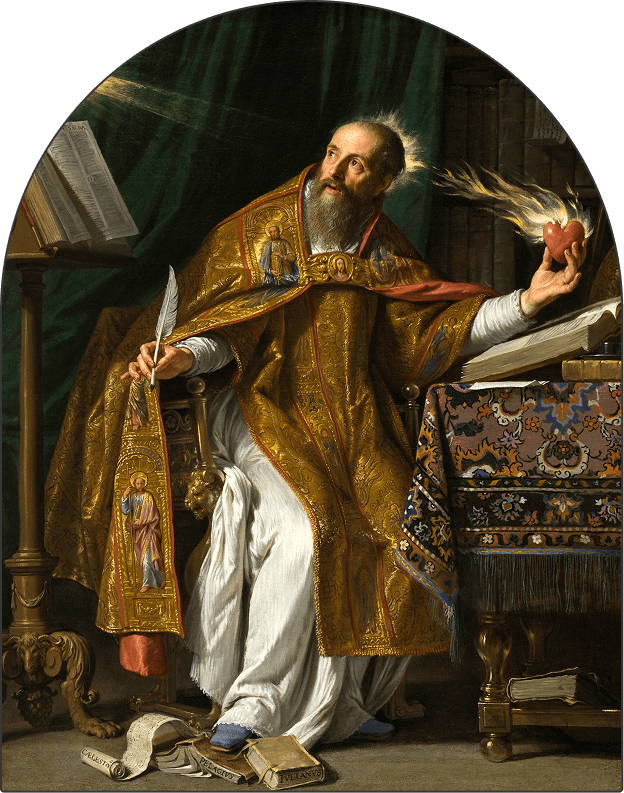
The Prayer Life of Saint Ignatius of Loyola: The Soldier Who Became a Contemplative

Introduction
St. Ignatius of Loyola (1491-1556), founder of the Society of Jesus (the Jesuits), was transformed from a vain warrior seeking worldly glory to one of the most important spiritual teachers in Christianity. His profound prayer life and extraordinary experiences of God brought about a new way of thinking about God and spirituality within Christianity, which continues today to influence people around the world. Through Ignatius, we can see how God can change any life—no matter how worldly it may be—into a loving relationship with God .
From Vanity to Vision: The Wounded Soldier
Born Íñigo López de Loyola into a noble family in the Basque region of Spain, Ignatius had dedicated his life to the pursuit of fame as a soldier, romantic conquests, and honor; he later reflected that he was “a man given over to the vanities of the world, whose chief delight consisted in martial exercises, with a great and vain desire to win renown.”
Everything changed for Ignatius on May 20, 1521, when a cannonball struck his leg during the Battle of Pamplona. While recovering painfully from his injury at the Castle of Loyola, Ignatius requested that his family bring him romantic novels to read. Unfortunately for him, there were none available. There were only two books available to him, both of which had been written about Christ and a collection of saints’ lives.
Bored with the lack of reading material, Ignatius picked up one of these books and began reading. It was at this point in time that Ignatius had an eye-opening discovery; the moment he daydreamed about achieving worldly accomplishments, he became excited but then quickly lost his excitement and felt empty within himself. However, when he thought about following the saints and serving Christ, he felt complete joy and peace.
This revelation of how to be attentive to his inner thoughts would be the start of Ignatian spirituality. Ignatius discovered through this simple observation what is taught by Scripture, that the Holy Spirit produces in a person love, peace, joy, longsuffering, kindness, goodness, faithfulness, gentleness, self-control (Galatians 5:22-23). Ignatius began to recognize the distinctions between movements of the Spirit of God and movements of the Devil or evil one against the soul .
The Cave at Manresa: A Year of Mystical Transformation
After Ignatius’ conversion he set out on a pilgrimage to Jerusalem. Stopping at the town of Manresa in Catalonia, where he originally intended to stay for only a few days, Ignatius ended up spending almost one year there in intense prayer, penance, and many mystical encounters with God that would shape him for the rest of his life. At Manresa, Ignatius spent at least seven hours each day praying often in a cave that overlooked the Cardoner River.
While there, he practiced extreme penance, including fasting, sleeping on the ground, growing his hair long and letting his nails grow long, and through these practices, God taught Ignatius that to follow Him, the practices of extreme penance must be motivated by love, not pride.
During this period, Ignatius experienced profound mystical visions that he later described as his primary teacher. In his autobiography (which he dictated in the third person), he wrote:
God treated him at this time just as a schoolmaster treats a child whom he is teaching.
The Vision at the Cardoner River
The most significant of these experiences occurred beside the Cardoner River. Ignatius described it as a moment when “the eyes of his understanding began to be opened.” Though he saw no specific vision, he received such illumination about spiritual and divine matters that “if he were to gather up all the various helps he may have had from God, and all the various things he has ever learned, even adding them all together, he does not think he had got as much as at that one time.”
This illumination from God was not separated from Scriptural truth but confirmed and established the truth of God as written. Just as the Apostle Paul got “caught up to the third heaven” where he “heard inexpressible words” (2 Corinthians 12:2-4), Ignatius also received the same divine revelations that intensified his understanding of the Holy Bible and God revealed His will to him .
Vision of the Trinity
When Ignatius was at Manresa, he also received a profound mystical illumination regarding the Holy Trinity. He describes that God revealed to him symbolically the Holy Trinity, and he received so much joy in his vision that for days afterward he could not stop crying tears of joy thinking about the vision he had concerning God.
This is what St. Paul meant in his prayer for believers, to “know the love of Christ which passes knowledge; that you may be filled with all the fullness of God” (Ephesians 3:19). Ignatius did not experience only theological ideas but also encountered three Living Divine Persons in an active relationship through His love .
Vision of Creation
Another wonderful experience of the mystical character of Ignatius demonstrated how God creates and sustains creation. God revealed to Ignatius the existence of created things symbolically existing in God. This experience gave Ignatius an immense reverence for creation, and he realized completely that God was the ultimate source of all creation and the source of all life and that “in Him we live and move and have our being” (Acts 17:28).
The contrast between God and creation is the difference between pantheism (the belief that God and creation are the same). Ignatius experienced the biblical truth of God’s transcendence as being beyond the universe and yet simultaneously and directly involved in the universe “by the word of His power” (Hebrews 1:3).
The Spiritual Exercises: A School of Prayer
From his experiences at Manresa and beyond, Ignatius developed his masterwork: The Spiritual Exercises. The Spiritual Exercises are not a book to be read, but a comprehensive program developed by Ignatius Loyola for helping others integrate a style of praying and meditating.
The Principle and Foundation
The first part of the Spiritual Exercises is called the “Principle and Foundation,” which is where Ignatius begins with an understanding of humanity’s purpose. As Ignatius saw it:
Man is created to praise, reverence, and serve God our Lord, and by this means to save his soul. The other things on the face of the earth are created for man to help him in attaining the end for which he is created. Hence, man is to make use of them in as far as they help him in the attainment of his end, and he must rid himself of them in as far as they prove a hindrance to him.
This understanding mirrors the Westminster Shorter Catechism and, at its core, the Bible’s command to
You shall love the Lord your God with all your heart, with all your soul, and with all your mind
Matthew 22:37
Everything in life must orient itself to God.
Contemplation and Imaginative Prayer
A central element of Ignatian prayer is the imaginative use of biblical stories to meditate upon in prayer. Instead of simply reading the accounts of what happened in the Gospels, Ignatius trained people who were taking part in the Exercises (exercitants) to visualize the scene using all five senses—seeing, hearing, smelling, touching, and experiencing the presence of Christ in the Scripture.
For example, when imagining the story of Jesus’ birth, one might imagine being outside on a cold starry night listening for the cry of the infant and seeing the face of Mary. You could physically experience the touch of rough wood on your hand as you touch the wooden crate lying on the ground. Doing this engages your mind as well as your heart and imagination during prayer.
This method has solid biblical precedent. The prophets often received visions they participated in imaginatively (Isaiah 6, Ezekiel 1). God created human imagination and can sanctify it for holy purposes. As Paul wrote:
Finally, brethren, whatever things are true, whatever things are noble, whatever things are just, whatever things are pure, whatever things are lovely, whatever things are of good report, if there is any virtue and if there is anything praiseworthy—meditate on these things
Philippians 4:8
Examination of Conscience (Examen)
One of probably the greatest contributions made by Ignatius to Christian prayer is the Examen, which is a daily practice of reflecting upon the day spent in God’s presence. It is broken down into five steps:
- Gratitude: Thanking God for the blessings received during the course of the day.
- Petition: Asking for the Holy Spirit to help illuminate the day.
- Review: Walking back through the day, reflecting on each hour while looking for God’s presence and how you responded to it.
- Contrition: Asking for forgiveness for failures or sins.
- Resolution: Looking to tomorrow with renewed dedication.
This practice is very similar to what the psalmist did when he stated:
I thought about my ways, and turned my feet to Your testimonies
Psalm 119:59
It embodies Paul’s exhortation:
Examine yourselves as to whether you are in the faith. Test yourselves
2 Corinthians 13:5
In everyday experiences for many Christians, through the practice of the Examen, they will become more aware of how God interacts with their daily lives through their everyday activities and create an ongoing sense of prayer.
Discernment of Spirits
Ignatius also made a significant contribution to the understanding of spiritual discernment in his systematic teaching of recognizing what is transpiring within one’s soul.
He taught that there are three sources for spiritual experiences:
- God and His angels: bringing true peace, joy, courage, and desire for holiness
- The enemy (Satan): bringing confusion, discouragement, false consolation, and temptation
- Ourselves: our own thoughts, desires, and imagination
Rules for Discernment
To help the Christian discern where the spiritual experience is coming from, Ignatius wrote “Rules for the Discernment of Spirits.” The following are a few of the key principles to keep in mind:
For beginners in spiritual life: The enemy will usually tempt them by lusting after obvious sins and pleasures, while God will inspire them gently through kindness—leading them in the direction of goodness.
For those advanced in spiritual life: The enemy often disguises himself as “an angel of light” (2 Corinthians 11:14), tricking one into choosing false good things, which eventually lead to moving away from the best that God has for them.
The test of fruits: A true consolation from God will lead to lasting peace and to an emerging faith, hope, love, and service of the Holy Spirit. False consolation will produce anxiety, end in turmoil, and foster spiritual pride in the person receiving it.
The test of harmony with Scripture: Any spirit that leads away from biblical truth must not have come from God. As John taught:
Beloved, do not believe every spirit, but test the spirits, whether they are of God
1 John 4:1
By following these guidelines for identification of spiritual experiences, many Christians have been able to successfully navigate their spiritual lives with confidence and prudence.
Finding God in All Things
Another key aspect of Ignatian spirituality is that it encourages believers to realize that God can be found in everyday life. According to Ignatius, every opportunity can be taken as an opportunity to experience God, regardless of whether that opportunity occurs in a “sacred” environment or a “secular” environment.
An example of this would be to practice living in God’s presence while eating a meal, working in the garden, by using the time spent at work in providing God’s glory, or seeking to be God’s instrument during the time spent working in your place of employment. This idea of “finding God in all things” was a thought expressed by Brother Lawrence, in his later writing, The Practice of the Presence of God.
Ignatius demonstrated living this principle of “finding God in all things.” His secretaries shared how he was able to find God as easily in cooking a meal as he did while participating in the liturgical celebration of the Mass. Each of these activities was considered by Ignatius to be a means by which he could communicate with God and offer service to Him .
Tears: The Gift of Spiritual Intensity
In the course of Ignatius’ life, he found himself shedding tears upon occasions when he prayed, and rather than for sadness, were due to his feeling the spiritual consolation that was accompanying the prayer. His spiritual diary lists hundreds of times during prayer sessions or Mass celebrations when he shed tears. The quantity of tears he experienced during these episodes led to warnings from his doctors that his eyesight could be damaged. However, Ignatius was unable to control the flow of tears; they poured forth from him spontaneously and uncontrollably as he contemplated the love of God or experienced God’s divine presence.
This sort of gift of tears has been well documented through the ages in the Christian mystical tradition. David prayed:
My tears have been my food day and night
Psalm 42:3
Jesus wept at Lazarus’s tomb (John 11:35). Paul wrote “with many tears” (2 Corinthians 2:4).
The gift of tears from the Spirit indicates Ignatius had a heart set on fire with the love of God and, through the Spirit, experienced what Paul described:
The love of God has been poured out in our hearts by the Holy Spirit who was given to us
Romans 5:5
The Mass as Mystical Encounter
The most important sacramental practice that defined Ignatius’ spirituality was the daily celebration of the Mass (the Eucharistic). He would take time to prepare himself in prayer and spend time before the altar, and as a result, he was granted profound mystical graces during the celebration of the Mass.
There were numerous visions recorded in his spiritual diary while at Mass, including seeing Christ, perceiving the Trinity, and experiencing being overwhelmed by love. Once during one of these sessions he was so overwhelmed by the mystical love and presence of God, he could barely continue with the celebration.
While we as Protestant Christians may not share the doctrines of transubstantiation that Catholics have concerning Communion, we can derive from Ignatius’ understanding and reverence for Communion by responding properly to Jesus’ command to:
Do this in remembrance of Me
Luke 22:19
The table of Communion is to be treated as our very direct means of meeting and being together with Christ at all times.
Contemplation to Attain Divine Love
The Spiritual Exercises conclude with what is called, “The Contemplation to Attain Divine Love.” The goal of this meditation is to help Christians recognize the love of God present in all things and respond with totality.
The contemplation consists of four parts:
- Remember the benefits God has bestowed on you.
- Examine how God wants to reside in all created things.
- Study how God works and exerts himself in all created things for you.
- Examine how everything good comes from God in the same way the rays of the sun come from the sun and how the water that enables you to grow and be nourished comes from the fountain.
After each of the above points, the response to God is the same:
Take, Lord, and receive all my liberty, my memory, my understanding, and my entire will. Whatever I have or hold, You have given me; I restore it all to You and surrender it wholly to be governed by Your will.
In this prayer of total surrender, it reflects Paul’s request made to believers:
I beseech you therefore, brethren, by the mercies of God, that you present your bodies a living sacrifice, holy, acceptable to God, which is your reasonable service
Romans 12:1
Indifference: Freedom in God
A concept pivotal to Ignatian spirituality is indifference. Indifference is not an unconcerned or apathetic disposition, but it is a person who spiritually is completely free to accept whatever God desires. This means to have a light hold on all that is created and place priority on only that which best serves the glory of God and your salvation.
Ignatius explained this position in the Principle and Foundation, as we should be indifferent to all created things, having as much affection toward poverty as toward wealth; having as much affection towards being in good health as towards being in bad health; having as much affection toward a long life as toward a short life, having as much desire for what is most beneficial toward fulfilling God’s purpose for your life.
The essence of indifference as described by Ignatius is radical freedom, as exemplified by Paul:
I have learned in whatever state I am, to be content: I know how to be abased, and I know how to abound. Everywhere and in all things I have learned both to be full and to be hungry, both to abound and to suffer need. I can do all things through Christ who strengthens me
Philippians 4:11-13
The Magis: Seeking the Greater Glory
A unique principle in the Ignatian tradition is the magis (Latin word for ‘more’). Magis refers to the desire that is always to give God more glory, grow in holiness by serving him better. The magis is not perfectionism or as one who is afflicted by restlessness; the magis is the natural result of love finding ways always to give more to the Beloved.
The Jesuit motto “Ad Majorem Dei Gloriam” (For the Greater Glory of God) captures this spirit. Every decision, every action should aim at God’s maximum glory.
Furthermore, to pursue the magis directly supports the Word of God. A reminder of that is Paul:
Not that I have already attained, or am already perfected; but I press on, that I may lay hold of that for which Christ Jesus has also laid hold of me
Philippians 3:12
The life of a Christian is an ongoing progress toward deeper intimacy with Christ.
Mystical Visions of Christ and Mary
During his lifetime, Ignatius had multiple visions of Jesus and Mary. The visions were tangible experiences. He saw Jesus and Mary through the eyes of his spirit. In his vision, Ignatius saw a man holding a cross, which is a vision he had. Ignatius was praying at a chapel called La Storta, where he made a decision about whether or not the Jesuits should own property, when this vision occurred. The vision was described as “mystical,” but they were not merely feelings. Ignatius had a clear vision of God, who said to Ignatius, “I desire you to take this man as your servant,” and Christ responded to Ignatius, “I desire you to serve Us.”
The vision also gave Ignatius the strength to oppose the persecution that would follow his appointment to lead the Jesuits. The vision also confirms Ignatius’ calling to lead the Church. Ignatius had similar encounters with God in the Old Testament, such as with Moses (Exodus 3), Isaiah (Isaiah 6), and Paul (Acts 9).
Spiritual Conversation and Friendship
Ignatius encouraged spiritual companionship, which is sharing one’s spiritual journey. Ignatius wanted to build on the example of the early Church, which encouraged the spiritual growth of all members:
And let us consider one another in order to stir up love and good works, not forsaking the assembling of ourselves together, but exhorting one another
Hebrews 10:24-25
He encouraged his early companions and other Jesuits to come together to share their journeys, pray and discern God’s will. His early companions, Francis Xavier, Peter Faber and others, created a spiritual environment that promoted growth and discouraged inner spiritual isolation.
Prayer of Petition with Persistence
Ignatius’ mystical experiences should not overshadow his belief in the importance of asking God for specific things through prayers of petition. It is our responsibility to humbly offer our dreams and desires to God and be indifferent to how God chooses to answer those petitions.
Jesus confirms that this is how we should pray:
Ask, and it will be given to you; seek, and you will find; knock, and it will be opened to you
Matthew 7:7
We pray boldly and trust God’s wisdom to answer us with His perfect will and His perfect way.
Ignatius prayed for forty days, offering daily Masses and petitions to discern God’s will regarding his decision. Ignatius believed that Jesus’ teaching on persistence in prayer was illustrated in the parable of the persistent widow “that men always ought to pray and not lose heart.”
(Luke 18:1-8). Ignatius used this teaching to remind believers that they should always pray and never lose heart.
Contemplative Leadership
Ignatius was Superior General of the Jesuits, and through his example, he demonstrated that contemplation and action are not opposing but rather complementary components of the Christian life. With his contemplative life, he spent countless hours in prayer, writing thousands of letters and making important decisions about a rapidly growing religious order.
Before making any significant decision, Ignatius would spend time in prayer seeking clarity, practicing discernment and searching for God’s will. Ignatius demonstrated that contemplation and action are consistent with how Jesus lived, withdrew to pray (Mark 1:35) and then returned to lead with great power.
Ignatius demonstrated that mystical contemplation and active serving do not contradict, but rather reinforce each other. The most profound contemplatives are often the most effective in serving others.
The Spiritual Diary: A Window into Ignatian Prayer
Ignatius created a spiritual diary over a period of forty days between 1544-1545 while he was discerning how to address poverty in Jesuit churches. This spiritual diary is an important historical document providing insight into Ignatius’ prayer life as well as a record of daily mystical experiences, tears, visions and divine encounters.
Ignatius was a man who experienced nearly daily mystical graces and frequent visions of the Trinity, Christ’s humanity, the Virgin Mary and other heavenly beings, and the way Ignatius submitted these mystical experiences to rigorous discernment through the application of reason and Church teaching.
The balance of mystical experience with rational discernment models an example of a healthy spirituality. As the Scriptures say,
Test all things; hold fast what is good
1 Thessalonians 5:21
Practical Applications for Modern Believers
Daily Examen
Review your entire day today in God’s presence each evening. Where did I see God throughout my day? When was I a loving response to others? When did I miss Godly opportunities?
Imaginative Scripture Reading
When reading Gospel stories, put yourself in the scene. What do you see, hear and smell? How does Jesus gaze at you? What does He tell you?
Discernment Practice
Recognize the internal movement of your heart and mind, where is there lasting peace versus temporary excitement? What draws you toward God versus away from God?
Find God in All Things
Practice finding God’s presence by offering every action as a prayer to God by saying,
Lord, I do this for Your glory.
The Principle and Foundation Meditation
Consider the purpose of your life regularly and ask yourself, Why did God create me? What can I do to better serve God today?
Pray for Indifference
Ask God to set you free from attachments that do not glorify God through prayer,
Give me only Your love and Your grace; that is enough for me.
Seek Spiritual Friendship
Find friends you can trust, and share your spiritual journey with them through prayer, encouragement and accountability.
Practice Petition with Surrender
Come to God and share your requests for your needs without reservation, and submit to God’s will:
Your will be done
Matthew 6:10
Ignatius and Protestant Spirituality
Although Ignatius was a devout Catholic, many of his spiritual realities and insights have value for Protestant Christians as well. The Reformation’s focus on Scripture and Personal Relationships with God line up beautifully with Ignatius’ experiential and Christ-centered approach.
Several famous Protestant leaders, including John Wesley and Jonathan Edwards, practiced forms of daily spiritual Examen. Puritans often emphasized the themes of self-examination and developing an awareness of God’s providence. These themes are present in Ignatian spirituality.
Today, many Christians, regardless of denominational affiliation, accept Ignatian spirituality and methods. They have come to recognize that God’s Spirit works beyond all institutional boundaries and that wisdom from church history has enriched the spiritual journey of all believers.
Conclusion: The Call to Contemplative Action
Ignatius is living proof of God’s power to transform the lives of ordinary men. Ignatius teaches us that prayerful contemplation does not draw someone out of the world, but draws the person into deeper engagement with the world for greater effectiveness in ministry. Ignatius teaches us that contemplative devotional practices are available to all believers who sincerely seek to draw closer to God. The four major forms of Ignatian prayer practice—Ignatian Examen, discernment, “finding God in all things” and imaginative prayer—are all proven practical methods of helping establish a deeper relationship with Christ.
Most importantly, Ignatius reminds us that the ultimate purpose of all prayer is to draw us into a deeper and more intimate relationship with God and our neighbors, to love God more fully and love our neighbors more completely. As he wrote in his Spiritual Exercises:
Love ought to manifest itself in deeds rather than in words.
May we all follow Ignatius’ example and be fully devoted to seeking and serving God. May we learn to listen to God’s voice amid the clamor of this life, to find His presence in every situation we encounter every day, and to give all that we are and all we have to God for His glory.
Teach me to do Your will, for You are my God; Your Spirit is good. Lead me in the land of uprightness
Psalm 143:10
In the end, Ignatius is most well known for the dedication of his life for the rights of the Church and for the mission of the Church to proclaim the gospel of Jesus Christ. Ignatius discovered what Paul knew:
For to me, to live is Christ, and to die is gain
Philippians 1:21
May we, following Ignatius’s example, find that same transforming encounter with the living God—the God who calls us not to religion but to relationship, not to duty but to delight, not to rules but to radical love.
Ad Majorem Dei Gloriam—For the Greater Glory of God.
Our Editorial Standards:
All our content on Christian meditation traditions, prayers, and spiritual practices is reviewed by Dr. Megan Remington, PhD, ensuring theological soundness and spiritual depth.
We draw from centuries of Christian contemplative tradition, citing respected theological sources, biblical references, and established spiritual practices.
Our team understands that spiritual struggles are deeply personal. We approach topics of anxiety, strength, healing, and peace with compassion and biblical wisdom.
We continuously review and update our spiritual resources to ensure they remain relevant and aligned with orthodox Christian teaching.
Each article clearly identifies our writers and reviewers, along with the theological sources and biblical foundations used.
 To guarantee that all of our information is accurate, we ensure that all our sources are reputable. That means every source is authenticated and verified to be backed only by medical science.