


 App Store
  Google Play
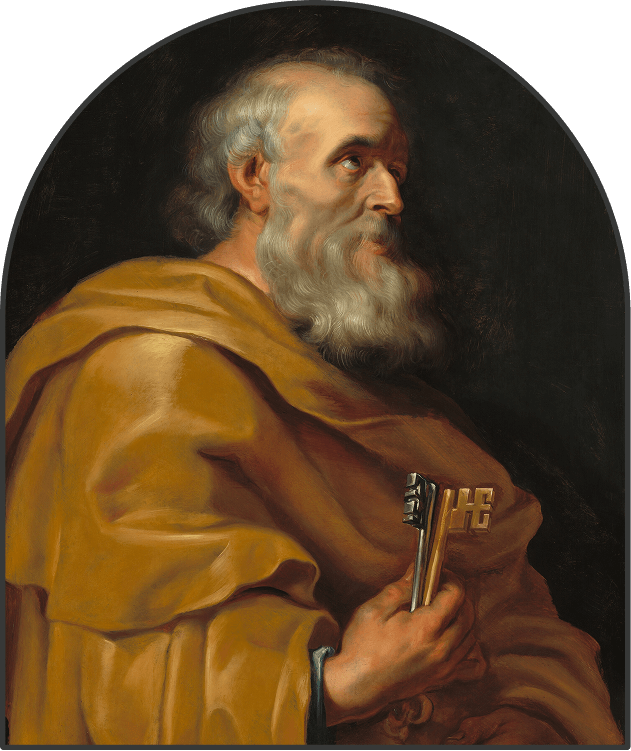
The Glory of God is Man Fully Alive: St. Irenaeus of Lyons and the Mysticism of Divine Glory

Introduction
In the turbulent second century of Christianity, when the young Church faced heresies that threatened to change the Gospel into an irreconcilable form, God raised up for the Church a defender whose weapon was not simply his argument but his ability to form a contemplative vision. St. Irenaeus of Lyons (c. 130-202 A.D.) is one of the Church’s earliest mystical theologians: the bishop’s pastoral care, theological brilliance, and contemplative insight flowed from his deep meditative study of the Scriptures and the apostolic tradition.
His famous declaration, “The glory of God is man fully alive, and the life of man is the vision of God,” captures the essence of Christian mysticism: the flourishing of humanity in a reflective manner upon the glory of God.
In contrast to many of the later mystics, who left a record of their ordination prayer experiences, Irenaeus mainly produced theological works to defend the orthodox faith against the Gnostics. However, Irenaeus’ theology is itself evidential of a distinctly contemplative spirit: one who had contemplated the mysteries of creation, incarnation, and redemption for an extended period and who recognized that the goal of theology was more than simply to provide intellectual correctness but to be transformed into the image of Christ. Doctrine and devotion, orthodoxy and contemplation, right belief and mystical vision were all seen to belong together for Irenaeus.
In its best sense, Irenaeus’ mysticism can be understood as “this-worldly.” It affirms the goodness of creation, recognizes matter as a means of participating in the divine, and celebrates the Incarnation as the ultimate affirmation of the goodness of physical reality. This view of creation is contrary to the Gnostic view of creation as evil and a means of achieving escape from matter.
Irenaeus’ mystical vision treats God’s glory as the tangible evidence of the transformation of creation, in which humanity finds itself completely alive in communion with the Creator.
Formation in the Apostolic Tradition
Irenaeus was born about 130 A.D., likely in Smyrna (modern-day Turkey) to a Christian family at the very end of the apostolic age. This happened to be just after the end of the generation of the Apostles, and thus this time frame proved to be very significant in the development of Irenaeus’s understanding of faith. During his youth, he learned from St. Polycarp (Bishop of Smyrna), who had been a disciple of St. John the Apostle, as a ministry of the church established an important link between themselves and the apostles.
Irenaeus wrote nostalgically about his training with Polycarp, stating:
I can describe the very place where the blessed Polycarp used to sit when he discoursed, and his goings out and his comings in, and the manner of his life, and his personal appearance, and the discourses which he made to the people, and how he would relate his intercourse with John and with the others who had seen the Lord, and how he would relate their words. And whatsoever things he had heard from them about the Lord, and about his miracles and about his teaching, Polycarp, as having received them from eyewitnesses of the life of the Word, would relate altogether in accordance with the Scriptures.
What his experience demonstrates is that Irenaeus had the contemplative spirit of completely absorbing the entire experience. He didn’t just hear the teaching; he was physically alert to every aspect of the teaching, including where Polycarp sat, where he walked, and how he looked. This complete attentiveness is what characterized the type of discipleship that contemplatives were known for: they not only flowed with this information in their mind but were also imbued with the spirituality of their teachers. Thus, when he learned from Polycarp, he continued to practice the “custody of the heart” that later spiritual masters would teach; meaning he gathered every detail from the memory of this contemplative relationship for contemplation at a later date.
More importantly, in Polycarp, he had the benefit of the connection to John, the disciple who sat closest to Jesus in His earthly ministry and who had written,
We have seen his glory, glory as of the only Son from the Father
John 1:14
transmitted through Polycarp to Irenaeus a spirituality rooted in eyewitness encounter. This wasn’t secondhand theology but living tradition—the experience of Christ passed from generation to generation through prayer, teaching, and holy living.
The biblical foundation for such transmission is clear. Paul instructed Timothy,
What you have heard from me in the presence of many witnesses entrust to faithful men, who will be able to teach others also
2 Timothy 2:2
Irenaeus stood in this chain of faithful transmission, receiving apostolic tradition not as dead letter but as living reality to be contemplated, lived, and passed on.
Migration to Gaul: Contemplation Amid Persecution
Irenaeus migrated from Asia Minor to Gaul about 157 A.D. He settled in the City of Lyon, the capital of the Province of Gallia. The Christian community in Lyon was made up of mostly Christians who were originally from Asia Minor and were therefore very familiar with the Apostolic Tradition. They had suffered many periods of intense and sporadic persecution. Irenaeus became the second Bishop of Lyon in 177 A.D., shortly after the deaths of most of the early Christian leaders as a result of the persecution of the persecuting emperor, Marcus Aurelius.
During this period in Lyon, numerous accounts of the persecutions occurred. Inscriptions on rock and lead discovered in Lyon today provide important evidence of the state of the Church in Lyon at that time. Many of these inscriptions contain references to the holiness and faith of the early Christian martyrs and point to the suffering of the martyrs. The witness of the early Christians served as a testimony to the powerful effect of the transforming and renewing presence of Christ in their lives. As a result of the tortures and death of many of the martyrs, the first convert to Christianity through the ministry of Irenaeus, the church of Lyon was converted to Christianity.
Many of the letters documenting the persecution that took place provide us with an opportunity to glimpse the fabulous contemplative spiritual lives of many early Christians. The lives of the martyrs, which were documented in letters as well as later accounts by Irenaeus, demonstrate the depth of the spiritual maturity of many of the early Christians. The fact that the early Christians were able to endure the chilling tortures of the Roman Empire demonstrates the power of contemplation of the crucified and risen Christ transforming their lives, thereby developing courage to endure suffering.
One of the letters detailed the death of a slave girl named Blandina, describing her as having a weak body; though she had enough strength to withstand the torture, wearing out the men who tortured her. When Blandina was suffering, she repeatedly said, “I am a Christian, and nothing vile is done among us!” Her fellow Christians viewed Blandina as the suffering member of Christ as He was being crucified. The letter describes how
Christ, dwelling within her, showed that what appears mean and ugly and contemptible in the eyes of men is of great glory before God.
The witness of the martyrs greatly influenced Irenaeus, as he returned to become the new Bishop of Lyon. He had witnessed (through at least the witness of others) the ultimate manifestation of the mystical union with Christ—the willingness to die rather than deny Him. This wasn’t fanaticism but the natural result of hearts so united to Christ that separation from Him seemed worse than death. As Paul wrote,
To live is Christ, and to die is gain
Philippians 1:21
Living in a community marked by martyrdom shaped Irenaeus’s spirituality. He pastored believers who might face torture and death for their faith at any moment. This urgency demanded not abstract theology but living encounter with God that could sustain faith through ultimate trial. Contemplation wasn’t luxury for spiritual elites but necessity for every Christian who might be called to witness with their blood.
The Battle Against Gnosticism: Defending True Contemplation
As Irenaeus perceived it, there were two main issues that he had to contend with as he provided leadership and pastoral care to the early Christian community: external persecution and internal heresy. The greatest threat to the early Christian church in the Roman Empire was not external persecution, but internal heretical teachings (specifically Gnosticism). Irenaeus identified the most significant danger posed to the church was posed by Gnosticism, which was spreading throughout the Roman Empire.
In contrast to the teachings of Gnosticism, Irenaeus articulated a form of authentic Christian contemplation. The primary reason for Irenaeus’s work, Against Heresies, was to provide a defense for authentic Christian mystical experience, which was rooted in the apostolic tradition. Irenaeus’ work was not merely an intellectual refutation of Gnostic heresy. He wrote his work as the means through which he could encourage believers to pursue authentic Christian spirituality that would lead them back to God—the very God who had been revealed in Jesus Christ.
Irenaeus knew that Gnostic doctrines did more than teach erroneous ideas; they led Christians away from the living God and toward false gods and counterfeit experiences. Irenaeus believed that authentic contemplation could only occur when it was based upon authentic doctrine. In other words, we can only have an authentic communion with God if we believe in a true doctrine—that is, God created all things good, became truly present within human experience through the incarnation of Jesus Christ, redeems both body and soul through the death and resurrection of Jesus Christ, and promises that one day there will be bodily resurrection and new creation.
Irenaeus’s defense of the doctrines of orthodoxy was also a contemplative exercise. Irenaeus continually meditated on the Scriptures and the teachings of the apostles to clearly see and articulate the truth. Irenaeus did not merely contemplate the nature of God, but experienced God through the Scriptures and the living memory of Christ’s teachings found in the Church.
The Rule of Faith: Framework for Contemplation
One of the most significant contributions of Irenaeus to the early Church was the development of the “Rule of Faith” (regula fidei). —a summary of essential Christian beliefs that provided the framework for interpreting Scripture and for authentic spiritual experience. Irenaeus’s Rule of Faith is not a fixed set of beliefs; it is based upon an understanding of the apostolic tradition and is a living collection of traditions passed down to us from the apostles through the churches they established.
The elements of the Rule of Faith as articulated by Irenaeus include:
- One God, Creator of all things visible and invisible
- Jesus Christ, God’s only Son, who became truly human
- Born of the Virgin Mary by the Holy Spirit
- Suffered under Pontius Pilate, died, was buried
- Rose bodily on the third day
- Ascended to heaven, seated at God’s right hand
- Will return in glory to judge living and dead
- The Holy Spirit, who spoke through the prophets
- The Church, established by the apostles
- Bodily resurrection and eternal life
Irenaeus articulated the Rule of Faith for both doctrinal purposes and for guiding contemplation. The Rule of Faith is not only to be intellectually affirmed, but also to be contemplated upon as mysteries to be experienced in prayer and as truths that transform.
Consider the affirmation “One God, Creator of all things.” For Irenaeus, this wasn’t abstract monotheism but contemplative reality. To meditate on God as Creator meant seeing all creation as His handiwork, recognizing divine glory shining through material reality, perceiving the goodness of everything God made. The Psalmist’s declaration
The heavens declare the glory of God, and the sky above proclaims his handiwork
Psalm 19:1
wasn’t just poetry but contemplative truth—creation itself becomes a book of revelation for those with eyes to see.
Or consider “Jesus Christ… became truly human.” Against Gnostic docetism, Irenaeus insisted that Jesus assumed the fullness of human experience—body, soul, mind, emotions, and physical needs. This truth cannot merely be treated as a theological doctrine; it must be experienced as a mystical truth of the Incarnation—in essence, that God so embraced the fullness of what it is to be human that He entered into our experience as fully as any human being could, and transformed it from the inside out.
Thus, the Rule of Faith serves two purposes: it establishes the boundary lines for authentic mystical experiences, and it provides a base for further contemplation of the inexhaustible mysteries of God revealed in Jesus Christ.
Recapitulation: The Mystical Heart of Salvation
At the center of Irenaeus’s theology stands his doctrine of recapitulation (Greek: anakephalaiosis)—a profound contemplative vision of how Christ accomplishes salvation. The term comes from Ephesians 1:10, where Paul speaks of God’s plan “to unite all things in [Christ], things in heaven and things on earth.”
For Irenaeus, recapitulation means that Christ sanctifies all stages of human life—from conception through to maturity—by experiencing every stage of human life Himself. In this way, He “recapitulates” or “sums up” all of humanity’s experiences, thus redeeming humanity from His own human nature.
However, recapitulation is much broader than simply experiencing the stages of human life, as shown below. Where Adam disobeyed, Christ obeyed; where Adam desired to be like God by taking something which belonged to God alone, Christ humbled Himself and became as a servant to humanity; and where Eve believed the lie of the serpent, Mary believed the truth spoken by the angel of God. In this way, Christ retraced the journey of humanity and lived it correctly, healing humanity with His sinless life – which was divinely united with God.
Irenaeus developed the doctrine of Recapitulation from his reflections on the grand narrative of the Bible’s Scriptures. He saw many parallels within the Scriptures, including the first Adam and the last Adam, Eve and Mary, the Tree of Knowledge and the Tree of the Cross, that through disobedience, death entered into the human race through one man, and that through obedience, life entered into the human race through another (Romans 5:12-19). These parallels were not merely clever comparisons but the way in which God revealed the mysteries of Redemption through the structure of the Scriptures.
Irenaeus wrote:
The Word of God, our Lord Jesus Christ... through His transcendent love, became what we are, that He might bring us to be even what He is Himself.
This summary of Irenaeus’s mystical theology, is a teaching of divine exchange, on humanity’s assumption to divinity, and of transformation through union with Christ. Thus, mystical theology is not merely about what we believe, but rather what we can experience through our contemplation of God and the sacramental life.
The deep implications of this understanding are already noted. If Christ “recapitulated” all of humanity, then every single moment of every person’s human life has been divinely touched by Christ’s presence in their life, and thus is also a means of communion with Christ. Whether it was at the time of attraction to infancy, childhood, adolescence, adulthood, old age, or dying, Christ has enabled and sanctified all those stages of development through His presence. Therefore the way of meeting Christ is through the full acceptance of one’s own humanity, just as Christ fully accepted all of humanity.
This understanding of recapitulation also means that every common detail of everyone’s human experience, such as eating, drinking, working, resting and interrelating with others, as well as experiencing one’s emotions, is not a hindrance and obstacle to contemplative prayer, but, rather an essential means to practicing contemplation and contemplation with God. Thus, we do not physically experience God by transcending the reality of one’s own human experience; instead we actually experience God by recognizing the presence of Christ within every facet and detail of one’s own human experience.
This incarnational understanding is completely contrary to Gnostic escapism.
The Vision of God: Human Life’s Goal
Irenaeus’s most quoted, and perhaps, profound statement encapsulates his contemplative understanding:”Gloria Dei vivens homo, vita autem hominis visio Dei”—”The glory of God is man fully alive, and the life of man is the vision of God.” Often this quotation has been taken out of context and not given the consideration that it deserves. When understood and appreciated in the full context of Irenaeus’s mystical theology it clearly encompasses the Divine union of God and humanity.
“The glory of God is man fully alive” propounds a contradictory spiritual aspect because, we know that the more fully developed we are as human beings, the greater the glory of God. This is the very essence of the fact that mankind has been created in the image of God (Genesis 1:26-27); therefore, God’s intention for mankind’s ultimate flowering, and perfection to be glorified through our greatest growth.
But Irenaeus immediately qualifies: “the life of man is the vision of God.” Humans become fully alive not through self-actualization or worldly success but through contemplation of God. Seeing God—not with physical eyes but with the eyes of faith and love—is what makes us fully human. We were created for communion with our Creator; nothing less satisfies. As Augustine would later write,
You have made us for yourself, O Lord, and our heart is restless until it rests in you.
This “vision of God” (visio Dei) isn’t reserved for heaven alone, though it reaches fulfillment there. It begins now through faith, growing progressively through contemplative prayer, deepening through transformed living, and culminating in the beatific vision when “we shall see him as he is” (1 John 3:2).
Irenaeus taught that this vision developed over time as the ability of humanity to see the divine glory increased. He used the beautiful analogy of God’s hands in the formation of humanity by the Word and the Spirit over time to prepare humanity for greater communion with God. We are like clay in the hands of a potter or as embryonic children growing towards maturity—we develop over time to the capacity of viewing God more fully.
What Irenaeus viewed as a process of development is very important for our spiritual journey and it is very easy to get discouraged about the amount of time it seems to take to achieve mystical experiences. God is very patient with us respecting our human limitations while working to help us expand how much of Him we can receive. The Christian journey is one of continually being transformed—”from one degree of glory to another” (2 Corinthians 3:18)—not immediately becoming perfect.
Irenaeus also believed this vision was corporate, not individual. The Church is the Body of Christ and the Church is being developed together as a spiritual body and as individual members of Christ’s Body. We individually develop the ability to look for God’s presence in our lives and help each other in our journey of spiritual growth by teaching, correcting, encouraging, and providing examples for the other members of the Church. The communal aspect of the journey of spiritual growth keeps mysticism from becoming self-centered.
Scripture as Contemplative Text
For Irenaeus the primary place of God’s Word is in Scripture, and he dealt with the Bible not just as an information source, but as a contemplative text—divine revelation that should be read and prayed through and meditated upon deeply. Irenaeus was interested primarily in reading the Bible in such a way that it could transform the reader.
To read the Bible in this way, much is required of the reader:
Reading according to the Rule of Faith. When the Bible is read in the light of the Apostolic Tradition, the Scriptures explain themselves. Isolated verses can easily be twisted and misused to promote error (as done by the Gnostics), but if you read them according to what the Church has historically believed based on the teachings of Christ, the meaning of the texts is much more able to be fully understood.
Attention to biblical “harmony.” Irenaeus asserted that the Old and New Testaments are internally consistent within themselves. They represent a single story from God about Himself, and when read as a unit, any apparent contradictions resolve themselves when we see the witness of the Holy Spirit that is submitted to in the manner of desire for Him.
Typological reading. Events, persons, and objects in the Old Testament typify events, persons, and things in the New Testament. Adam is Jesus Christ in type; Eve is Mary in type; the Lambs of the Feast of the Passover symbolize the Sacrifice of Christ; and the bread from Heaven (manna) is the Eucharist that we receive. Typological reading isn’t arbitrary; it recognizes that the God who works in the New Testament was already working in the Old through patterns that He embedded into history to prepare for the coming of Christ.
Spiritual reading alongside literal. Irenaeus agreed that there is a literal historic aspect to the text, but he also recognized that there are deeper spiritual meanings apart from the literal historic meaning. Both are important. Jesus walked in Galilee literally and historically; He is with us now spiritually and mystically. Both are important; neither cancels out the other.
The contemplative approach that Irenaeus took to Scripture is reflected throughout the entirety of his theology. In this way, the volume, Against Heresies is a meditative reflection on the Scriptures and weaves together many hundreds of passages from the Scriptures that demonstrate the overall pattern of our understanding of the divine revelation of God through the Scriptures. He was not quoting “proof texts”; he was gazing deeply on the Scriptures until the patterns and structures were evident.
For example, he meditated extensively on Psalm 110:1:
The LORD says to my Lord: 'Sit at my right hand, until I make your enemies your footstool.
Who is speaking? To whom? What does it mean that David calls his descendant “Lord”? Through contemplation of this verse in light of Christ’s teaching (Matthew 22:41-46), Irenaeus perceived mysteries of the Trinity and Incarnation—that Christ is both David’s Lord (as divine) and David’s descendant (as human).
Irenaeus also meditated onIsaiah 7:14:
Behold, the virgin shall conceive and bear a son.
He argued against the positions of those people who taught that the word virgin does not necessarily mean virgin in a literal sense (meaning a “young woman” would qualify). He advocated for the miracle of conception occurring, but he also understood, through his deep contemplation during prayer, that it was able to bring about a reversal of the fall of Eve.
The fall came through the sin of a virgin (Eve), and life came through the obedience of a Virgin (Mary). His views and conclusions developed through deep prayer and meditation; therefore, much of his writing can be described as a result of this methodology.
The Eucharist: Mystical Transformation
Irenaeus provides explanations through an examination of his theological view of the Eucharist, and his mystical way of receiving it. He believed that the mystical was related to the material aspects of the bread and wine, and by using Christ’s body and blood as examples, he taught the universal presence of God in the Eucharist, and that material things are capable of carrying God’s divine presence.
Irenaeus tells us that through the Eucharist, we receive spiritual nourishment and hope in our resurrection because Christ provided his body and blood to be part of our nature. Also noteworthy in Irenaeus’ teaching is the divine nature of this spiritual nourishment that will support our change.
He wrote:
When, therefore, the mixed cup and the manufactured bread receives the Word of God and becomes the Eucharist, the body of Christ, and from these the substance of our flesh is increased and supported, how can they say that the flesh is not capable of receiving the gift of God, which is eternal life—flesh which is nourished by the body and blood of the Lord?
Notice the contemplative-mystical reasoning: Our flesh is nourished by Christ’s flesh in the Eucharist. This same flesh will rise in resurrection. Therefore, receiving the Eucharist is participation now in the resurrection life that will be fully revealed. The sacrament isn’t just commemorative but transformative—actually changing those who receive it faithfully, progressively conforming them to Christ’s risen body.
Irenaeus also emphasized the Eucharist’s cosmic dimension. The bread comes from grain harvested from God’s creation; the wine from grapes crushed and fermented. These earthly elements, offered in thanksgiving (Eucharist means “thanksgiving”), are taken up by God and transformed. This mirrors the whole economy of salvation—God takes what is earthly and, through His Word and Spirit, elevates it without destroying it.
This has profound implications for contemplative spirituality. If material bread can become Christ’s Body, if wine can become His Blood, then all material reality is potentially sacramental—capable of mediating divine presence. The contemplative eye learns to see God’s glory shining through creation, to recognize the sacred in the ordinary, to perceive that “the earth is the LORD’s and the fullness thereof” (Psalm 24:1).
Eucharistic worship was also primary context for Irenaeus’s own contemplation. In the liturgy, Scripture was read and expounded, prayers offered, bread and wine consecrated, communion received. This wasn’t just corporate worship but encounter with the Risen Christ, mystical participation in His sacrifice, foretaste of the heavenly banquet. When Irenaeus celebrated or participated in Eucharist, he entered sacred time and space where heaven and earth touch, where past (Christ’s sacrifice), present (the community’s worship), and future (the wedding feast of the Lamb) converge.
The Two Hands of God: Trinity in Creation and Redemption
Irenaeus provides a beautiful image of the “Two Hands of God,” which represent the “Son” and the “Spirit” of God. God does not use other beings as intermediaries to create and sustain creation, but God uses his own Word and Spirit as Two Hands to create, support, and restore creation to its original purpose. Through these Two Hands, God shapes humanity from creation through redemption to ultimate glorification.
Irenaeus’ view of the Two Hands of God is a beautiful illustration of the active participation of the Father in the creation of humanity. The Father has a personal, loving involvement in shaping humanity just as a potter lovingly shapes clay (Jeremiah 18:6). The potter shapes the clay into a perfect image of him; the potter’s image can never be material or created. The potter’s image exists eternally in God’s mind. Therefore, everything that exists is the result of God’s intention to create. All creation is sustained through God’s love.
Irenaeus extended this image to redemption. The same two hands that formed Adam in Eden now refashion humanity in Christ. The Word becomes incarnate, living human life perfectly, recapitulating Adam’s story rightly. The Spirit descends at Jesus’s baptism, empowers His ministry, raises Him from death, and is poured out at Pentecost. Father, Son, and Spirit work together—one God in three Persons—to accomplish humanity’s salvation.
For contemplative practice, this teaching encourages attention to both Word and Spirit. We encounter God through meditation on the Word (Scripture, Christ) and through openness to the Spirit’s guidance and power. Both are necessary; neither is sufficient alone. The Word without Spirit becomes a dead letter; Spirit without Word becomes subjective enthusiasm untethered from revealed truth. Together, they lead us into all truth.
This also means creation itself becomes a book of revelation to those who read it rightly. The Psalmist declared, “The heavens declare the glory of God” (Psalm 19:1). Paul wrote that God’s “invisible attributes… have been clearly perceived… in the things that have been made” (Romans 1:20). For Irenaeus, contemplating creation with faith’s eyes reveals the Father’s love, the Son’s creative Word, the Spirit’s life-giving presence. Nature becomes sacramental—not worshiped itself but transparent to its Creator.
Growing Toward God: Progressive Transformation
He believed that this transformation is a work of God and involves a partnership between God and individuals. The Church is the most concrete place in which a person can grow toward God. A person who is part of the Church has access to all the means of grace, and the Church is called to be the Body of Christ. The Church is to be a witness to Christ in the world.
This means that every individual can participate in the life-giving activities of the Church. However, Irenaeus made it clear that all believers are not equal in their relationship with God, nor does the Church expect them to be equal in their participation in the life of the Church. The Church’s role is to be the place where individuals come together to support each other in their relationship with God, and to help them grow closer to God as they grow closer to one another.
Throughout the numerous stages of growth and development, this is not a result of God’s withholding Himself from His creation, but the slow process of developing one’s capacity to commune with God as He desires to be known. Just as children grow to become adults, so too do people move toward spiritual maturity through life, education, and divine grace. God intends for man to experience spiritual growth through the process of creation, growth, strengthening, overflowing, glorification, and seeing God.
This growth and development model communicates several truths about spirituality and the life of faith:
Patience with process. We shouldn’t expect instant mystical maturity or become discouraged when growth seems slow. God works patiently, respecting our creaturely need for time and process. Transformation is real but gradual.
Necessity of human cooperation. Growth requires active participation—we must receive teaching, practice virtue, resist temptation, engage in prayer. Grace doesn’t override human freedom but empowers it. As Paul wrote,
Work out your own salvation with fear and trembling, for it is God who works in you
Community’s role. We mature within the Church, learning from Scripture, tradition, sacraments, and fellow believers. Spiritual individualism stunts growth; communal life fosters it.
Reality of setbacks. Growth isn’t linear. We experience advances and retreats, consolations and desolations, periods of clarity and confusion. All are part of the journey toward God.
Hope for completion. What God begins, He completes.
He who began a good work in you will bring it to completion
Philippians 1:6
Our present incompleteness doesn’t mean permanent failure but ongoing transformation toward promised glorification.
Irenaeus believed that the growth of a person toward maturity continues after a person dies. Those who die in faith will continue to grow in their ability to perceive the glory of God in Heaven. Heaven is not a static existence, but a place of continual exploration of the infinite mysteries of God. The Beatific Vision of God does not create exhaustion of wonder, but rather, an increase of the individual’s desire to want to know and see God more clearly. The theological view of Heaven as a journey of love and knowledge of God continues beyond this world.
Defending the Body: Mysticism of the Flesh
Irenaeus worked hard to uphold the truth of the resurrection of the body, and he fought against the Gnostics’ denial of bodily resurrection. For Irenaeus, this battle was not only about the correctness of doctrine, but about understanding the mystical implications of being an embodied soul designed for a lifetime of community with God. The mystical teachings of Irenaeus provide a framework to understand why our bodies are essential, not to be neglected, and to be raised again after death.
Irenaeus marshaled multiple arguments:
Christ’s bodily resurrection. If Jesus rose in body (eating fish, showing wounds, being touched), then bodily resurrection is reality not metaphor. As Paul wrote, Christ is “the firstfruits” (1 Corinthians 15:20)—first of many to rise bodily.
The Eucharist. Our bodies are nourished by Christ’s Body in the Eucharist. This same flesh, fed by His flesh, will rise. The Eucharist is down payment on resurrection—beginning of transformation that will be completed when Christ returns.
Creation’s goodness. God made the body and declared it “very good” (Genesis 1:31). He doesn’t create something good only to discard it. The body will be transformed, glorified, but remain—perfected, not eliminated.
Incarnation’s implications. Christ assumed human flesh permanently. His glorified body in heaven retains wounds-become-glories (John 20:27). If God’s own Son retains the human body eternally, then bodily existence has a permanent place in divine plan.
Scripture’s witness. Job declared, “In my flesh I shall see God” (Job 19:26). Paul taught that our “lowly body” will be transformed “to be like his glorious body” (Philippians 3:21). Isaiah prophesied, “Your dead shall live; their bodies shall rise” (Isaiah 26:19).
This emphasis on bodily resurrection shapes contemplative spirituality profoundly. Christian mysticism doesn’t seek escape from the body but its transformation. We don’t despise physical reality but recognize it as destined for glory. Practices that abuse or neglect the body contradict the Gospel of Incarnation and Resurrection.
At the same time, Irenaeus didn’t promote body-worship or sensuality. The body, though good, needs discipline and ordering toward its true end. Asceticism in Christian context isn’t punishment of evil flesh but training of good flesh toward holiness—like an athlete’s discipline (1 Corinthians 9:24-27).
This incarnational mysticism also validates embodied prayer practices—kneeling, prostrating, lifting hands, making the sign of the cross. These aren’t superstitions but recognition that we’re embodied beings whose bodies participate in prayer. As the Psalmist wrote,
I bow down toward your holy temple
Psalm 138:2
Lift up your hands to the holy place and bless the LORD!
Psalm 134:2
Martyrdom: Ultimate Contemplative Witness
Irenaeus’ life and ministry occurred during the time of martyrdom. Irenaeus’ bishop, Pothinus, was tortured to death for being a Christian, and a great number of the congregation that Arianus was serving paid the ultimate price for their faith by shedding their blood. Irenaeus is said to have died a martyr (though the history of this is uncertain) whilst being persecuted under the reign of Emperor Septimius Severus around 200 AD.
Whether or not he died as a martyr, Irenaeus’s theology reflects deep meditation on martyrdom’s meaning. To Irenaeus, martyrdom was the greatest testimony to Jesus Christ; it was the last demonstration of love because it was a giving up of everything. Martyrs display through their actions that the union of believers with Jesus is more important than their very existence; they demonstrate that no amount of torture or death can break the bond of God’s love for believers (Romans 8:35-39).
Through deep contemplation, martyrs found courage to die for their faith. Since martyrs had already “died to themselves” through prayer and acts of discipline, martyrs could die with peace in their hearts. They could endure torture and abuse with joy because they had learned to join their suffering with the suffering of Jesus Christ. They could forgive their persecutors (at least in spirit) because they had participated in the forgiveness of Jesus at the Cross. Thus, the amazing testimony of martyrs results from their hidden (but very real) relationship with God.
To Irenaeus, being a martyr was the ultimate imitation of Christ, who “loved the church and gave himself up for her” (Ephesians 5:25). In this way, the martyr shows us the truest embodiment of Jesus, as he literally lays down his life for those that believe in his name (1 John 3:16), thus becoming a “living sacrifice” (Romans 12:1) in the most concrete way possible.
Nonetheless, Irenaeus acknowledged that martyrdom is not the only way for Christians to achieve holiness. Most Christians will not face persecution to the point of death, but every Christian is called to “present your bodies as a living sacrifice” (Romans 12:1)—daily dying to sin, progressively conforming to Christ’s death that we might share His resurrection (Philippians 3:10-11). The daily examples of faithfulness to Jesus give Christians the opportunity to prepare for martyrdom, even if their preparation will not culminate in an actual act of martyrdom.
The martyrs also have given us a model of contemplation. The stories of martyrs—such as Blandina, Sanctus and Pothinus—serve as examples of transformation through Christ even in instances of extreme affliction and pressure. By meditating on the stories of the martyrs, one can identify with their experiences and strengthen his/her faith, and also gain new insights into possibilities for demonstrating God’s grace toward others.
The New Creation: Mystical Hope
The teachings of Irenaeus concerning the end times reflect a profound eschatological hope, firmly rooted in the promises of God found throughout the Bible. Unlike Gnostic thought, where salvation meant escape from the physical world, Irenaeus used the Christian idea of “new creation” to teach of the renewal and complete transformation of all of creation rather than the destruction of all things.
Through studying the Scriptures, Irenaeus believed that God had made a promise to “set free from its bondage to corruption” (Romans 8:21), that God would create “new heavens and a new earth” (Isaiah 65:17; Revelation 21:1), that the meek would “inherit the earth” (Matthew 5:5). Irenaeus asserted that the above prophecies were not merely figures of speech but were promises of God’s plan for his creation.
This vision emerged from contemplating Christ’s resurrection. Jesus didn’t rise as disembodied spirit but in a transformed body—still physical but glorified, no longer subject to death, decay, or limitation. His resurrection body is the prototype for creation’s future: continuous with present reality yet transformed, recognizably the same yet wonderfully new.
By applying the teachings of the Old Testament, Irenaeus imagined a millennial kingdom wherein Christ would reign in power on a renewed earth prior to the final consummation. Regardless of whether or not the millennial kingdom is a literal interpretation of Irenaeus’ teachings, it is clear that the ultimate goal of God includes the full restoration of all of creation, and not the abandonment of creation. Therefore, the physical universe is of importance to God.
This mystical hope has practical implications. If creation is destined for glory, then caring for it now matters. Environmental stewardship becomes spiritual practice. If bodies will rise, then how we treat bodies—our own and others’—has eternal significance. If the poor will inherit earth renewed, then serving them is serving future kings of creation.
This hope also transforms present suffering. Paul wrote that “present sufferings are not worth comparing with the glory that will be revealed” (Romans 8:18). Contemplating promised future—resurrection, new creation, face-to-face vision of God—provides strength to endure present difficulties. Hope isn’t escapism but realistic expectation based on God’s faithful promises.
Irenaeus considered that the expectation of future resurrection would fuel current transformation. Irenaeus taught that, in the present, we are to live in a way that reflects God’s future for us, to progressively “become”, or “grow” to be like Jesus, the end of the ages and the ultimate hope of God, as we are created to be( Colossians 1:15), glorious reflections of divine glory (2 Corinthians 3:18).
Prayer Life: Reconstructing the Invisible
Unlike many of the later saints who have recorded their prayer experiences in great detail, we must construct Irenaeus’ personal prayer life primarily from the writings he has left to us, as well as through our general knowledge of the practices of second-century Christians. However, we can observe and make educated guesses about the following characteristics of Irenaeus’ prayer life:
Liturgical prayer. As an early bishop, Irenaeus regularly celebrated the Eucharist in community settings. He led the people in prayer as they prayed the Lord’s Prayer, sang psalms, and made intercessions. For Irenaeus, participation in liturgy was not merely a religious duty but a spiritual privilege, as it was a way for him and the people he was leading into a sacred space that was created through communion with God.
Scripture meditation. His writings demonstrate exhaustive knowledge of Scripture. This came from constant reading and meditation. He would have prayed with the Psalter, contemplated Gospel narratives, pondered Paul’s letters, meditated on Old Testament prophecies. Scripture shaped his imagination and vocabulary.
Pastoral intercession. As shepherd of souls, Irenaeus certainly prayed constantly for his flock—for their faith, their growth, their protection from heresy, their perseverance in persecution. Like Paul, he bore “the daily pressure… of my anxiety for all the churches” (2 Corinthians 11:28).
Theological contemplation. His works were not merely intellectual exercises but fruits of prayerful meditation on divine mysteries. Thinking about God was prayer for Irenaeus—not abstract speculation but loving attention to revealed truth.
Times of solitude. Though busy with pastoral and polemical work, Irenaeus must have carved out time for solitary prayer. Jesus’s example—withdrawing to pray alone (Luke 5:16)—and apostolic teaching about prayer would have compelled this.
Fast and discipline. Second-century Christians practiced regular fasting (Wednesdays and Fridays) and kept seasonal fasts. These disciplines created space for prayer and cultivated spiritual attentiveness.
The overall pattern would be biblically shaped, liturgically structured, pastorally focused, theologically deep, and practically embodied. Irenaeus didn’t separate prayer from life or contemplation from action. All flowed together in integrated Christian existence.
Legacy: The Mystic of Divine Glory
St. Irenaeus of Lyons left an indelible impression on the Church—a mysticism grounded in creation’s goodness, centered on Incarnation’s reality, oriented toward bodily resurrection and new creation. His contemplative vision affirms that the presence of God can be found in everything created. Our encounters with the divine, through Creation and Incarnation, and the hope of ourselves being transformed in the image of God through resurrection, will continue to give life to our mission.
His famous statement—”The glory of God is man fully alive”—continues to inspire Christians pursue the wholeness of spirituality by engaging all aspects of our being. In contrast to the dualistic notions that denigrate matter or deny the body, St. Irenaeus teaches that God created matter in the Person of Jesus Christ and that he will glorify it through Christ.
His biblical mysticism also provides a healthy corrective to the subjective mysticism of today that is based solely on individual experiences of the divine. For St. Irenaeus, authentic contemplation occurs in the context of the Rule of Faith, informed by apostolic teaching, and verified by the guidance of the Church. This, he believed, would prevent false mysticism while giving opportunity for an authentic encounter with God through Jesus Christ who was revealed to us.
The teaching of St. Irenaeus on the progressive transformation of human beings gives hope to all those who have become discouraged, due to the slow development of their spiritual lives. While we should not expect to be instantaneously perfect, we are to cooperate with God’s ongoing and patient work, and let him help us to grow in our ability to see the glory of the Lord “from glory to glory.”
The doctrine of bodily resurrection, as defended by St. Irenaeus, validates our existence as physical beings in the world and will validate our practice of spiritual living as embodied beings. It is evident through St. Irenaeus’s belief in the bodily resurrection that he holds to the idea that our spiritual lives are not an escape from the body, rather than an escape from the body. Our bodies are not prisons but temples of the Holy Spirit (1 Corinthians 6:19), destined for glory.
Conclusion: Alive to God’s Glory
St. Irenaeus of Lyons believed that mysticism is all about becoming fully alive to God within the created order. This means being fully aware of and able to express the divine presence in all aspects of our lives—the Incarnation of Jesus in our churches, the transformative work of the Holy Spirit in our daily lives, and the hope of our resurrection and new creation—because the glory of God resides not in humanity but in all of creation.
St. Irenaeus’s life and teachings present Christians of today with the following challenges:
Affirm creation’s goodness. Creation is not evil; it is God’s gift and can reflect the divine presence. Therefore, concern for the environment, care for our health and well-being, and appreciation for the beauty of our world should all be viewed as aspects of our spirituality.
Embrace the Incarnation. God became completely human and affirmed the divine in humanity, thereby establishing the path for humanity to be united to him.
Trust bodily resurrection. Our bodies have eternal worth and will exist eternally; therefore, how we treat them is of paramount importance.
Read Scripture contemplatively. The Bible is a means of encountering the living Word of God, not just as a source of knowledge. By prayerfully reading the Scriptures, you will gain insights into the divine mysteries that await the faithful.
Live toward the future. The new heavens and new earth will not destroy our existence as God’s creation; rather, it will transform it.
Grow patiently. God develops our relationship with him at a pace that respects our limited capabilities, and he is patiently leading us to grow beyond our current state of communion with him, and our future capacity to see him in his full glory.
The glory of God is man fully alive, and the life of man is the vision of God.
This is Irenaeus’s mystical legacy—invitation to live fully, see clearly, grow constantly toward capacity for fuller communion with the God whose glory shines through all creation and whose image we bear.
May his contemplative vision inspire us to seek God not by fleeing creation but by recognizing Creator within creation, not by despising humanity but by becoming fully human as God intended, not by fearing the body but by embracing its destiny for glorious resurrection, not by settling for spiritual mediocrity but by pressing toward the vision of God that is human life’s true fulfillment.
For the Creator of the world is truly the Word of God: and this is our Lord, who in the last times was made man, existing in this world, and who in an invisible manner contains all things created, and is inherent in the entire creation, since the Word of God governs and arranges all things.
St. Irenaeus of Lyons
Our Editorial Standards:
All our content on Christian meditation traditions, prayers, and spiritual practices is reviewed by Dr. Megan Remington, PhD, ensuring theological soundness and spiritual depth.
We draw from centuries of Christian contemplative tradition, citing respected theological sources, biblical references, and established spiritual practices.
Our team understands that spiritual struggles are deeply personal. We approach topics of anxiety, strength, healing, and peace with compassion and biblical wisdom.
We continuously review and update our spiritual resources to ensure they remain relevant and aligned with orthodox Christian teaching.
Each article clearly identifies our writers and reviewers, along with the theological sources and biblical foundations used.
 To guarantee that all of our information is accurate, we ensure that all our sources are reputable. That means every source is authenticated and verified to be backed only by medical science.