


 App Store
  Google Play
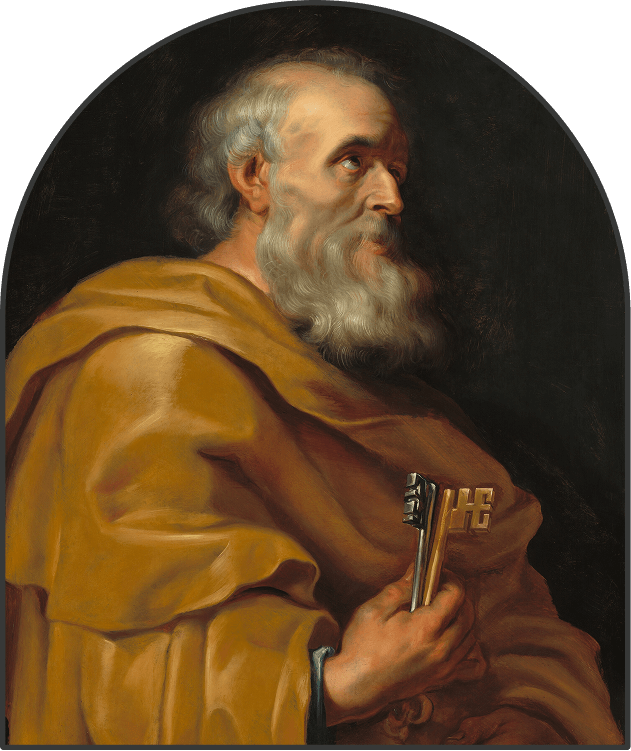
The Prayer and Contemplative Vision of St. Methodius of Olympus

Introduction
St. Methodius of Olympus (d. c. 311 AD) stands as a profound theologian and martyr of the early church, known for his deep insights into the mysteries of virginity and the resurrection. His writings express a passionate longing for the pure love between God and the soul, celebrating both the beauty of the risen Christ and the gift of divine union.
Writing during a time of intense theological dispute and persecution, Methodius combined crisp logic with poetic beauty. He wrote contemplatively, believing that Christ’s love transforms all perception. He represents an early model of connecting the Bible with philosophy, viewing Scripture not as a submission to philosophical trends, but as the divine answer to humanity’s deepest philosophical questions.
The Philosopher-Bishop
Methodius served as bishop in various locations—possibly Olympus in Lycia, and later as a Christian philosopher bishop, Methodius served in various places during a period of great theological flux throughout the Roman Empire between 298 AD and 313 AD. Most likely, St. Methodius served as the bishop of the church at Olympus in Lycia, but later in life, he may have been the bishop for Tyre. Methodius was an example of how, during his life, educated Christians who were part of the Church received a philosophical education and used many aspects from that education to advance the Gospel message of his master, Christ.
Methodius believed that philosophical education is acceptable; however, it should be subject to the authority of Holy Scripture. He believed this concept was congruent with that of St. Paul when he wrote about how, as Christians,
We demolish arguments and every pretension that sets itself up against the knowledge of God, and we take captive every thought to make it obedient to Christ
2 Corinthians 10:5
Methodius did not reject the use of philosophy; he simply baptized it and allowed it to be transformed into a contemplative means for the discovery of the divine mysteries within Christ.
His prayer life united intellectual rigor with spiritual devotion. He meditated on theological questions prayerfully, brought philosophical puzzles before God in contemplation, and sought the Holy Spirit’s illumination for understanding. This integration demonstrated that loving God with one’s mind (Matthew 22:37) means engaging intellect fully in service of faith.
The Symposium: Contemplating Virginity
Methodius’ magnum opus, the Symposium (The Banquet of the Ten Virgins), illustrates his contemplations regarding the significance of virginity as a pathway to achieve an ultimate mystical union with Christ. The work reflects Methodius’ understanding of the contribution of virginity; his work mirrors Plato’s Symposium, a philosophical work about love. He used the paradigm of virginity to illustrate a profound spiritual commitment to God through the total gift of oneself as a bride to Christ and the bridegroom of the Church.
While Methodius used the term virginity to encompass a physical state of being, he complemented this physical aspect with a spiritual reality that embodies total devotion to God by maintaining a single-hearted devotion to divine love. In addition, he reflected upon St. Paul’s teaching that
An unmarried woman or virgin is concerned about the Lord's affairs: Her aim is to be devoted to the Lord in both body and spirit
1 Corinthians 7:34
Methodius contemplates that those who choose to embrace virginity for the sake of Christ have imitated Christ’s complete self-offering of himself for the sake of the Kingdom; for these individuals, there is an interrelationship between their faith and their celibacy and prayer. Both their celibacy and prayer witness to the ultimate spiritual realities that transcend marriage on earth.
His meditations drew heavily from the Song of Solomon, which he read as dialogue between Christ and the Church, between the Logos and the individual soul. Each verse became a doorway into mystical contemplation:
Let him kiss me with the kisses of his mouth—for your love is more delightful than wine
Song of Solomon 1:2
expressed the soul’s longing for intimate communion with Christ.
Mystical Interpretation of Scripture
Like many early Christians, Methodius endeavored to read the Sacred Scriptures with the purpose of finding a deeper spiritual meaning than just the literal interpretation of the Word of God. Methodius believed that there exists a depth of spiritual meaning contained within the Sacred Scriptures: this depth includes the historical narrative, moral instruction and mystical revelation.
This approach reflected Jesus’s own hermeneutic:
You study the Scriptures diligently because you think that in them you have eternal life. These are the very Scriptures that testify about me
John 5:39
Methodius read every Scripture ultimately as testimony to Christ, finding the Bridegroom prefigured throughout the Old Testament.
He meditated on how Adam and Eve’s union pointed toward Christ and the Church (Ephesians 5:31-32), how the tabernacle’s construction symbolized the soul’s preparation for divine indwelling, how Israel’s exodus from Egypt mirrored the Christian journey from sin to salvation. This typological contemplation wasn’t arbitrary but prayerful seeking of the Spirit’s intended connections.
His mystical reading never divorced Scripture from its historical meaning. Rather, he saw history itself as laden with divine significance—God orchestrating events to reveal spiritual truths, working through particular people and circumstances to manifest eternal purposes.
Contemplation of the Incarnation
The Incarnation is also at the heart of the understanding of Methodius as a reflection of Christ, the incarnation in which Christ is the mediator between God and man, and St. Methodius represents the fullness of the Spiritual Gift from Christ, which gifts Methodius the desire to write: that is, the desire to serve Christ and the Church by sharing his life and love of Christ with others.
Like many early Christians, Methodius spent many hours contemplating the nature of God and man’s union with God—the mystery of how God can become man:
Who, being in very nature God, did not consider equality with God something to be used to his own advantage; rather, he made himself nothing by taking the very nature of a servant, being made in human likeness
Philippians 2:6-7
Each word and expression in this passage has significant meaning—through condescension and voluntary humility, through the assumption of full humanity, God manifested the mystery of the incarnation.
Methodius understood that the Incarnation validated creation and human nature. Against tendencies to despise materiality, he contemplated how God honored matter by assuming it. The eternal Logos took on not just the appearance of flesh but actual human nature—body, soul, emotions, will—everything except sin.
This incarnational mysticism shaped his entire theology. Because God became human, humans could become divine—not in essence but through participation in Christ’s life. This concept, later called theosis or divinization, meant that union with Christ transforms believers into his likeness:
And we all, who with unveiled faces contemplate the Lord's glory, are being transformed into his image with ever-increasing glory
2 Corinthians 3:18
The Bridal Mysticism
Perhaps Methodius’s most distinctive contribution to Christian mysticism was his development of bridal imagery—the soul as bride preparing to meet Christ the Bridegroom. This theme runs throughout his writings, especially “The Symposium,” creating a mystical theology of intimate, personal union with God.
He contemplated the parable of the ten virgins (Matthew 25:1-13), seeing in it the soul’s need for constant readiness, sustained devotion, and abundant grace (oil) to meet the coming Bridegroom. The wise virgins who kept their lamps burning represented contemplatives who maintain intimate fellowship with Christ through prayer and watchfulness.
Methodius meditated on the bride’s words in Song of Solomon:
I am my beloved's and my beloved is mine
Song of Solomon 6:3
This mutual belonging expressed the mystical union between Christ and the soul—a relationship of love, intimacy, faithfulness, and joy that transcends all earthly analogies while being best described through marital imagery.
His bridal mysticism wasn’t sentimental emotionalism but biblically grounded contemplation. Paul himself used marriage to describe Christ’s relationship with the Church (Ephesians 5:25-27), and Jesus called himself the Bridegroom (Matthew 9:15). Methodius simply developed this scriptural theme into full mystical theology.
Prayer Through Hymns and Poetry
Through his writing of beautiful hymns, especially the ones that conclude each of the discourses in The Symposium, Methodius articulated his contemplative devotion. These hymns reveal a man who breaks out into song when contemplating God’s beauty, someone who found prose inadequate for expressing the spiritual vision.
The opening lines to Methodius’s most popular hymn:
From heaven above, O Virgin pure, the great archangel came to you.
This celebrates the Annunciation, meditating on Mary’s role in the Incarnation. Through poetic prayer, Methodius entered into the mystery of God becoming human through a virgin’s faithful consent.
Methodius’s hymns reflect many of the same themes found in the Psalms, (as they naturally evolved into poetry):
My heart is stirred by a noble theme as I recite my verses for the king
Psalm 45:1
Methodius felt that offering prayer to The King of kings warranted language that was both beautiful and honored the divinely beautiful God being addressed.
The manner in which he offered prayer through his hymns speaks to the deeper truth that beauty reveals God and is part of purity and holiness. Just as creation displays God’s glory (Psalm 19:1), so beautiful worship reflects and responds to God’s supreme beauty. Methodius saw the beauty of aesthetic experiences as part of contemplative prayer—finding the beauty in something opens your heart to the eternal beauty of God.
Contemplation of Resurrection
Methodius wrote extensively on resurrection in his work “On the Resurrection,” combating views that spiritualized resurrection while denying bodily rising. His contemplation affirmed that the same body that dies will be raised, transformed yet continuous with earthly existence.
He meditated on Jesus’s resurrection appearances—how Christ ate fish with disciples (Luke 24:42-43), invited Thomas to touch his wounds (John 20:27), and appeared in recognizable form. These accounts demonstrated that resurrection isn’t escape from materiality but its transformation and glorification.
Methodius contemplated Paul’s metaphor:
The body that is sown is perishable, it is raised imperishable; it is sown in dishonor, it is raised in glory; it is sown in weakness, it is raised in power; it is sown a natural body, it is raised a spiritual body
1 Corinthians 15:42-44
This wasn’t replacement of physical with spiritual but transfiguration of the physical by the spiritual.
His meditation on resurrection gave hope during persecution. Bodies might be tortured and killed, but they would rise glorious and incorruptible. This assurance transformed how martyrs faced death—not as tragic end but as transition toward transformed existence.
The Purification of the Soul
Methodius taught that contemplative life requires the purification of the heart and soul through removing the sinfulness of each, orderly arrangement of the disordered desires of the earthly heart and soul, and finally—cultivating virtue. The purification of your soul does not mean you are earning your salvation by your works, it means that you are cooperating with God’s grace by preparing your body and spirit for a deeper connection with God.
Through his meditations, Methodius used scripture where the baptismal imagery is found:
Christ loved the church and gave himself up for her to make her holy, cleansing her by the washing with water through the word, and to present her to himself as a radiant church, without stain or wrinkle or any other blemish, but holy and blameless
Ephesians 5:25-27
Methodius also felt that purification is an ongoing process through daily repentance, confession and practicing the spiritual disciplines in preparation for returning to Christ as his pure and beautiful bride. Methodius’s contemplation concerning purification would also include contemplation on temptation and warfare against the demonic.
His contemplation of purification included meditation on temptation and spiritual warfare. He recognized that progress in holiness intensifies demonic opposition. Like Jesus tempted after baptism (Matthew 4:1-11), those advancing spiritually face increased testing. Prayer and watchfulness are essential defenses:
Watch and pray so that you will not fall into temptation
Matthew 26:41
Mystical Union with Christ
The peak of Methodius’s understanding of contemplative theology is in his view of mystical union between the soul and Christ, when the soul has the opportunity to intimately commune with Him, to be transformed, to be enlightened and to be deified through union with Christ. This intimate communion isn’t a complete union wherein the individual person loses his identity, but a loving relationship with one that continually retains his individuality while receiving the life of Christ.
The mutual dwelling in Christ is the absolute nature of mystical union:
I am the vine; you are the branches. If you remain in me and I in you, you will bear much fruit; apart from me you can do nothing
John 15:5
The union between the believer and Christ is like a branch to the vine; both participate in the life of the vine, but neither is the other.
Methodius also drew from Paul’s mystical declarations:
I have been crucified with Christ and I no longer live, but Christ lives in me
Galatians 2:20
Methodius would often spend hours meditating on what this paradox meant, to die to self while continuing to live by Christ. In Methodius’s view, this is mystical, not just metaphorical.
Prayer in Community
Methodius’s writing emphasizes individual contemplation; man’s view of God through meditative prayer. However, he firmly believed that a person’s spirituality is inextricably linked to the Church Community. Methodius himself experienced the relationship between ecclesial spiritual being and worship, especially in the area of liturgical prayer and supernatural communion through the sacraments. He believed that all believers are united spiritually by being members of one body (1 Corinthians 12:27) and that when an individual prays, their prayer is also a form of worship of the Church Community. This relationship also works in the reverse manner.
Methodius’s Symposium illustrates the communal aspect of contemplation, as the ten virgins see the sacrament of the Body of Christ, and share thoughts regarding its God, with each person adding to the thoughts of others. This way of constructing a dialogue indicates that according to Methodius, the development of christian mystic theology is a process that occurs through sharing within the community and discernment of the community.
Methodius emphasizes the role of bishops as spiritual leaders, indicating that a bishop is not a ruler but rather a shepherd who directs individuals to be more closely united with Christ. Therefore, the way in which a bishop leads means that there are two aspects, the practical and administrative aspects, and the contemplative aspect. Methodius exemplified that the role of a Bishop is not separate from being a mystic.
Meditation on Mary
Methodius passionately wrote about Mary the Theotokos (God-bearer). He meditated on the Annunciation (Luke 1:26-38), seeing in Mary’s “Let it be to me according to your word” the perfect response to divine initiative—humble receptivity, faithful obedience, complete surrender.
Mary is both an example to all Christians, and especially to those who live as consecrated virgins. Physical virginity represents the total devotion of one’s heart to God, receptivity to the overshadowing of the Holy Spirit, and the willingness to bring Jesus Christ into the world. In a sense, what occurred physically in Mary is analogous to how every Christian takes Christ into their heart through belief or faith.
Through his contemplation of Mary, Methodius avoided all the embellishments that have arisen regarding Mary, but provided a very respectful interpretation of Mary based on Scripture. Mary was the first to receive God’s word, and was the first disciple of Christ (Luke 1:42).
Methodius thought of Mary’s holding of Christ as a physical example of how each Christian embraces and receives Christ in their own life by reading Scripture, by receiving Christ in the Holy Eucharist and by praying. The Church, as a Mother, nurtures and gives birth to Christ in the believers’ lives through the people she raises up.
The Practice of Fasting
As stated, Methodius trained himself in Asceticism through regular fasting. His ascetic discipline was not a rejection of God’s creation, but a method of becoming spiritually focused by training one’s body to desire God more than physical pleasure.
Methodius reflected on Jesus’ experience of fasting for forty days in the desert (Matthew 4:1-2) and developed the belief that Jesus Christ fasted to prepare for spiritual warfare and for ministry. The Followers of Christ [the Christian] also fast to maintain spiritual readiness for battle against the Evil.
He viewed fasting as an expression of the Bridegroom’s [Christ’s] longing for His Bride [the Church]. Therefore, when asked by the Pharisees why Christ’s followers were not fasting, Jesus replied,
How can the guests of the bridegroom mourn while he is with them? The time will come when the bridegroom will be taken from them; then they will fast
Matthew 9:15
Methodius considers fasting as a statement of the yearning of the soul to be united with Christ eternally, to experience the fullness of His presence at the time of consummation in Heaven.
Methodius taught that fasting should be both joyful and a form of discipline. Therefore, Asceticism is not merely a responsibility, but a loving response of one’s life to the grace of God which develops an environment of freedom and joy enabling deeper communion with God.
Contemplation During Persecution
Methodius lived and was ministering during times of persecution from the Roman Empire, and his contemplation of God during these times has shown that he had a strong belief in the eternal and looked at temporary suffering through the perspective of the eternal glory awaiting him.
The teaching of Christ to his followers was that suffering for Jesus’ name is a great honor before God (Matthew 5:10-12).
When Methodius himself was martyred in approximately 311 AD during the Great Persecution, it demonstrated the fruit of his years of meditation upon Christ’s passion and resurrection, and that through his contemplating Christ’s suffering, Methodius was able to endure his own suffering, and through meditating on Christ’s resurrection, Methodius was not afraid to die.
The Beauty of Holiness
Another unique feature in Methodius’ mystical spirituality is the emphasis placed on beauty—in particular, the beauty of a person’s soul that has been cleaned, and clothed with the grace of God.
He meditated on the Psalmist’s invitation:
Worship the LORD in the splendor of his holiness
Psalm 29:2
Holiness possesses splendor, beauty that attracts and delights. The saint becomes beautiful through union with Christ, reflecting divine glory like Moses’s face after encountering God (Exodus 34:29-35).
Moreover, Methodius especially saw the beauty of holiness in martyrs and virgins. These individuals became living icons of the beauty of God by having sacrificed all for Jesus; their total sacrifice made them pure, their devotion to God adorned them, and their faith made them beautiful.
Aesthetically, Methodius did understand that all humanity has a natural desire to be attracted to beauty. Rather than placing a block in the way of obtaining true beauty, he directed this desire for beauty to the ultimate beauty, God. The human heart’s desire for beauty will ultimately be fulfilled in the presence of God—the God of ultimate Love—and the beauty of Christ will be experienced in each believer’s experiences of faith and hope.
Prayer of Adoration
The life of Methodius reflected faith’s prayer life. His continual expression of the joy of God’s attributes, loving reverence for God’s perfection, and continual unending praise of God’s supreme goodness were expressed in Methodius’s writings in praise of God.
He meditated on angelic worship in Isaiah’s vision:
Holy, holy, holy is the LORD Almighty; the whole earth is full of his glory
Isaiah 6:3
Methodius understood that worship is the soul’s highest activity, that contemplating God’s holiness transforms the contemplator, that adoration prepares the heart for every other spiritual practice.
His hymns express this adoration beautifully, celebrating Christ’s incarnation, praising God’s wisdom in creation, glorifying divine mercy in redemption. These weren’t merely literary compositions but the overflow of contemplative prayer—words struggling to express inexpressible realities, poetry attempting to capture ineffable beauty.
Meditation on the Cross
Methodius contemplated Christ’s cross as supreme revelation of divine love. He meditated on how infinite love could embrace such suffering, how the sinless One could bear sin’s penalty, how the immortal could taste death—all mysteries inviting endless contemplation.
Methodius focused on Paul’s letters and wondered how they described the cross to those who were perishing as foolishness but pointed out that
For the message of the cross is foolishness to those who are perishing, but to us who are being saved it is the power of God
1 Corinthians 1:18
The cross appears weak yet demonstrates ultimate power—the power of self-giving love In the cross Methodius saw the tree of life, turning the curse of the tree of knowledge in the Garden of Eden into a blessing for all of humankind. In the garden, there was disobedient eating from the tree of knowledge that led to the fall of man; through the cross, there is obedient death that leads to the resurrection of mankind from sin and death. The wood that caused mankind to die has now become the wood of life for mankind.
Thus, when Methodius talks about spirituality shaped by the cross, all mystical experiences must be evaluated through the filter of love as shown in the life of Christ. True contemplation must conform the believer to the same self-emptying that Christ experienced (Philippians 2:5-8), produce a desire to show love through self-sacrifice to others, and require him to carry his cross daily (Luke 9:23).
The Heavenly Banquet
Methodius’ vision concerning the wedding feast in the kingdom to come is that it represents the ultimate consummation of Christ and the Church when everything will be made new. In the Symposium, Methodius goes ahead of this in describing the heavenly banquet, where virgins eat with the Bridegroom in eternal joy.
He meditated on Revelation’s vision:
Then I heard what sounded like a great multitude, like the roar of rushing waters and like loud peals of thunder, shouting: 'Hallelujah! For our Lord God Almighty reigns. Let us rejoice and be glad and give him glory! For the wedding of the Lamb has come, and his bride has made herself ready
Revelation 19:6-7
This contemplation on the promise of the glorious future helps sustain faith through the present suffering of trials and tribulations. The Bridegroom is coming! The virgins are getting ready for him; we are preparing for the feast. And what assurance this gives in times of trouble because every suffering means preparation for that day, every discipline is preparing them for the bride’s adornment, and every act of faithfulness is another way of keeping their lamps burning.
Teaching Through Dialogue
Methodius’ method of writing is through philosophical dialogue; therefore, the very writing style he used reflects his contemplative goal. In conversation, you can discover truth, and multiple perspectives provide deeper understanding through dialectic.
In the Symposium, Methodius gives each of the ten virgins an opportunity to express their views collectively, so together they can come to a fuller understanding of the meaning of virginity. This illustrates that mystical truth is too profound for a single perspective; it requires a group to explore together and listen patiently to each other in their attempt to seek God.
Through Methodius’ dialogue format, contemplation is democratized. All believers can be involved with discovering the deeper truth of the sacred mysteries; every person’s experience of Christ contributes to the collective knowledge base of the church, therefore benefiting from the gifts given to each believer through the Holy Spirit (1 Corinthians 12:4-11).
Free Will and Divine Grace
While Methodius emphasizes the role of free will in salvation, he does not downplay the primacy of grace. Contemplating this mystery helped Methodius to grasp the idea of cooperation: divine grace invites a response to God; divine grace enables a believer to be obedient to God’s call; and the believer responds to God by the choices that grace provides.
Methodius was mindful of Philippians 2:12-13 when he wrote,
Continue to work out your salvation with fear and trembling, for it is God who works in you to will and to act in order to fulfill his good purpose.
This paradox—working out God’s work in you—sums up the concept of contemplative life. Grace does not override our will but empowers it to allow us to make choices that glorify God.
The emphasis Methodius placed on the use of free will shaped his pastoral approach. He inspired and encouraged believers to pursue holiness, seek purity, and accept discipline, yet did so confident in the power of grace to enable their choices while respecting their freedom to choose.
Preparation for Christ’s Return
Methodius frequently maintained an attitude of watchfulness in anticipation of Christ’s return. His meditation on the parables, especially the parable of the ten virgins, kept this hope alive in him, and he was ready for the Bridegroom’s coming at all times, so he needed to be constantly prepared.
His watchfulness influenced and shaped his prayer life. His prayers echoed the cry of the early church,
Maranatha—Come, Lord Jesus!
1 Corinthians 16:22; Revelation 22:20
For Methodius, this was not a “please don’t let me suffer anymore” prayer; it was a prayer of intense longing for the day when Christ will come and be victorious over all evil, and suffering will no longer be a part of our existence.
Methodius worked to maintain a balance between hope for the future and responsibility in the present. For Methodius, the watching for Christ’s return was not an excuse for abandoning the responsibilities of everyday life but rather fulfilling them in a way that keeps us serving well while waiting for our Master to return (Matthew 25:14-30).
Spiritual Motherhood
Methodius articulated a rich and deep theological understanding of spiritual motherhood—how the Church births believers through baptism; how people bring forth Christ through contemplation; and how teachers provide spiritual parenthood and care to disciples. His understanding of spiritual motherhood offered additional dimensions to bridal mysticism and provided multiple ways of understanding the Church’s union with Christ.
In his contemplation of Paul’s words to the Galatians:
My dear children, for whom I am again in the pains of childbirth until Christ is formed in you
Galatians 4:19
Methodius saw a parallel between spiritual formation and pregnancy and childbirth—conceiving Christ through faith, nurturing God’s life within the believer, and eventually bringing forth a mature believer through patient labor in the word.
In his contemplation of spiritual motherhood, Methodius was able to highlight feminine images of God (not as a limitation) while still adequately addressing the need for masculine language. Methodius acknowledged God’s creative power (Job 38:29), His motherly love for His children by comforting them (Isaiah 66:13), and the experience of laboring as a woman does to give birth to a child (Isaiah 42:14). His meditation on spiritual motherhood recovered these neglected metaphors for God present in the biblical texts.
The Final Witness
As a martyr in approximately 311 A.D., his martyrdom serves as the ultimate testimony to the work of God in him through contemplation of the Passion of Christ. Through this Passion, he actively participated in Christ’s love and recalled that through Christ’s Victory over sin and death he forever would share in the same.
The second foundational belief of Methodius’ time was held by the Church that he faced death with peace and confidence, the fruit of many years’ preparation through prayer and contemplation. Methodius had meditated upon resurrection and through this process had removed the sting from death (1 Corinthians 15:55) and been assured by God’s promise of victory that overcame death.
Legacy of Bridal Mysticism
St. Methodius of Olympus brought to the Church a great wealth of bridal mysticism—understanding the intimate union of the soul with Christ through contemplative spirituality; understanding Christ; and understanding the theological implications of consecrated virginity. His writings have continued to influence the Church’s understanding of and practices related to bridal mysticism throughout the ages, especially within the Church of the East.
As a philosopher and poet, he shows how the mind and heart need not be at war with one another, but rather should unite in their contemplation of God. His writings defend the reality of the Body being resurrected through a consummation of the physical and spiritual. Through his writings, he protected the essence of Christianity by embracing the doctrine of Incarnation.
Conclusion
St. Methodius of Olympus provides an excellent example of how contemplative spirituality will change one’s understanding of virginity, resurrection, and mystical union. His life’s path can be traced through his transition from a philosopher to a bishop to a martyr and represents an increasing transformation to Christ-likeness, deeper intimacy with Christ—his Divine Bridegroom—through increasing dependence upon Him, and to complete love given to God.
As we seek to deepen our relationship with God, we must also prepare ourselves, as Methodius did, to become prepared for the coming of our Divine Bridegroom by adopting the posture of being brides preparing for the wedding feast and keeping our lamps filled through ongoing prayerful devotion and fidelity to God. He has shown us the need to embrace the difficulty of purification of our hearts and to practice disciplines (i.e. fasting) which will focus our attention on Him, and to completely give ourselves to Him.
Let us, as Methodius did, read the Scriptures prayerfully and contemplatively, with the desire to find Christ on every page, and may we hear the voice of the Bridegroom calling to us to be ever more deeply united with Him. We must continue to remain in prayer and contemplation of Christ’s Incarnation until we have been filled with wonder anew—that is, God becoming Man so that men could be made into godlike beings.
We must also contemplate the cross—that God revealed His ultimate love through Christ’s Passion, and that we can allow this cruciform love to shape our daily choices and character. We must remain ever-watchful with hope until the Bridegroom returns, and faithfully serve God in whatever capacity He calls us to.
And may we pray with Methodius’s confidence that the One who began good work in us will complete it (Philippians 1:6), presenting us finally to Christ as radiant bride— “without stain or wrinkle or any other blemish, but holy and blameless” (Ephesians 5:27).
Come, Lord Jesus. Let your kingdom come. Present your Church as a glorious bride. Unite us fully with yourself in the eternal wedding feast where joy knows no end and love no limit.
To the Bridegroom of the Church, Jesus Christ our Lord, together with the Father and the Holy Spirit, be glory, honor, and worship, now and forever. Amen.
Our Editorial Standards:
All our content on Christian meditation traditions, prayers, and spiritual practices is reviewed by Dr. Megan Remington, PhD, ensuring theological soundness and spiritual depth.
We draw from centuries of Christian contemplative tradition, citing respected theological sources, biblical references, and established spiritual practices.
Our team understands that spiritual struggles are deeply personal. We approach topics of anxiety, strength, healing, and peace with compassion and biblical wisdom.
We continuously review and update our spiritual resources to ensure they remain relevant and aligned with orthodox Christian teaching.
Each article clearly identifies our writers and reviewers, along with the theological sources and biblical foundations used.
 To guarantee that all of our information is accurate, we ensure that all our sources are reputable. That means every source is authenticated and verified to be backed only by medical science.