


 App Store
  Google Play
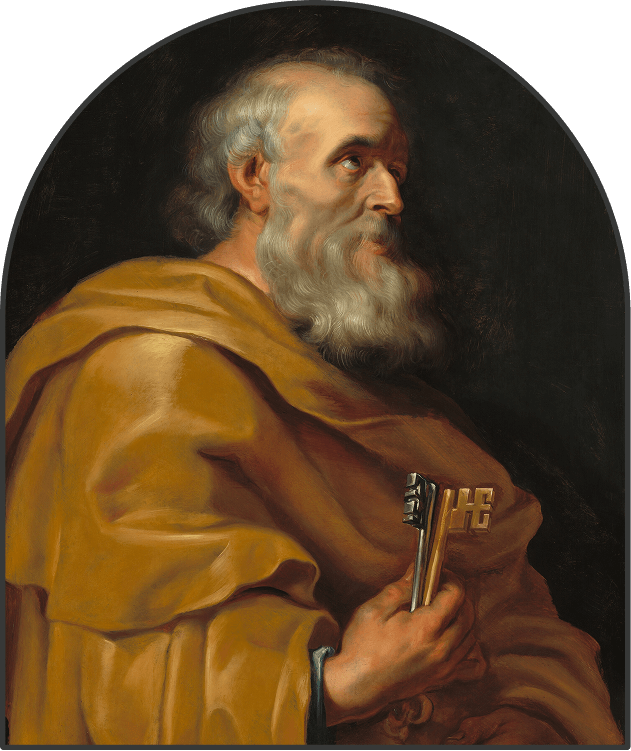
The Prayer Life of Saint Stephen: The First Martyr’s Vision of Glory

Introduction
Saint Stephen, the first Christian martyr, blazed across the pages of Acts like a shooting star. Though he appears only intermittently in the book of Acts (Acts 6 and 7), his story is one of extraordinary depth: his prayer life, contemplation, and mystical experiences resulted from a life filled with the Holy Spirit and immersed in Scripture, reveals that his relationship with Christ is eternal, transcending even death itself.
A Man Full of Faith and the Holy Spirit
In Acts 6, a dispute arose within the early church regarding the daily distribution of food to widows. As part of the solution, the apostles commanded that the congregation select seven men who were “of good reputation, full of the Holy Spirit and wisdom” (Acts 6:3) to oversee this practical ministry.
When the congregation selected Stephen first (Acts 6:5), he was described as “a man full of faith and the Holy Spirit” (Acts 6:5). This description is profound—Stephen wasn’t merely a capable administrator but a Spirit-filled contemplative whose inner life overflowed into outer service.
To describe someone who is “full” of the Holy Spirit, we must be careful not to think of it as a one-time occurrence but rather as an ongoing state of being. Therefore, being filled with the Holy Spirit on a continuous basis was how Stephen lived. Paul later wrote about how those who live in communion with the Holy Spirit are able to walk “in the Spirit” (Galatians 5:25) and live in the fullness of God.
In the early church, the understanding was that when we serve others practically, we must also have a relationship with God and the Holy Spirit. The church didn’t view contemplation and action as separate entities but rather recognized that the most effective servants are those whose activity is the result of their intimacy with God. As Jesus taught: “Abide in Me, and I in you. As the branch cannot bear fruit of itself, unless it abides in the vine, neither can you, unless you abide in Me” (John 15:4).
Full of Grace and Power
Acts describes Stephen as “full of faith and power” and performing “great wonders and signs among the people” (Acts 6:8). This effective power came from Stephen’s prayer life and being in communion with God through the Holy Spirit. Stephen did not use techniques or practices to produce his power; it was all God’s Holy Spirit’s power flowing through a vessel that was yielded to Him.
As the apostles prayed, “Now, Lord, look on their threats, and grant to Your servants that with all boldness they may speak Your word, by stretching out Your hand to heal, and that signs and wonders may be done through the name of Your holy servant Jesus” (Acts 4:29-30), so too was the power of the Holy Spirit on Stephen.
Scripture offers many examples of God’s divine power, including Moses at the burning bush (Exodus 3), Gideon’s encounter with the angel (Judges 6), Isaiah in the temple (Isaiah 6), and Paul on the Damascus road (Acts 9). These are just some examples of people who received God’s divine power through their prayers and yielded themselves to God’s design for their lives.
Wisdom That Could Not Be Resisted
Many of the members of the synagogues in the area where Stephen was serving disputed with him, yet the scripture tells us that, “they were not able to resist the wisdom and the Spirit by which he spoke” (Acts 6:10). The wisdom God gave to Stephen was not based on the human accumulation of knowledge, nor was it simply a rhetorical skill, but was a divine insight that came as a result of his being in communion with Almighty God through prayer, meditation, reflection, and contemplation.
The wisdom Stephen possessed fulfilled Jesus’s promise to His disciples: “Settle it in your hearts not to meditate beforehand on what you will answer; for I will give you a mouth and wisdom which all your adversaries will not be able to contradict or resist” (Luke 21:14-15). Stephen trusted the Spirit to provide wisdom in the moment because he lived in constant communion with that Spirit.
The wisdom that Stephen possessed fulfilled Jesus’s promise to His disciples: “If any of you lacks wisdom, let him ask of God, who gives to all liberally and without reproach, and it will be given to him” (James 1:5). It is clear that Stephen asked God for wisdom, received it, and now manifested the divine wisdom God had given to him through a spirit of faith, acting to confound his enemies.
Lastly, the book of Proverbs promises: “The fear of the Lord is the beginning of wisdom, and the knowledge of the Holy One is understanding” (Proverbs 9:10). The wisdom of Stephen flowed as a result of his relationship with God, which he had obtained through prayer and contemplation on God’s Word.
A Face Like an Angel
When Stephen stood before the Sanhedrin, “all who sat in the council, looking steadfastly at him, saw his face as the face of an angel” (Acts 6:15). This remarkable statement indicates a visible manifestation of divine glory—Stephen’s countenance reflected the glory of God dwelling within him.
This event is not the first experience for this type of encounter. Moses also had an encounter with God and after he was in God’s presence, “the skin of his face shone” so brightly that the Israelites were afraid to approach him (Exodus 34:29-30). Moses had been in God’s presence, and that presence left visible marks.
Jesus had a similar experience when He was transfigured. “His face shone like the sun, and His clothes became as white as the light” (Matthew 17:2). In both instances, the divine glory of God was manifested through the physical likeness of mankind.
The transfiguration of Stephen from human form into an angelic likeness tells us how through the continued experience of being in the presence of God, our bodies reflect the divine presence of God. The apostle Paul stated it as follows: “But we all, with unveiled face, beholding as in a mirror the glory of the Lord, are being transformed into the same image from glory to glory, just as by the Spirit of the Lord” (2 Corinthians 3:18).
The source of the power that transforms or changes us on the inside is through the Holy Spirit as a result of our continuing contemplation of the glory of Jesus Christ. The angelic brightness of Stephen’s face is a testimony of the numerous hours he spent in communion with God and in worship.
Scripture Meditation: The Foundation of Stephen’s Defense
Stephen’s defense of himself against the charges brought against him by the Sanhedrin was accomplished through a lengthy discourse of his understanding of the history of the people of God in the Scriptures (Acts 7:2-53). This understanding resulted from his meditative study of Scripture. Stephen’s comprehension of the Scriptures was formed through deep meditation of the biblical accounts and a realization of the repeated experience of rejection by the people of God of the Holy Spirit and the prophets, and God’s fulfillment of those same experiences hundreds of years earlier in the person of Jesus Christ.
This wasn’t a hastily prepared speech but the overflow of a mind saturated with Scripture. Stephen had meditated deeply on Israel’s story, seeing patterns of rejection and redemption, recognizing how Jesus fulfilled these ancient narratives.
His meditation followed the pattern Scripture itself commends: “This Book of the Law shall not depart from your mouth, but you shall meditate in it day and night, that you may observe to do according to all that is written in it” (Joshua 1:8). The psalmist declares: “Oh, how I love Your law! It is my meditation all the day” (Psalm 119:97).
Just as the apostle Paul had previously shown, Stephen’s meditation on Scripture reflected God’s illumination and insight, which gives—by the leading of the Holy Spirit—the understanding of Christ in the Hebrew Scriptures. Stephen’s message to the people was consistent with the teachings of Jesus to the two disciples on the road to Emmaus found in Luke 24:27 and Luke 24:44.
The Temple of God’s Presence
A crucial element of Stephen’s defense addressed the temple’s significance. He quoted Solomon:
Heaven is My throne, and earth is My footstool. What house will you build for Me? says the Lord, or what is the place of My rest? Has My hand not made all these things?
Acts 7:49-50, quoting Isaiah 66:1-2
In addition to understanding that worship of God must be done in spirit and truth (John 4:24) through the contemplation of God’s Word, Stephen knew that God is searching for living temples — people who will offer their hearts to God and allow Him to dwell within them.
Later, Paul would teach: “Do you not know that you are the temple of God and that the Spirit of God dwells in you?” (1 Corinthians 3:16). Stephen’s understanding that God was dwelling in him before the apostle Paul articulated it indicates that Stephen was a physical manifestation of a holy venue for worship before God and to God.
This understanding liberated Stephen from depending on external locations for encountering God. Because he had the continual presence of God with him, his prayers were unceasing, he had the ability to commune with God anytime, anywhere, and in any circumstances.
Prophetic Boldness Born from Prayer
In his defense to the Sanhedrin, Stephen demonstrated his boldness by expressing his contempt of them, saying,
You stiff-necked and uncircumcised in heart and ears! You always resist the Holy Spirit; as your fathers did, so do you. Which of the prophets did your fathers not persecute? And they killed those who foretold the coming of the Just One, of whom you now have become the betrayers and murderers.
Acts 7:51-52
Stephen’s prophetic boldness is similar to how God used the prophets of old to hold Israel accountable for their disobedience. Stephen’s boldness was given to him by the Holy Spirit, not out of human courage. He fearlessly confronted the high-ranking religious leaders of Israel and called for repentance as he spoke the truth to them without compromise, regardless of the consequences.
This boldness fulfilled Jesus’s promise:
When they bring you to the synagogues and magistrates and authorities, do not worry about how or what you should answer, or what you should say. For the Holy Spirit will teach you in that very hour what you ought to say.
Luke 12:11-12
Stephen’s prayer life was an integral element of his preparedness for the moment of confrontation with the Sanhedrin. He was able to hear the voice of the Holy Spirit leading him to speak what he said, which was the result of his devotion and dedication in communion with God. Through that communion Stephen acquired clarity and boldness to act in the prophetic.
The Mystical Vision: Heaven Opened
As Stephen’s accusers “gnashed at him with their teeth” (Acts 7:54), we see him respond not with fear but with contemplation:
But he, being full of the Holy Spirit, gazed into heaven and saw the glory of God, and Jesus standing at the right hand of God.
Acts 7:55
The moment Stephen experienced his vision is considered one of the greatest mystical experiences in Scripture. While Stephen’s enemies raged, his spiritual eyes opened to see heavenly reality. He witnessed what normally remains invisible—the throne of God and Jesus standing (not sitting) at the Father’s right hand.
The posture is significant. The majority of passages regarding the Lord Jesus Christ at the right hand of God speak of His completed work, depicting Him seated on the throne. Jesus’ standing shows that He was either welcoming His faithful servant home, bearing witness to Stephen’s testimony, or honoring the first to give his life in the name of Christ.
- Stephen’s vision of heaven is comparable to other biblical theophanies:
- Isaiah’s vision: “I saw the Lord sitting on a throne, high and lifted up” (Isaiah 6:1)
- Ezekiel’s vision: The glory of God appearing in wheels and living creatures (Ezekiel 1)
- John’s vision: “I saw heaven opened, and behold, a white horse” (Revelation 19:11)
- Paul’s experience: Caught up to the third heaven, hearing inexpressible words (2 Corinthians 12:2-4)
When Stephen looked to heaven, the reason he was able to see what his accusers could not was because he had developed the ability to contemplate God. He practiced God’s presence so consistently that the veil separating heaven from earth had become transparent. Jesus’ promise still rings true today:
Blessed are the pure in heart, for they shall see God.
Matthew 5:8
The Open Heaven: A Contemplative State
Stephen exclaimed: “Look! I see the heavens opened and the Son of Man standing at the right hand of God!” (Acts 7:56). This was not just a figure of speech; this was an actual mystical experience. Stephen saw beyond the material world to discover the spiritual truth of God.
The “opened heaven” idea has appeared in critical moments throughout the Bible:
- Jacob’s ladder: “Behold, a ladder was set up on the earth, and its top reached to heaven; and there the angels of God were ascending and descending on it” (Genesis 28:12)
- Jesus’s baptism: “The heavens were opened to Him, and He saw the Spirit of God descending like a dove” (Matthew 3:16)
- Ezekiel’s calling: “The heavens were opened and I saw visions of God” (Ezekiel 1:1)
- John on Patmos: “After these things I looked, and behold, a door standing open in heaven” (Revelation 4:1)
Open heavens indicate an opening of relationship between God and humanity, resulting in direct communication without the distractions of the separation of heaven and earth. This is what Stephen’s vision represents, and is what all contemplatives through the ages have sought—unmediated encounter with divine reality.
Stephen’s experience demonstrates that mystical experience isn’t reserved for isolated monks or professional mystics; Stephen demonstrated that every Spirit-filled believer can gain access to the portals of glory by walking in obedience and prayer. The man who began his ministry serving food now saw the glory of God in the face of Jesus Christ.
The Title “Son of Man”: Recognizing Jesus’s Glory
Stephen specifically saw “the Son of Man standing at the right hand of God” (Acts 7:56). This is the only place outside the Gospels where “Son of Man” appears, and significantly, it’s spoken by someone other than Jesus.
“Son of Man” was the title given by Jesus most often to indicate who He was because of a prophecy made in the book of Daniel:
I was watching in the night visions, and behold, One like the Son of Man, coming with the clouds of heaven! He came to the Ancient of Days, and they brought Him near before Him. Then to Him was given dominion and glory and a kingdom, that all peoples, nations, and languages should serve Him.
Daniel 7:13-14
By calling Jesus the Son of Man, Stephen identified Jesus as the divine figure from Daniel’s vision—the one given eternal dominion and glory. Stephen’s contemplative study of Scripture enabled him to recognize Jesus’s fulfillment of these prophecies.
Through the vision, Stephen understood the ultimate authority of his Lord. His vision also vindicated Jesus’s claim before this same council: “Hereafter you will see the Son of Man sitting at the right hand of the Power, and coming on the clouds of heaven” (Matthew 26:64). What they refused to believe, Stephen now witnessed and proclaimed.
Prayer in the Midst of Persecution
As the crowd “stopped their ears, and ran at him with one accord” (Acts 7:57) and “cast him out of the city and stoned ” (Acts 7:58), Stephen did not respond with curses or attempts to defend himself, but instead with prayer.
His first prayer echoed Jesus’s submission to the Father: “Lord Jesus, receive my spirit” (Acts 7:59). This recalls Jesus’s final words: “Father, ‘into Your hands I commit My spirit’” (Luke 23:46), which itself quotes Psalm 31:5.
Stephen prayed this way because he had continually meditated on Christ’s passion. Therefore, when Stephen found himself facing his own “suffering,” he instinctively prayed as Jesus prayed. These prayers were part of Stephen’s mystical union with Christ, as confirmed by Paul: “I have been crucified with Christ; it is no longer I who live, but Christ lives in me” (Galatians 2:20). Stephen’s martyrdom was not merely imitating Christ externally but sharing Christ’s sufferings through genuine spiritual union.
The Prayer of Forgiveness: Love’s Ultimate Expression
The pinnacle of love is forgiveness—not just for friends, but for enemies.
Then he knelt down and cried out with a loud voice, 'Lord, do not charge them with this sin.
Acts 7:60
This statement mirrors Jesus’ prayer at His crucifixion: “Father, forgive them, for they do not know what they do” (Luke 23:34). Like Jesus, Stephen prayed for the forgiveness of his murderers and not for their condemnation.
Radically forgiving others is something that we cannot do on our own; we must allow God’s divine love to enter our hearts through our willingness to surrender to Him. As Paul writes,
The love of God has been poured out in our hearts by the Holy Spirit who was given to us.
Romans 5:5
Stephen’s prayer to forgive others fulfills Jesus’ very difficult command to “Love your enemies, bless those who curse you, do good to those who hate you, and pray for those who spitefully use you and persecute you” (Matthew 5:44). It was through his profound prayer life and becoming one with Christ through contemplation that Stephen was able to develop such an incredible love for others.
Stephen knelt down even after the first stone hit him. He maintained the posture of prayer and worship throughout the entire stoning—he transformed his execution into a sanctuary, his dying moments into an act of worship. This is what Brother Lawrence was referring to when he said, “practicing the presence of God“—maintaining prayerful awareness regardless of circumstances.
The Fruit of Contemplation: Christlike Character
Stephen’s death illustrates what true contemplation of God’s presence does to our character. Stephen’s response to being persecuted—through vision, forgiveness, and peaceful surrender—shows he had been transformed to be like Christ through communion with Christ.
The transformative work of contemplative prayer in our lives should reflect Christ’s image.
But we all, with unveiled face, beholding as in a mirror the glory of the Lord, are being transformed into the same image from glory to glory, just as by the Spirit of the Lord.
2 Corinthians 3:18
Contemplative prayer doesn’t make us more spiritual in an abstract sense—it makes us more like Jesus. The test of authentic spirituality isn’t mystical experiences but Christlike character:
By this all will know that you are My disciples, if you have love for one another.
John 13:35
Stephen passed this test. His life demonstrated the fruit of the Spirit:
love, joy, peace, longsuffering, kindness, goodness, faithfulness, gentleness, self-control.
Galatians 5:22-23
The Witness to Saul: Seed of Conversion
Among those witnessing Stephen’s death was “a young man named Saul” (Acts 7:58), at whose feet the executioners laid their garments. Saul “was consenting to his death” (Acts 8:1).
This Saul later became Paul, who is viewed as the greatest missionary Christianity has ever seen.Years later, in Acts 22:20, Paul articulated that when he was on trial and was able to share his experiences with the people, he shared this event as part of his testimony. Traditional accounts express that the event of Stephen’s death, coupled with Stephen’s prayers, were instrumental in Paul’s eventual conversion.
How could Paul forget Stephen’s shining face, the elegance of his scriptural authority, the power of God revealed through his vision, and the fact that he had prayed for him to be forgiven? The contemplative witness of Stephen was the most powerful witness of the truth of God’s existence; therefore, it was an experience Paul could not ignore, even as he sought to eradicate the church through persecution.
This illustrates Jesus’ statement: “Most assuredly, I say to you, unless a grain of wheat falls into the ground and dies, it remains alone; but if it dies, it produces much grain” (John 12:24). Stephen’s death produced abundant fruit, beginning with Paul’s eventual conversion.
Mysticism and Martyrdom: The Ultimate Union
The union between mysticism and martyrdom represents the fullest union we can have with the Lord. It is the ultimate union of our will to God’s will and total self-giving love through Him. The early church recognized the full extent of Stephen’s martyrdom through his prayer. The word “martyr” means to be a witness; thus, the ultimate witness to Christ is to die while witnessing to Him. As Jesus said:
Greater love has no one than this, than to lay down one's life for his friends.
John 15:13
Stephen’s martyrdom fulfilled his baptism’s meaning. Paul wrote: “Do you not know that as many of us as were baptized into Christ Jesus were baptized into His death?” (Romans 6:3). Baptism demonstrates a commitment to being united with Jesus’ death; therefore, the literal act of martyrdom completed the symbolic act of baptism.
The ultimate goal of contemplative practice is to obtain true mystical experiences through your love for Christ, attain total self-giving love for Christ, and be transformed into His likeness. This is reflected in what Paul says:
That I may know Him and the power of His resurrection, and the fellowship of His sufferings, being conformed to His death.
Philippians 3:10
The Sleep of Death: Peaceful Surrender
After praying for his enemies, Stephen “fell asleep” (Acts 7:60). His peaceful end contrasts sharply with the brutal stoning he experienced. The use of “fell asleep” refers to a sense of resting and trusting in God during difficult times; therefore Stephen’s death was not a fight but rather a resting place.
Throughout scripture we see that believers’ deaths are considered “sleep”. We read that:
- “David…fell asleep, was buried with his fathers” (Acts 13:36)
- “Those who sleep in Jesus” (1 Thessalonians 4:14)
- “We shall not all sleep, but we shall all be changed” (1 Corinthians 15:51)
The terminology employed in scripture provides believers with assurance that death is not final; it is simply a temporary change awaiting another transition. Jesus taught:
Our friend Lazarus sleeps, but I go that I may wake him up.
John 11:11
Stephen’s peaceful death demonstrates the fruit of contemplative trust in God. Having seen heaven opened and Christ standing ready to receive him, Stephen had no fear. As the psalmist wrote:
Yea, though I walk through the valley of the shadow of death, I will fear no evil; for You are with me.
Psalm 23:4
Practical Applications from Stephen’s Example
Cultivate Continuous Spiritual Fullness
Stephen was “full of the Holy Spirit.” Pursue this fullness through daily surrender and obedience. As Paul commanded:”Be filled with the Spirit” (Ephesians 5:18)—a continuous action, not a one-time event.
Meditate Deeply on Scripture
Stephen’s defense revealed profound scriptural meditation. Adopt regular Scripture reading and memorization. Let God’s Word dwell richly within you (Colossians 3:16).
Practice God’s Presence
Stephen maintained prayerful awareness even during crisis. Throughout your day, turn your thoughts toward God. As Paul instructed: “Pray without ceasing” (1 Thessalonians 5:17).
Seek Divine Wisdom
When you are not certain what to say when witnessing, pray for God’s wisdom. James instructs us: “If any of you lacks wisdom, let him ask of God, who gives to all liberally” (James 1:5). Pray specifically for divine insight.
Maintain Worship During Trials
Worship God at all times regardless of what you are going through. Stephen worshiped God through his entire ordeal, just as Paul and Silas sang hymns while in prison (Acts 16:25).
Pray for Your Enemies
Stephen’s example serves as a challenge to us to pray for and bless those who do us harm, fulfilling Jesus’ command to “pray for those who spitefully use you” (Matthew 5:44).
Look Beyond Physical Reality
Place your eyes on the things above (Colossians 3:2), as Stephen looked to the heavens instead of seeing the stones being hurled at him. Ask God to open your spiritual eyes: “Open my eyes, that I may see wondrous things from Your law” (Psalm 119:18).
Prepare for Witness Through Prayer
Stephen’s bold testimony flowed from his prayer life. Prepare for opportunities to witness by spending time with God first. Jesus promised the Spirit would give you words when needed (Luke 12:11-12).
Stephen’s Legacy in Church History
In an age when Christianity faces renewed persecution in many areas of the world, Stephen’s example remains powerfully relevant. Stephen reminds us that an authentic person of faith is known best through how they behave under pressure. We learn from Stephen’s life that:
The Cult of Martyrs: Stephen’s contemplative life wasn’t escapist but empowering. An authentic person of faith will be able to stand under duress from those in authority. An authentic person’s spirituality will edify rather than isolate them. While looking towards Jesus Christ, Stephen found courage to speak to others regardless of the cost.
Mystical Union with Christ’s Passion: An authentic person has a vision, which allows them to testify boldly without regard for earthly consequences. To be able to see that spiritual reality, a person of faith will have strength to testify boldly of their faith regardless of earthly consequences.
The Power of Forgiveness: Stephen’s prayer for his executioners influenced Christian ethics for centuries, demonstrating that love of enemies isn’t optional but essential to authentic discipleship.
Visions at Death: Many later martyrs reported similar visions—seeing heaven opened, Christ standing ready to receive them, angels attending them. Stephen’s experience became paradigmatic for understanding death as homecoming rather than ending.
Stephen and Contemporary Spirituality
In an age when Christianity faces renewed persecution in many regions, Stephen’s example remains powerfully relevant. His life teaches that:
Authentic spirituality proves itself under pressure. Stephen’s contemplative life wasn’t escapist but empowering, enabling him to stand firm when tested.
Vision sustains witness. Seeing spiritual reality clearly gives courage to testify boldly, regardless of consequences.
Prayer transforms perspective. Stephen didn’t see merely angry men throwing stones—he saw Jesus standing in glory, making physical circumstances secondary.
Forgiveness breaks evil’s power. Stephen’s prayer for his executioners demonstrates love’s triumph over hatred, modeling redemptive response to violence.
Conclusion: The Call to Contemplative Witness
Saint Stephen the Protomartyr stands as Christianity’s first martyr and one of its greatest contemplatives. As he has shown us, contemplation leads to supernatural power, prophetic courage, and self-giving love.
Stephen challenges seekers of faith today to move beyond superficial religiosity into deep communion with God. If we see the Holy Spirit as being part of this combination of spiritual commitment with regular communion with God through prayer, we will understand that these are not two different paths but complementary dimensions of faithful discipleship.
As seen through Stephen, the fruits of prayer continually change a person into being more like Christ. When a man continues to have continuous communion with God in prayer, they naturally see the vision of Christ as Stephen did; they then instinctively pray the prayers of Jesus Christ, see the same vision of Jesus Christ, and lovingly continue to show the love of Jesus, even unto death.
Be imitators of me, just as I also am of Christ.
1 Corinthians 11:1
Saint Stephen invites you to join him in the process of becoming like Jesus Christ, and thus mirrors to others the character and nature of God.
As we continue to walk through life, we can look to Stephen’s faithfulness and remember that Jesus is standing and ready to receive and honor His faithful witnesses. As we continue to grow in our faith through prayer and relationship with God, we will be able to be like Stephen and see beyond this world to eternal reality.
Therefore we do not lose heart. Even though our outward man is perishing, yet the inward man is being renewed day by day. For our light affliction, which is but for a moment, is working for us a far more exceeding and eternal weight of glory, while we do not look at the things which are seen, but at the things which are not seen. For the things which are seen are temporary, but the things which are not seen are eternal.
2 Corinthians 4:16-18
May we, like Saint Stephen, experience the fullness of the Holy Spirit; may we know there are no limitations for those who are full of the Holy Spirit and have a strong foundation in the Word of God and speak the wisdom of God. Lastly, may we be sure of the eternal reward that awaits us as we face obstacles with courage and prayers of forgiveness.
For in the end, Stephen’s story assures us: the gates of heaven stand open, Christ awaits His faithful servants, and those who lose their lives for His sake find life eternal.
Be faithful until death, and I will give you the crown of life.
Revelation 2:10
Our Editorial Standards:
All our content on Christian meditation traditions, prayers, and spiritual practices is reviewed by Dr. Megan Remington, PhD, ensuring theological soundness and spiritual depth.
We draw from centuries of Christian contemplative tradition, citing respected theological sources, biblical references, and established spiritual practices.
Our team understands that spiritual struggles are deeply personal. We approach topics of anxiety, strength, healing, and peace with compassion and biblical wisdom.
We continuously review and update our spiritual resources to ensure they remain relevant and aligned with orthodox Christian teaching.
Each article clearly identifies our writers and reviewers, along with the theological sources and biblical foundations used.
 To guarantee that all of our information is accurate, we ensure that all our sources are reputable. That means every source is authenticated and verified to be backed only by medical science.