


 App Store
  Google Play
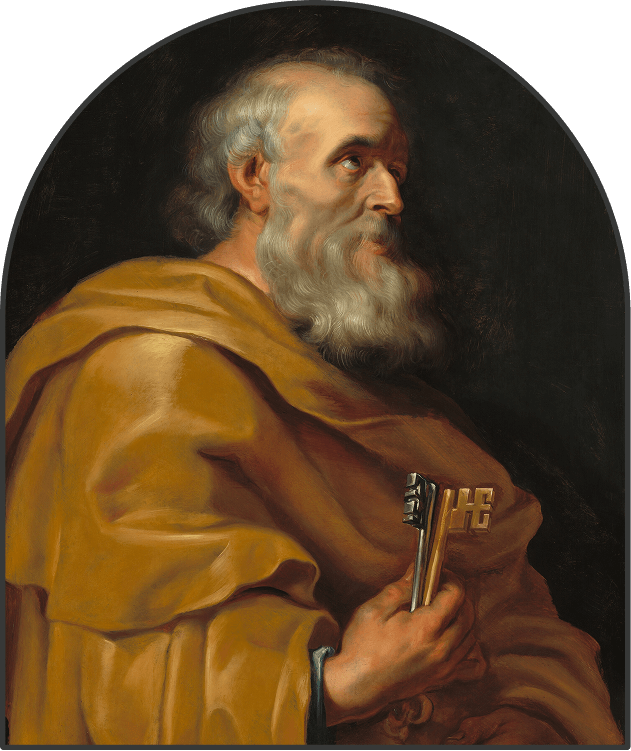
The Desert Mother: St. Syncletica of Alexandria and the Ascetic Path to God

Introduction
In the 4th century AD, there were thousands of Christians heading into the desert of Egypt, looking for solitude, stillness, and prayer as a way of developing a closer relationship with God. During this time, men known as “Desert Fathers” became legendary for their teaching and wisdom. Yet along with them, there were also women known as “Desert Mothers” who were equally inspiring.
Syncletica of Alexandria (c. 270-350 AD) is one of the most celebrated and well-known examples of these Desert Mothers. She was a teacher of contemplative knowledge and her writings were preserved by the early Church alongside the writings of the famous desert abbas (fathers). Syncletica’s life and teaching represent the emergence of a new form of mystical spirituality through radical renunciation, sustained prayer, and a period of sustained spiritual conflict.
Syncletica believed that the path of contemplative prayer leads to the stripping away of all things which may create a barrier between ourselves and God (such as wealth, the comfort of wealth, our reputations, family, etc.) and should be approached with one focus on the one necessary thing (Luke 10:42). Syncletica’s spirituality is uncompromising and filled with compassion; it is rigorous and available to anyone who truly seeks God; it is ascetical and it affirms the resurrected nature of the body.
The reason why Syncletica is so unique is that the Church endorsed and preserved her wisdom because of the obvious spiritual authority of her voice. She did not exist in a vacuum or merely exist because she was a woman in a time when the voices of women were frequently silenced or diminished. She was preserved alongside the desert fathers and (eventually) her life was written by an anonymous disciple (possibly attributed to Pseudo-Athanasius) in which Syncletica is compared to the most celebrated desert father, Anthony the Great. In this way, it is evident that holiness transcends gender difference; the depth of contemplation is not specific to one gender, but belongs to all humanity; and that women are able to experience mystical union with God just as men can.
Syncletica’s teachings on mysticism are entirely practical, whereas most teachings on mysticism are theoretical or speculative; Syncletica’s teachings focus on how converts will be transformed in their pursuit of God rather than merely collecting or acquiring a number of mystical experiences during their journey. The Way of Syncletica is based on a series of short proverbial sayings she would use (apophthegmata) to describe the very real challenges faced by all contemplatives in prayer, ascetic struggle, and direct experiences of God (ex: pride, despair, distraction, suffering, the ongoing temptation to take a break from the spiritual struggle, and the gradual growth towards humility and love).
A Wealthy Heiress Chooses Poverty
Born approximately in 270 AD into a Macedonian Christian family in Alexandria, Syncletica was the daughter of a wealthy family and raised in a wealthy family, but she had a heightened sensitivity to the spiritual compared to most girls of her age, who were preoccupied with beauty, glamour, and courting potential suitors. Instead of engaging in Alexandrian high society, attending festivals and making alliances, Syncletica found her pleasure in silence, solitude, and the relationship she developed with God.
Syncletica’s family was determined that she would find a husband when she reached the age of majority, but Syncletica was resolved to remain a virgin and offer herself to Jesus Christ. Syncletica looked to Mary and the other holy virgins as models for following her consecration as a virgin. Although her family was rich, kind, and very much devoted to God, they stressed that their daughter would become married to a wealthy man and live comfortably. They expected that at the time of Syncletica’s wedding, she would attain a degree of beauty commensurate with their family’s social status and would join her husband’s family as a contributor to his household.
But marriage, however honorable (Hebrews 13:4), wasn’t her calling. She sensed God summoning her to undivided devotion—”The unmarried woman… is anxious about the things of the Lord, how to be holy in body and spirit” (1 Corinthians 7:34).
This wasn’t rejection of marriage as evil but recognition of her particular vocation. As Paul taught, different Christians have different gifts—some called to marriage, others to celibacy.
At first, Syncletica’s parents were disappointed as they had hoped for a different path for their daughter. However, in time her parents became accepting of their daughter’s decision and allowed her to remain living at home in a state of consecrated virginity. At the same time, Syncletica was able to participate in the daily routines of her family. She also practiced prayer as a stage of her asceticism. In ancient times, many young women who became dedicated to God also lived with their families and continued with their daily routine of prayer and asceticism.
Syncletica inherited from her parents all of their financial wealth (land, money, and possessions) which would have allowed her to live comfortably, and also have provided a good future for her younger sister or other family members. However, after Syncletica inherited these material assets and wealth she now had responsibility for her blind sister, whom she felt bound to take care of. Syncletica decided to use the financial gifts she received from her parents to provide a comfortable living for herself, to do charitable works and help others in need, and to dedicate a portion of her fortune to serve God.
Syncletica embodies the call to action that Jesus gave the Rich Young Ruler in Luke 18:22:
Sell all that you have and distribute to the poor, and you will have treasure in heaven; and come, follow me
Luke 18:22
Syncletica sold all her worldly possessions and gave generously to the poor, and retained nothing for her own ‘personal use’. Syncletica’s decision was made only after a lengthy period of prayer and consideration. Syncletica understood that while possessing material wealth provides great opportunities to create good, the accumulation of riches can also create a diversion or impediment to establishing and maintaining one’s relationship with God. Wealth produces anxiety, worry and attachment, all of which are detrimental to an individual’s ability to concentrate on God and to grow closer to God.
Syncletica took her blind sister with her when she left the home of her parents to live in an abandoned sepulchre, or cave-like structure, outside the city of Alexandria. It was not uncommon for early ascetics to shelter themselves in an abandoned tomb because it was free, quiet and filled with a similar concept since they as early Christians were living among those who had died to this world, and who awaited the resurrection of their bodies.
Syncletica’s relocation indicates a break with her previous lifestyle and all of the comforts and possessions she had acquired, including her social standing, relationships and material wealth. Syncletica’s decision to ‘leave’ her life is akin to the departure of Abraham from Ur of the Chaldeans (Genesis 12:1), the flight of Moses from Egypt (Exodus 2:15) and the departure of the disciples from their fishing boats to follow Jesus (Matthew 4:20). Syncletica is an example of someone taking a bold and adventurous faith step. Syncletica fully believed that God would take care of her future needs.
Syncletica is fully aware of the necessity of placing one’s faith in God. Jesus states:
There are no one who have left house, brother, sister, mother, father or children or property for my sake and for the sake of the Gospel that will not receive a hundredfold, now in this time, and in the age to come.
Mark 10:29-30
Syncletica had faith in Jesus’ words and therefore chose to exchange temporal wealth for ever-lasting blessings and the temporary security of earthly possessions.
The Tomb: School of Contemplation
Syncletica’s place of finality became a place of prayer, a spiritual struggle, and a means of spiritual elevation. She lived a contemplative life free from the distractions of Alexandria.
As in most cases among those who dedicated themselves to life in the desert, Syncletica’s daily routine revolved around prayer:
Unceasing prayer. Syncletica maintained a constant dialogue with God, through prayer in her heart and mind, following Paul’s instruction to “pray without ceasing” (1 Thessalonians 5:17), Even while doing manual labor (weaving or spinning) to sustain herself, Syncletica maintained her focus on God.
The Jesus Prayer. Although we do not know the exact formula that Syncletica used, the repetitive and short-form prayer, likely “Lord Jesus Christ, Son of God, have mercy on me, a sinner,” was common among the ascetics of the desert. This prayer, repeated rhythmically and in conjunction with her breathing, served to eliminate the distractions of mental activity and focused her attention on the presence of Christ.
Scripture meditation. Like many other desert ascetics, Syncletica learned the Scriptures by heart through constant recitation of the biblical texts; Psalms in particular served as a great source of guidance in prayer, conveying all of the varied degrees of human emotion—praise, lamentation, confidence, defeat, joy, and sadness.
Prostrations and physical prayer. For Syncletica, prayer was not restricted to the mind; it was also able to use the body as well. She regularly fell down on her knees to pray, raised her arms high over her head, or knelt for long periods of time; all of these gestures demonstrated her inward devotion and humility.
Night vigils. Syncletica, like many other desert ascetics, slept very little and would awaken to pray several times throughout the night. The silence of the night provided for Syncletica an ideal atmosphere for undistracted and true communion with God; it was certainly true that Christ would spend an entire night praying (Luke 6:12).
Fasting. Syncletica practiced fasting; she would generally eat only once daily, with simple items like bread and water as staples, and occasionally added vegetables and legumes. The purpose of fasting is threefold: to kill the yearning of bodily hunger, to create a physical level of dissatisfaction that reasonably matched a desire for God, and to provide savings to give away to others less fortunate than herself.
Manual labor. Syncletica supported herself and her sister by working with her hands; thus, she would have likely spun or wove items as part of her daily routine. She was able to offer this work as prayer to God because of the principle:
Whatever you do, in word or deed, do everything in the name of the Lord Jesus
Colossians 3:17
Solitude and silence. Syncletica would minimize conversations to only those that were necessary for survival; thus, she could fill her interior void with space to listen to God. As she taught,
Just as the most bitter medicine drives out poisonous creatures, so prayer joined to fasting drives evil thoughts away.
Silence protects prayer from dissipation in idle talk.
This austere lifestyle wasn’t masochism or hatred of creation but radical focus. Like athlete eliminating distractions to train optimally (1 Corinthians 9:24-27), Syncletica stripped away everything non-essential to concentrate entirely on her goal—union with God. She demonstrated Paul’s teaching:
I count everything as loss because of the surpassing worth of knowing Christ Jesus my Lord
Philippians 3:8
Spiritual Warfare: Battle with Demons
Syncletica, like all of the desert ascetics, faced several different forms of spiritual warfare in the form of temptations, demonic attacks, and struggles on the inside to maintain her conviction and increase her strength in acting in virtue. The early desert fathers believed that Christ’s battle against the evil one was a cosmic battle between grace and sin and virtue and vice. The contemplative life was the battlefield of this great cosmic battle.
Trials experienced by Syncletica include:
Temptations to return to comfort. Memories, thoughts, and reflections on her old life of luxury assailed Syncletica—soft beds, delicious food, delightful clothing, and companionship—with other residents of Alexandria. Temptations came to Syncletica from demons, suggesting that she was foolish to trade her comforts for her current way of life; the demons also suggested that God never required her to make such drastic sacrifices to serve him, but rather could be fully well served while living a comfortable lifestyle.
Attacks on her sister’s behalf. The demon tempted her through concern for her blind sister, suggesting she’d been irresponsible to bring vulnerable dependent into harsh desert life, that charity required providing better care. This was subtle—appealing to legitimate duty to mask temptation to abandon her calling.
Syncletica discerned the deception. Genuine charity meant introducing her sister to contemplative life, teaching her prayer, and trusting God’s provision. She recognized that Satan disguises himself as angel of light (2 Corinthians 11:14), using apparent good to derail actual vocation.
Assaults on her virginity. Syncletica, as a consecrated virgin, was subject to the temptations of Satan and continued to be tempted sexually throughout her entire life by memories of the physical attractiveness of various men whom she had been exposed to, and through the thoughts of lost beauty, and the increased stimulation of desire, as such. Syncletica fought against these temptations by maintaining a disciplined spiritual regimen of prayer and fasting, including cold-water exposure and vigils, and calling on the name of Jesus whenever she needed assistance engaging in the battle. Syncletica additionally practiced a discipline known as “custody of the eyes”—avoiding gazing at anything that might stimulate desire, keeping interior imagination disciplined. As Job covenanted,
I have made a covenant with my eyes; how then could I gaze at a virgin?
Job 31:1
Spiritual pride. Perhaps the most subtle and dangerous temptation that Syncletica experienced; this would have been pride due to her victories over her gross temptations, maintaining due diligence in her sincere prayer life, as well as her established reputation as a holy person.
In her struggle against this form of temptation, Syncletica relied on constant self-examination and reminded herself that “every good gift and every perfect gift is from above” (James 1:17). Any virtue she possessed came from grace, not personal achievement. Any progress she’d made resulted from divine empowerment, not unaided effort. This awareness preserved humility.
Physical suffering. Syncletica experienced severe physical suffering in the last three years of her life—likely cancer of the mouth or lungs. For three years she endured excruciating pain, foul-smelling discharge, inability to eat normally, progressive physical deterioration. This was supreme test—would she maintain faith and patience through extreme suffering?
She did, offering her pain to God, seeing it as final purification, sharing in Christ’s sufferings (Colossians 1:24), and trusting that “this light momentary affliction is preparing for us an eternal weight of glory beyond all comparison” (2 Corinthians 4:17). Her patient endurance through such trial testified to authentic holiness—not just feeling-based consolations but faith anchored in divine promises.
Syncletica’s teaching on spiritual warfare emphasized several principles:
Recognition. The first defense is recognizing temptation for what it is. The demon often disguises suggestions as reasonable thoughts, legitimate concerns, and helpful advice. Discernment exposes the source.
Immediate resistance. Don’t dialogue with temptation or entertain “what if” scenarios. Resist immediately through prayer: “Lord Jesus Christ, have mercy on me.” Call on Christ’s name—demons flee from it.
Scripture as weapon. Jesus resisted Satan by quoting Scripture (Matthew 4:1-11). Syncletica taught memorizing biblical verses to wield against temptation’s specific forms.
Patience through trial. Some temptations aren’t immediately removed but persist for long periods. This isn’t divine abandonment but permitted testing that strengthens faith and proves character (James 1:2-4).
Humility as protection. Pride makes one vulnerable; humility provides defense. Those who recognize their weakness depend on God’s strength rather than trusting themselves.
Communal support. Though living in solitude, Syncletica eventually accepted disciples and provided spiritual guidance. Community provides accountability, encouragement, and perspective that protects against delusion.
The Sayings: Distilled Wisdom
Syncletica, like other early Christian leaders, taught through short, easy-to-remember phrases (apophthegmata) that offered practical solutions for spiritual challenges. Syncletica’s teachings were preserved in collections of sayings, such as Alphabetical Sayings of the Desert Fathers and in her biography. These writings show Syncletica’s depth of contemplation and wisdom.
On Renunciation
In the beginning there are a great many battles and a good deal of suffering for those who are advancing towards God, but afterwards, there is ineffable joy. It is like those who wish to light a fire; at first they are choked by the smoke and cry, and by this means obtain what they seek. As it is said: 'Our God is a consuming fire' (Hebrews 12:29); so we also must kindle the divine fire in ourselves through tears and hard work.
This saying encapsulates several truths regarding spiritual advancement. It shows that spiritual growth is difficult and requires perseverance (“smoke”) to gain access to God (“fire”). The image of lighting a fire illustrates how that pain will help the individual achieve future happiness. The statement reminds us that we must cooperate actively with grace through contemplation.
On Humility
If you find yourself in a monastery, do not go to another place, for that will harm you a great deal. Just as the bird who abandons the eggs she was sitting on prevents them from hatching, so the monk or the nun grows cold and their faith dies when they go from one place to another.
By using the metaphor of bird and eggs, Syncletica emphasizes the importance of remaining in one location or place where God has placed you as His servant and continuing to serve Him, instead of constantly searching for something better. The bird on eggs metaphor illustrates the fact that an egg needs constant warmth for successful hatching.
On Spiritual Warfare
There is labor and great struggle for the impious who are converted to God, but after that comes inexpressible joy. A person who wants to light a fire first is plagued by smoke, and so obtains what is sought. So it is written: 'Our God is a consuming fire.' We must light the divine fire in us with tears and toil.
Syncletica affirms that there will be times of “smoke” before the fire of God’s Spirit can be obtained. The reference to God as “a consuming fire” indicates to us that He removes sin and changes the heart. He is also referred to as the gold in fire (1 Peter 1:7).
On Prayer
Just as the most bitter medicine drives out poisonous creatures, so prayer joined to fasting drives evil thoughts away.
Syncletica addresses the practical problems individuals experience when praying. Syncletica also acknowledges the connection between fasting and prayer; through emptying our stomachs, we focus solely on God and prayer; through physical hunger, we experience spiritual hunger.
On Discernment
There is an asceticism which is determined by the enemy and his disciples practice it. So how are we to recognize the divine and royal asceticism from the tyrannical and satanic? Clearly through its quality of balance.
Syncletica warns her readers about asceticism that does not originate from God. There are many individuals who engage in extreme practices of asceticism to be admired for their strength or display of superiority. Syncletica warns of the importance of remaining in “balance” in the practice of asceticism. Asceticism aids the individual, by allowing for moderation and the growth of the individual’s capacity.
On Guarding the Heart
It is dangerous for anyone to teach who has not first been trained in the practical life. For if someone who owns a ruined house receives guests there, he does them harm because of the dilapidation of his dwelling. It is the same in the case of someone who has not first built an interior dwelling; he causes loss to those who come.
Syncletica stresses the need for personal transformation in those who lead others. One should not encourage others toward a way of life they have never experienced before. The inner home is where God dwells; this must first be developed through ascetic practice and contemplation, and only then can the individual safely guide others.
On Perseverance
We who have chosen this way of life must obtain perfect temperance. It is true that among seculars, also, this virtue exists, but temperance of body only, not of soul. For they abstain from corporal pleasures but their souls harbor resentment and envy, and such is damaging to them.
Syncletica delineates authenticity from superficial asceticism; any type of asceticism without an internal transition will not be productive. True temperance allows the individual to control their physical appetites as well as their emotional responses. Therefore, asceticism and the practice of asceticism complement and assist one in an internal transformation.
On Wealth and Poverty
Those who have endured the labors and dangers of the sea and then amass great wealth, even when they have gained it all, still have anguish because their success is not complete. It is the same for us. When we have renounced everything and have gained wealth within, the devil makes us stir up our former wealth which we have renounced, so that we should not make progress in our new life.
Syncletica gives a warning: one must not only be free from physical attachments to wealth but must also mentally detach oneself from wealth. The devil puts guilt into those who have obtained wealth, causing them to regret their renunciation. True poverty requires a complete detachment of one’s heart, as well as of the hands.
On Progress
Do not let yourself be deceived by Satan when he suggests that you could not accomplish what God has commanded. You cannot say, 'I have not the strength.' For what could be more impossible than for a person born of earth to be exalted to heaven? Yet this is what God promises to those who keep His commandments.
Syncletica wants to motivate the reader who struggles with feelings of despair to continue persevering. The devil tries to make a contemplative think that attaining holiness is not possible, that they will never measure up to God’s standard and that anything short of being perfect excludes them from receiving heaven. Syncletica reminds us that God forbids nothing, but rather provides grace to help accomplish everything He asks of those who serve Him. If God can elevate man to heaven, something so seemingly unattainable, He will certainly provide the strength for His followers to remain obedient to God’s commands.
On Stillness
It is good not to get angry, but if this should happen, Paul does not allow you a whole day for this passion, for he says: 'Let not the sun go down on your anger' (Ephesians 4:26). Will you wait till all your time is ended? Why hate the one who has grieved you? It is not that person who has done the wrong, but the devil. Hate sickness but not the sick person
This saying teaches readers that anger is acceptable. However, when angry, one must resolve their anger before the day ends. Syncletica wanted her readers to understand the significance of the difference between a person and the devil. Therefore, we must love all men while hating the devil, hate all sin while loving sinners.
On Death Preparation
As long as we are in this monastery, let us endure with patience, even though we suffer a little. Lest having gone out into the world, we should repent bitterly but too late, when there is no longer time to repent. For death is coming, and we do not know when.
Syncletica reminds her followers to remain steadfast in their calling, regardless of the challenges faced. Leaving your calling at the first sign of difficulty leads to future regret. Because we cannot predict when we will die, we should remain ready at all times – we should live every day with the awareness that we could meet God at any time. That awareness helps keep us spiritually awake and alive and in a state of continual prayer and practice.
A Community Forms: Spiritual Mother
Even though Syncletica lived a solitary lifestyle, she attracted other women who wanted to follow a holy life and looked to Syncletica as their leader. Syncletica did not necessarily want to create a following, but rather this resulted from God’s providence and her great wisdom and holiness.
Syncletica’s followers established an informal community created near Syncletica and with Syncletica as a spiritual mother. Syncletica’s role mirrored the desert fathers’ acceptance of new disciples forming around them. The solitude of the hermit and the community of disciples were not mutually exclusive, and so even hermits would sometimes have contact with their disciples for spiritual direction.
Syncletica’s role as a spiritual mother (amma) was defined by many aspects. These included:
Spiritual direction. Syncletica offered individual direction to her disciples for their own spiritual journeys, addressing specific issues they might be facing such as temptations, prayer questions, ascetical challenges, discouragement/desolation; and providing help for various levels of their struggles.
Teaching. Syncletica provided her disciples with instruction in the areas of prayer, scripture, virtues, and spiritual warfare. Most of the preserved sayings attributed to Syncletica likely came from her teachings.
Example. Modeling contemplative life through her own practice. Disciples learned not just from her words but from observing her prayer, her discipline, her patience, her joy despite hardship.
Intercession. Praying for her disciples constantly, bearing their burdens before God, standing in the gap as Moses interceded for Israel (Exodus 32:11-14).
Discernment. Syncletica assisted her disciples in differentiating between divine inspiration and demonic deception and discerning healthy zeal or enthusiasm from pride and genuine calling.
Encouragement. Syncletica supported, comforted, and lifted up her struggling, hurting, or desperate disciples. As Paul described his apostolic ministry:
We were gentle among you, like a nursing mother taking care of her own children
1 Thessalonians 2:7
Syncletica’s example illustrates an essential principle of the contemplative life: although the contemplative life is often alone, it is not isolated. Many hermits continue to have connection to the community of believers by receiving visitors and writing letters, and sometimes coming together for liturgy or a conference. Total isolation is dangerous because it can lead to pride and delusion, but connection to the community of believers provides accountability and perspective.
Syncletica’s willingness to accept disciples also reveals mature understanding that her contemplative gifts weren’t for herself alone but for the Church’s benefit. Like Paul teaching “we are to each other, and members one of another” (Ephesians 4:25), she recognized that grace received must be shared. Her contemplative wisdom, refined through decades of prayer and struggle, could benefit others seeking the same path.
Yet she maintained appropriate boundaries. She didn’t create elaborate institutional structures or formal rules. She didn’t seek power or control. She simply offered guidance to those who voluntarily sought it, respecting their freedom and recognizing that the Holy Spirit is each soul’s primary teacher.
The Body’s Participation: Physical Asceticism
Syncletica’s mysticism, like all desert spirituality, was rooted in the body. She recognized the flesh to be a creation of God and valuable as an everlasting creation, but she also understood that the sinful nature of the material body requires training to restrain unhealthy desires, and the material elements of asceticism help to facilitate the development of the spirit.
Some examples of Syncletica’s ascetic practices include:
Fasting. Syncletica typically ate once a day, using simple food as a means of developing discipline and controlling the desire to overeat. She taught that through fasting, people could become aware of their need for God as a source of spiritual nourishment.
Vigils. Syncletica limited her sleep time to pray during the night. This was rich in discipline and in prayer, as it provided a greater opportunity to follow the example of Jesus (Luke 6:12). The night provided the opportunity for the most undistracted time of contemplation.
Manual labor. Syncletica worked with her hands to provide for herself, instead of taking food from those who gave alms. Syncletica’s example of working to provide for herself was consistent with the instruction of the Apostle Paul:
If anyone is not willing to work, let him not eat
2 Thessalonians 3:10
Labor also prevents idleness (which invites temptation) and makes prayer time feel earned rather than entitled.
Simplicity in clothing. Syncletica wore worn, plain clothing, rather than fine clothes. This acted as a means of combating vanity and practicing voluntary poverty, and allowed Syncletica to identify with Christ, who “had nowhere to lay his head” (Matthew 8:20).
Limiting possessions. Syncletica owned only what was absolutely necessary. Limiting material possessions lessened one’s attachment to material things, made one’s life more simplistic, and directed one’s full focus toward prayer and spirituality. As Jesus said,
Do not lay up for yourselves treasures on earth... but lay up for yourselves treasures in heaven
Matthew 6:19-20
Sexual continence. Syncletica preserved for Christ her virginity. While Syncletica did not consider sexual relations as evil (it is a good gift from God), she did consider that the unmarried woman’s complete devotion will be realized through celibacy —”The unmarried woman… is anxious about the things of the Lord, how to be holy in body and spirit” (1 Corinthians 7:34).
Physical hardship. Syncletica welcomed being trained to endure both heat and cold, being trained on very uncomfortable sleeping surfaces, without modern conveniences, and to be prepared for detachment from comfort.
Syncletica stated that all of these practices serve as supports to achieve a contemplative life, therefore, these practices exist as means and not as ends in themselves. The goal of asceticism is not to create suffering but to create an environment conducive to prayer. Syncletica warned her followers of two pitfalls:
Excessive rigor. Some ascetics, driven by pride or misunderstanding, undertake extreme practices that damage health and actually impede prayer. Syncletica taught “balance”—disciplines adapted to individual capacity, rigorous enough to challenge but not so extreme they destroy.
Laxity. Others, claiming “moderation,” fail to discipline themselves adequately, remaining enslaved to comfort and pleasure. Syncletica insisted that genuine progress requires genuine sacrifice—”The gate is narrow and the way is hard that leads to life” (Matthew 7:14).
Syncletica understood also that bodily asceticism without the transformation of the inner man is useless. An individual can fast perfectly yet still maintain an attitude of resentment; one can be complete in nightly praying; and one can wear rags with full justification and pride in being humble. It is also crucial to understand that an individual must die to himself and develop a love for others; and consequently, to grow and to become like Christ.
The Scriptures teach us that Paul said,
I discipline my body and keep it under control, lest after preaching to others I myself should be disqualified
1 Corinthians 9:27
The body isn’t evil but requires ordering toward its true end. Ascetic practice trains the body to serve rather than dominate the spirit, to cooperate with rather than resist divine grace.
Contemplative Prayer: Beyond Words
Although Syncletica focused on her ascetic spiritual practices, her whole life was anchored in contemplative prayer, which was continuously being reunited with God and was prayer and communion with him, where you are in an active and conscious presence of God and not only at the time of prayer or the words of prayer.
There were some areas in her contemplative prayer that have been identified as:
Unceasing prayer. Syncletica lived her life in accordance with the apostle Paul’s directive, “pray without ceasing” (1 Thessalonians 5:17). Therefore, no matter where she was (in the workplace, during meals, or while sleeping), she was conscious of God’s presence and praying and turning her heart toward him.
Wordless contemplation. Beyond verbal prayer, Syncletica experienced a wordless contemplation before God—the silence of attention, the absence of an image, and ultimately the pure act of faith reaching to the incomprehensible Mystery. Apophatic prayer is beyond the limits of one’s understanding, beyond the limits of one’s own language, and simply present to God’s presence.
The practice of the presence of God. The development of awareness of God being—”Whither shall I go from thy Spirit? Or whither shall I flee from thy presence?” (Psalm 139:7). This awareness of God converts what might be considered the mundane activities of life (washing dishes, cleaning floors, working) into an act of continuous prayer. Each of these daily activities developed into a consciousness before God that ultimately became the act of offering to God.
Scriptural meditation. Syncletica meditated on her memorized scriptures, another very important aspect of her contemplation in prayer as she found nourishment for her soul —”Man shall not live by bread alone, but by every word that comes from the mouth of God” (Matthew 4:4).
Tears and compunction. The gift of tears (praying while crying) wasn’t about being emotional, but it was about expressing true repentance, compassion for others, and the desire to reach out to God; it was one of the most significant gifts that God gave to her as an expression of her desire to be with Him!
Physical prayer postures. All of Syncletica’s prayers engaged not just her heart or her mind as she prayed, but also her body through the physical act of kneeling and prostrating herself during lengthy prayers so that she would not fall asleep.
Liturgical prayer. Although she lived in a community without formal monastic life, Syncletica undoubtedly participated in the formal prayers of the church (morning, noon, and evening prayers), “Seven times a day I praise you” (Psalm 119:164).
Intercessory prayer. Syncletica prayed for others. As a spiritual mother and leader to her disciples and the church community, she offered herself before God on behalf of others, carrying their burdens to the Hill of Olives where Jesus prayed for the lost.
Syncletica’s prayer wasn’t escapism or self-centered spirituality but engagement with reality at its deepest level. She was confronting powers and principalities (Ephesians 6:12), cooperating with God’s redemptive work, participating in Christ’s ongoing intercession (Hebrews 7:25). Her hidden prayer supported the visible Church—as Moses’s raised hands ensured Israel’s victory (Exodus 17:11-12), so contemplatives’ prayer upholds the Church’s mission.
She also recognized that there were seasons of prayer; times of consolation, darkness, light, ease, and difficulty. Beginners often experience an abundance of consolation and a sense of connection to God; however, mature contemplatives often experience drought, darkness, and a sense of abandonment. The experience of “dry time” will not be a sign of failure but will be a sign of continued growth in God as He removes the sense of the need for feeling Him and teaches them to walk with Him and trust Him by faith. Syncletica urges us to persevere in prayer even in the “dry” times or “dark” times—we should not stop praying if our prayer does not feel good anymore. We should not determine the authenticity of our prayer based on our emotional responses. Instead, we should continue praying whether we feel everything or feel nothing. As the beatitude promises, “Blessed are those who hunger and thirst for righteousness, for they shall be satisfied” (Matthew 5:6)—and hunger itself indicates spiritual health.
Virginity: Consecrated to Christ
Syncletica dedicated herself to a total life of celibacy to Christ for the Kingdom. An understanding of this position must be carefully understood today because celibacy is not understood as something that is positive for many people.
Biblical foundation: Jesus honored both marriage and celibacy. He attended weddings (John 2:1-11), defended marriage’s permanence (Matthew 19:6), and used marital imagery for God’s relationship with His people. Yet He also taught that “there are eunuchs who have made themselves eunuchs for the sake of the kingdom of heaven” (Matthew 19:12)—those who voluntarily embrace celibacy for ministry.
Paul echoed this:
The unmarried man is anxious about the things of the Lord, how to please the Lord. But the married man is anxious about worldly things, how to please his wife, and his interests are divided
1 Corinthians 7:32-34
Both marriage and celibacy are gifts (1 Corinthians 7:7); neither is superior inherently, but each serves different purposes.
For Syncletica, virginity wasn’t negative (rejecting sexuality as evil) but positive (consecrating it to Christ). She saw herself as Christ’s bride—language drawn from Song of Solomon and Revelation’s image of the Church as bride (Revelation 19:7-9). This wasn’t fantasy but spiritual reality—genuine relationship of love with personal God.
Several aspects characterized her understanding:
Undivided devotion. Being celibate allowed Syncletica to prioritize her life to devote her time and energy to serving God through prayer and contemplation. This is not to say that married men cannot serve God; married men also have the pressures of taking care of their families, and therefore, are not able to serve God as someone who is single.
Spiritual fruitfulness. Syncletica, although not giving birth to children biologically, birthed many children through her mentoring of her disciples and through her prayers for many souls through the lives she influenced. Isaiah stated,
Sing, O barren one... for the children of the desolate one will be more than the children of her who is married
Isaiah 54:1
Eschatological sign. By being a celibate, we use celibacy as a witness of the resurrection; Jesus said, “they neither marry nor are given in marriage, but are like angels in heaven” (Matthew 22:30). Celibates live now as all will live then, pointing toward eternal reality.
Freedom for mission. Syncletica’s celibacy allowed her to renounce all that is worldly in order to allow her to practice asceticism to the level that she probably could not do had she been married. Syncletica was not self-serving, but served God’s Kingdom.
Imitation of Christ and Mary. Syncletica and Mary, like Jesus, both lived a celibate life. As believers continued to follow their examples, believers will be united with the same life pattern Christ lived.
Yet Syncletica didn’t claim superiority over married Christians. She understood that there are many vocations within the Church, and both celibacy and marriage are highly important vocations to the completeness of the church. As Paul taught about the Body of Christ (1 Corinthians 12:12-27), different members have different functions—all essential, none superior.
Syncletica also warned against the dangers of pride when seeking celibacy, because physical celibacy alone will not provide anyone with holiness; a proud virgin’s heart is in a far worse state than that of a humble married person. What matters is the heart’s purity, not merely the body’s technical integrity. As she taught, true temperance involves soul as well as body.
For contemporary readers, Syncletica’s example challenges several assumptions:
That fulfillment requires romantic/sexual relationship. She found complete fulfillment in communion with God, demonstrating that humans’ deepest need is for divine love, which romantic love images but cannot replace.
That celibacy is repressive or psychologically unhealthy. She lived joyfully and fruitfully, her celibacy liberating rather than constraining, freeing her for mission rather than frustrating natural desires.
That women’s identity depends on men. She defined herself in relation to Christ, not to male approval or partnership. This provided profound dignity and independence rooted in divine love.
That biological motherhood is women’s ultimate fulfillment. Her spiritual motherhood—guiding disciples, birthing souls into deeper faith—proved equally fruitful and possibly more enduring than physical motherhood.
Suffering and Death: The Final Purification
Syncletica’s faith was put to the ultimate test in her last years, when she was afflicted with a terrible sickness when she was around eighty years old — probably lung cancer or cancer of the mouth. For three years she suffered from excruciating pain from her disease, a foul odour coming from sores on her body, an inability to eat anything other than liquids, and the progressive decay of her body.
Her followers witnessed with great sorrow the suffering of the holy woman they respected. Many of them could not understand why God would allow such sorrow to happen to a faithful servant who loved Him. Others struggled with reconciling the apparent holiness of Syncletica with the severity of her suffering. Additionally, Syncletica had to face the temptation to feel sorry for herself, question God’s goodness, and despair over her ongoing suffering.
Nonetheless, she kept a deep trust in God and continuously offered her suffering to Him, and she found in the continued suffering an opportunity for the final purification of her soul and a closer union with Christ’s own suffering and pain. Syncletica’s teaching during this time contains profound wisdom about the purpose of suffering:
Suffering as purification. “Just as the goldsmith tests gold by placing it in fire, so the faithful are tested in the furnace of tribulation.” She saw her illness as final refining, burning away remaining impurities, preparing her for entrance into God’s presence. Peter teaches similarly:
The tested genuineness of your faith... may be found to result in praise and glory and honor at the revelation of Jesus Christ
1 Peter 1:7
Participation in Christ’s passion. “If we endure when we are tried, we shall be crowned with the crown of life.” She united her sufferings to Christ’s, finding meaning in sharing His cross. Paul wrote,
I rejoice in my sufferings for your sake, and in my flesh I am filling up what is lacking in Christ's afflictions for the sake of his body, that is, the church
Colossians 1:24
Hope in resurrection. Despite bodily decay, she maintained confidence in promised resurrection.
This light momentary affliction is preparing for us an eternal weight of glory beyond all comparison
2 Corinthians 4:17
Physical decline doesn’t diminish hope when eyes see beyond present to coming glorification.
Witness to others. As much as Syncletica taught in the earlier years of her life about the benefits of faith, her suffering has more powerfully given witness to the reality of faith than the years of her teaching. Her disciples had first-hand experience of true holiness that does not depend upon an emotional, feeling-driven spiritual experience collapsing under the stress of physical suffering. Instead, they experienced a faith anchored in God’s promises that remained steadfast in the ultimate testing of her suffering.
Trust in divine purposes. Syncletica could not comprehend why such suffering was necessary, yet she completely trusted in God’s wisdom and goodness. She was able to make the same statement about her trust that Job did when he said,
Though he slay me, I will hope in him
Job 13:15
This trust didn’t require understanding but rested on God’s character revealed in Scripture.
Despite the suffering of her body at the moment of her death (about 350 AD—with no definitive date), Syncletica’s death was a peaceful transition from her earthly life to eternal life. As she was surrounded by her disciples, Syncletica gave them her last words of counsel and blessings, prayed, and committed her spirit into the hands of God. The last words recorded of Syncletica are, “It is time for me to go to the Lord, for He is calling me.” Syncletica faced death as a transitional experience: she was leaving this world after having experienced partial vision, to enter into the next world, to see God face-to-face, and to move from faith to sight and to leave her earthly pilgrimage for her eternal home.
Immediately after Syncletica’s death, her face—ravaged from the effects of her illness—was reported as being peaceful, almost beautiful, as if her face had been transformed. This may have been an exaggeration that was added to her hagiography; however, it contains theological significance: the death of a believer is the doorway into glory, it is the transition from the perishing to the imperishable, from the corruptible to the incorruptible (1 Corinthians 15:53).
Legacy: Equal to Anthony
Syncletica’s Life, written by anonymous disciple (possibly Pseudo-Athanasius), deliberately parallels the Life of Anthony written by Athanasius. This wasn’t accidental but intentional claim: Syncletica achieved sanctity equal to Anthony’s—the most famous desert father and paradigmatic monk.
The parallels are striking:
Wealthy background renounced. Like Anthony, Syncletica inherited wealth and gave it all to the poor, following Christ’s counsel to the rich young ruler.
Withdrawal to desert. Both left civilized society for harsh desert environment, seeking God in solitude.
Spiritual warfare. Both experienced intense demonic attacks—temptations, illusions, physical assaults—and overcame through prayer and perseverance.
Disciples gathering. Despite choosing solitude, both attracted followers who formed communities around them.
Teaching ministry. Both became revered teachers whose sayings were preserved and transmitted as authoritative spiritual wisdom.
Miraculous elements. Hagiographies of both include miracles and visions, testifying to extraordinary holiness.
Long life ending in peaceful death. Both lived to advanced age, dying surrounded by disciples after decades of contemplative prayer.
By presenting Syncletica as a “female” Anthony, her biographer made a bold statement: women are spiritually equal to men and should be similarly respected. Women are not any less holy than men, and the Spirit acts equally in men and women who have completely surrendered themselves to God.
This stands in contrast to cultural beliefs (that have regrettably continued in some areas) that women have less intellectual capability, are inferior spiritually, and that women should not be engaged in serious theology and contemplation. Syncletica’s life disproves the notion that women can’t attain the heights of mysticism or the depths of theology, nor can they guide others spiritually or model holiness to the Church.
The preservation of her sayings alongside those of desert fathers in the Sayings of the Desert Fathers collections further establishes her authority. She’s not segregated in a separate “women’s” collection but integrated among the abbas, her wisdom recognized as equally valuable and authoritative.
Syncletica and Contemporary Spirituality
St. Syncletica’s life and teaching challenge contemporary Christians in several ways:
Radical renunciation. In consumeristic culture valuing accumulation, comfort, and self-indulgence, Syncletica models prophetic counter-witness—voluntary poverty, rigorous discipline, single-minded pursuit of God over all earthly goods.
Interior transformation. Against superficial spirituality focused on feelings or techniques, she emphasizes character transformation—dying to self, growing in virtue, becoming like Christ through grace.
Perseverance through difficulty. In era expecting instant gratification and easy solutions, she teaches that spiritual growth is gradual, often painful, requiring patience through long periods of dryness and darkness.
Women’s spiritual authority. Her example demonstrates that women possess equal capacity for contemplative depth and teaching authority, that holiness transcends gender.
The reality of spiritual warfare. Against psychological reductionism explaining away demonic influence, she takes seriously the cosmic battle between good and evil, between Christ and Satan.
The body’s role in prayer. Against disembodied spirituality ignoring or despising the body, she demonstrates that physical practices—fasting, vigils, prostrations—serve contemplative growth when rightly used.
Silence and solitude. In noisy, distracted world, she models creating space for prayer, limiting conversation and entertainment to focus on God.
Integration of action and contemplation. Though primarily contemplative, she accepted disciples and taught them, demonstrating that even hermits exercise active charity appropriate to their vocation.
For women especially, Syncletica provides powerful model of consecrated virginity, spiritual motherhood, and teaching authority rooted in contemplative depth. She demonstrates that women need not marry to find fulfillment, need not birth children biologically to be fruitful, and need not defer to men in spiritual matters—divine grace respects neither gender hierarchy nor social convention.
For all Christians, she exemplifies the “one thing necessary” (Luke 10:42)—choosing the better part that will not be taken away, pursuing God above all else, counting everything as loss for the surpassing worth of knowing Christ (Philippians 3:8).
Conclusion: The Pearl of Great Price
St. Syncletica of Alexandria embodied Jesus’s parable of the pearl of great price:
The kingdom of heaven is like a merchant in search of fine pearls, who, on finding one pearl of great value, went and sold all that he had and bought it
Matthew 13:45-46
She found the pearl—union with God—and joyfully sold everything else to obtain it.
Her life challenges us: What are we willing to sacrifice to obtain the pearl? What distracts us from single-minded pursuit of God? What comfort, pleasure, relationship, or ambition do we cling to that prevents full surrender?
She assures us that the sacrifice is worth it—”there is no one who has left house or brothers or sisters or mother or father or children or lands, for my sake and for the gospel, who will not receive a hundredfold now in this time… and in the age to come eternal life” (Mark 10:29-30). The joy of knowing God infinitely exceeds the loss of anything abandoned for His sake.
St. Syncletica’s teaching on spiritual warfare gives us much-needed preparation for the trials we inevitably will face when walking with God; the journey toward God is not without difficulty, and will often contain darkness before light, death before resurrection, and smoke before fire. However, when we persevere through difficulty, we will ultimately come to unspeakable joy in communion with the God who is infinite Beauty, Goodness, and Love.
As we embrace the example of St. Syncletica, let us not forget that contemplatives are the body of Christ, and because they embrace the wisdom of God, they are responsible to share their knowledge with others and guide them toward God, and to bear the burdens of others as appropriate (Galatians 6:2).
Most profoundly, her patient endurance through final suffering testifies that authentic holiness isn’t feeling-based spirituality collapsing under pressure but faith anchored in divine promises that remain steady through ultimate tests. She finished her race, kept the faith, and received the crown of righteousness (2 Timothy 4:7-8).
May St. Syncletica’s example inspire us to seek God above all, to persevere through difficulties toward the ineffable joy awaiting those who love Him, to embrace the discipline that trains us for contemplative communion, and to trust that “this light momentary affliction is preparing for us an eternal weight of glory beyond all comparison” (2 Corinthians 4:17).
In the beginning there are a great many battles and a good deal of suffering for those who are advancing towards God, but afterwards, there is ineffable joy
St. Syncletica of Alexandria
Our Editorial Standards:
All our content on Christian meditation traditions, prayers, and spiritual practices is reviewed by Dr. Megan Remington, PhD, ensuring theological soundness and spiritual depth.
We draw from centuries of Christian contemplative tradition, citing respected theological sources, biblical references, and established spiritual practices.
Our team understands that spiritual struggles are deeply personal. We approach topics of anxiety, strength, healing, and peace with compassion and biblical wisdom.
We continuously review and update our spiritual resources to ensure they remain relevant and aligned with orthodox Christian teaching.
Each article clearly identifies our writers and reviewers, along with the theological sources and biblical foundations used.
 To guarantee that all of our information is accurate, we ensure that all our sources are reputable. That means every source is authenticated and verified to be backed only by medical science.