


 App Store
  Google Play
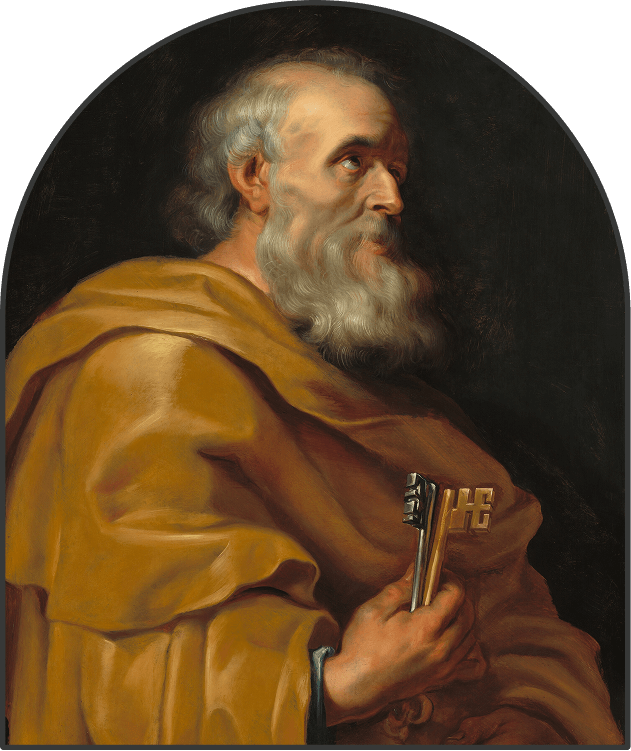
St. Theophilus of Antioch: The Apologist’s Vision of Divine Light and Spiritual Perception

Introduction
St. Theophilus of Antioch (d. c. 185 AD) stands as one of the most intriguing figures among all the second-century Church Fathers. He served as the bishop and Apologist of Antioch, one of the first powerful cities of Christianity. He defended Christianity against the attacks of Paganism, but he also wrote many works developing a deeper, richer form of spirituality based upon how a person could purify their spiritual sight and see God through the creation of the world. Even though St. Theophilus was not as well-known as contemporaries, such as Justin Martyr and Irenaeus, his contributions to the development of Christian Mysticism, particularly as they relate to the understanding of the spiritual sight of an individual and how God can illuminate a person’s spiritual path through divine light, are still very important today.
The Convert’s Journey: From Darkness to Light
St. Theophilus, like most early Christians, came to believe in Christianity after he had already been raised in the pagan culture of the Roman Empire. He was a man of philosophy; he studied a variety of religious traditions and religious documents. Theophilus describes how he came to believe in Christianity in a way that would become the cornerstone of all Christian Mysticism as:
After a long period of searching and studying various religions and religious philosophies, finally, through a significant change in my life, I have discovered the truth of the Triune God of the Hebrew Scriptures and the divinity of the Messiah through also seeing the universe with my own eyes.
He began to study philosophy, the Old Testament (Hebrew Scriptures), and paganism in a similar manner to how he studied philosophy. He had been studying different religious traditions before he was introduced to Christianity, but now he could experience the truth of the same God who the Hebrew Scriptures teach and who created the universe. This experience was not given to him through rational argument, but through an illumination of the soul.
This spiritual journey of St. Theophilus gave him a deeper understanding of how to pray and contemplate God as the One. Theophilus recognized that, for someone to see God, the person’s spiritual sight had to be purified and illuminated with God’s holy light; therefore, anyone who desired to become intimately acquainted with the love of God must first come before God and confess the individual’s sins and receive God’s Holy Spirit, who will then work within that person’s heart, to give them the gift of a new and pure heart that could be filled with the love of God.
St. Theophilus gives testimony to this conversion experience and to his understanding of spiritual vision in his writing To Autolycus (in three volumes)—written as a defense of the Christian faith to his pagan friend. He often uses the same allegorical type of language as Christ to describe his pre-Christian state of moral and spiritual blindness, and afterwards, how he came to see the reality of the One True God through the universe, and how he now sees God through the Divine Light of the Holy Spirit. By this experience, he became entirely convinced that the Greek gods of paganism were merely the projects of the human mind and the idols made in the human image rather than genuine revelations from the true God. Theophilus believes that, whenever a person’s heart becomes receptive to the Holy Spirit through faith in Christ, the individual will have a new and pure heart that will allow them to see the reality of the One True God and receive eternal life and salvation from sin.
The Eye of the Soul: Theophilus’s Teaching on Spiritual Vision
The teaching of St. Theophilus regarding the spiritual eye constitutes the most distinctive teaching of Christian spirituality. By developing an understanding of the “eye of the soul,” he was able to lay a foundation for the earliest comprehensive writings of Christian literature dealing with the spiritual vision of God. He wrote that:
Just as the soul in man is not seen, being invisible to men, but is perceived through the motion of the body, so God cannot be seen by human eyes, but is beheld and perceived through His providence and works.
This analogy between the invisible human soul and the invisible God teaches the important principle that the true essence of the spirit of any person can be experienced by the human spirit, and the essence of that spirit and the true God can be perceived through the spirit of the person.
Theophilus develops this teaching through the metaphor of the bodily eye and its care. “If you say, ‘Show me your God,’ I would reply, ‘Show me your man, and I will show you my God.’ Show, therefore, that the eyes of your soul are capable of seeing, and the ears of your heart able to hear.” The challenge isn’t God’s hiddenness but human blindness, not divine absence but human inability to perceive divine presence.
He elaborated on the conditions that are necessary for the spiritual eye to be developed and opened to perceive God:
For as a bright and polished mirror receives the likeness of a man's face, so ought the soul of man to be pure to receive the image of God. And when there is rust on the mirror, a man's face cannot be seen in it; so also when there is sin in a man, such a man cannot behold God.
These principles created a foundational foundation for the Christian mystic tradition. The soul has within it an inherent capacity for perceiving God (it is provided with an eye for spiritual vision), the power to perceive spiritual matters is evidenced by the destructive nature of sin, and through the purifying power of the grace of God, a person can become like a polished mirror that reflects and receives God’s image.
St. Theophilus draws on the metaphor of the polished mirror to anticipate the later developments in Christian mysticism—particularly in the Eastern Orthodox tradition—that teach the image of God is an aspect of divine nature.
The essence of contemplative practice is to create a new mirror through moral improvement by removing the spiritual “rust” in the soul—to create a new human mirror to see God reflected as He should be. Therefore, as the person becomes cleaner, that person becomes like a polished mirror that reflects and receives the Divine Light of the Spirit of God. Through this teaching, Theophilus expresses that it is not a foreign concept for a person to perform contemplation, rather it is restoring the original intent of our existence and capability of perception. Humans were created to see, hear, and know God, but it is sin that has corrupted these capacities. So, when people pray and contemplate, they are coming home to fulfill their original purpose and intent.
Contemplating God Through Creation
In his writings, Theophilus explains how the created universe reveals the Divine Creator, identifying the observation of nature as a legitimate path to the knowledge of God. He considers humans to be the pinnacle of creation; as such, the human race represents the means by which God reveals himself to all of his creation. Theophilus learned about the nature of God’s revelation through this sacramental perspective.
He observed the ordered beauty of the created world—the movement of the heavens, the changing seasons, and the harmony of the cosmos—believing that this order indicates divine power, wisdom, and providence. The orderly cosmos shows that God has not merely created the heavens and the earth, but that he constantly sustains all of creation .
“Consider the sun, the moon, and the stars; when they rise and set, they do not transgress their appointed order,” Theophilus observes. “Consider the days, the seasons, the years, do they not all testify to the harmonious order maintained by God?” This order is not self-explanatory; rather, it points beyond itself to the Orderer who intentionally created and continually sustains everything.
Theophilus particularly emphasizes creation’s temporal structure—day and night, seasons, years—as revealing God’s wisdom. He meditates on how darkness and light alternate in perfect rhythm, how winter gives way to spring, how all of nature operates according to divinely established patterns. This order isn’t self-explanatory but points beyond itself to the Orderer, the Logos who structures reality according to wisdom.
The bishop of Antioch also contemplates the human person as pinnacle of creation, made in God’s image and likeness. He reflects on the body’s complexity, the soul’s rational capacity, humanity’s dominion over other creatures. All of this reveals divine intention, God’s particular care for human beings as uniquely capable of knowing and loving their Creator.
This contemplative approach to creation isn’t pantheistic—Theophilus carefully distinguishes Creator from creation—but it is deeply sacramental. The material world isn’t obstacle to spiritual vision but means of spiritual vision, not darkness obscuring God but light revealing God. The contemplative learns to read creation as Scripture, perceiving divine communication through the book of nature.
This natural theology had a practical spiritual application. He encouraged his readers to practice contemplative attention to their surroundings, so that the careful observation of nature would become a form of prayer . By establishing this understanding, Theophilus democratized contemplation: one does not need esoteric knowledge to experience God, but can encounter him through the universal revelation of the heavens and the seasons .
The Divine Trinity: Early Contemplative Trinitarianism
Theophilus is said to be the first-known author of the early Christian tradition who used the term “Trinity” (from Greek Trias) to describe God as being composed of three distinct Persons and yet being of the same essence. The doctrine of the Trinity did not develop from speculation, but instead, through contemplation of how we understand God as Creator, and the relationship of God to the created universe, as Father, Son, and Holy Spirit.
He has stated that: “In like manner also the three days which were before the luminaries are types of the Trinity, of God, and His Word, and His Wisdom.” Consequently, when we view Scripture on the first three days of creation through the lens of the Trinity, it has become evident that Theophilus viewed the Scriptures with a mystical understanding, attempting to uncover the spiritual meanings of the narratives conveyed in the Scriptures.
In addition to this information about how Theophilus views God the Father, God the Son and God the Holy Spirit, he also sees the Trinity executed through the creative order established in God. Through speaking (as the learnable Word of God), God created the world. As the Wisdom of God, the Holy Spirit created and sustained the world of creation, and as the Father, God has provided us all things through His wisdom.
Theophilus’s view of the Trinity is also the result of his contemplation of how God is both immanent in creation and also transcendent above the created universe. As a result of contemplating the Divine Trinity, the individual can ascertain that the Trinity represents the pinnacle of God’s creation; through reason, we can discover the image of God the Word, through our Wisdom, we can discover the image of God as the Holy Spirit, and through our very presence, we will discover the image of God as our Holy Father. Therefore, when we participate in contemplation, we participate as God created us to participate in God’s divine image; through aligning our reason as God’s, our Wisdom as God’s, and our existence as God’s, we achieve the ultimate fulfillment of our lives.
Theophilus’s early mystical experience of the Trinity has established some key patterns for the later evolution of Trinitarian mysticism. Trinitarian contemplation is not simply a dogma that we are to accept as true, but is in fact a mystery to be explored, as well as a spiritual and metaphysical reality we experience as human beings. Therefore, when we pray to the Father through Jesus Christ through the power of the Holy Spirit, or through contemplating the Divine Presence, we will encounter all Three Divine Persons in the Trinity. The way that Theophilus has used the word “Trinity” reflects a contemplative prayerful attitude; to fully explain his experience of God and creation through prayer and reflection of God’s Word in creation, Theophilus created a new term. Therefore, Theophilus’s approach has led to the creation of the doctrine from his experiences and spiritual reflections upon creation.
The Prophetic Scriptures: Contemplative Reading
Theophilus calls attention to how much emphasis he places on reading the Hebrew Scriptures as the source for understanding the true nature of God. Theophilus’s spiritual experiences include continued and ongoing engagement with what he names “prophetic Scriptures”, which include all of Scripture, not only those writings classified as prophetic, but rather as a way for God to reveal Divine truths.
He writes:
But if you say, 'Show me your God,' I would reply, 'Read the prophetic Scriptures, and they will make you understand more accurately how powerful God is and what He is.'
To him, the prophetic Scriptures do not simply preserve historical records; it is a window into the person of God, through words inspired by Him, allowing the reader to encounter God.
Theophilus’s use of the prophetic Scriptures to come to a greater knowledge and understanding of the Divine is what would later come to be called lectio divina, a contemplative style of reading used to discover transformation in oneself instead of just a deeper understanding of the text. When he meditates on biblical writings, the meaning of the words resides in his heart and mind, and God’s voice becomes his guide.
In contrast to pagan philosophy and mythology, Theophilus finds the prophetic Scriptures offer more value. Although he examined Greek philosophy for some truth, he discovered in Scripture that the Foundation of all truth is based on direct communication from God. The holy prophets did not generate the words contained in the prophetic Scriptures from their own understanding but rather were instruments through which the holy Spirit directed them to speak the words of God and, therefore, the prophetic Scriptures serve as an accurate guide to truth.
Genesis offers an excellent example of a contemplative use of Scripture, as Theophilus meditates on the different layers of meaning found in the biblical books. On one level, the six-day account reveals the actual historical origins of the created world, while, on a deeper layer, it correlates to the spiritual truths concerning God’s triune nature, God’s creation of humanity in His image, and the dignity and purpose that God grants to all people.
Additionally, Theophilus believed that Old Testament events foreshadowed New Testament truths; he states this in connection with typological reading. Theologians define typological reading as a way of understanding the unity of the many disparate books of the Bible and how one God has a single divine purpose for the world. Readers need spiritual insight to view God’s creation, and likewise, it is through a purified vision that one can discern God’s presence in the written Word.
The bishop of Antioch emphasizes the moral dimension of the Scriptures. Contemplative reading transforms the heart, mind, and spirit. The reader becomes aware of the biblical commands and examples, and in turn the soul begins to take shape towards more virtue. The scriptural voice serves as the mirror of both what we are (sinners), and what we should become (saints), and from this reflection we are awakened to the necessity for repentance and to aspire to be holy.
The context of this spirituality and practice had direct application. Theophilus encouraged all people to read the prophetic Scriptures on a regular basis. However, speed reading does not count; he encouraged readers to take the time to read and think about the meaning. He believed that readers needed to have the biblical language memorized so that it would become a part of their thoughts. He also encouraged readers to pray the Scriptures. This prayer prepared them to approach God according to His character. Theophilus’s engagement with the scriptures and prayer formed the basis of his contemplative lifestyle.
The Practice of Prayer: Addressing the Unseen God
Theophilus does not offer an extensive teaching on the style and methods of prayer; however, he does highlight several of his principles concerning how he views prayer and how he performs prayer. To him, the essence of his spiritual life is the need to approach God, the Unseen, with a purified heart and a reliance on His mercy, knowing that, though He is God, He answers our supplications.
Through his writings, Theophilus conveys the purpose of prayer, which is a means to engage in a personal dialogue with God. It is not a means of contemplating some principle or an impersonally defined force. Theophilus’s writings convey to God his views and his belief in God’s unconditional love for all people when he says:
O God, maker of all and Overseer, who made man Your own image, impart to all an understanding that recognizes You.
This direct address demonstrates confidence in God’s personal presence, willingness to hear, and power to respond.
Theophilus often begins his prayers with the invocation of God’s character and His attributes: He often uses the title “Creator”; there is often reference made to God being “Owner”. This pattern illustrates how it was common for Theophilus to acknowledge Who God is before making his requests or praising Him. It was common for Theophilus to make his prayer as a development and connection with God’s character prior to submitting a request.
Theophilus’s prayers also acknowledge the need for humility and a reliance on God. As he prays, he does so submitting all requests to God in a dependent way. He humbly asks God for a particular gift, i.e. illumination of his mind. This humble posture reflects Theophilus’s belief that we must approach God with a repentant heart; we must always remain conscious of God’s greatness and our limitations as beings.
The content of Theophilus’s prayers reflects an inclusive and pastoral concern for all people. He often prays not just for himself but for “all”. He desires that all humans would come to the knowledge of God, demonstrating the characteristic of a bishop to be concerned with the well-being of the entire Church and mankind.
Theophilus places great importance on thanksgiving in our prayers. Recognizing God’s goodness (His gifts) to us and the things He does for us brings about a response of gratitude. Thanksgiving is not to be considered politeness but rather is a necessary part of developing spiritual growth and stirring the heart of one who wishes to become aware of humanity’s need for God’s generosity. Thanksgiving elevates us above pride and self-sufficiency.
Theophilus’s concept of prayer includes prayer for spiritual gifts; particularly, He asked God to provide illumination for informing his mind and purifying his heart. Theophilus often prayed for “eyes to see”, “ears to hear”, “hearts to understand”. Theophilus clearly believes that spiritual perception is a gift of God’s holy and divine grace; thus, he works cooperatively with God through an act of purification on the part of the human person with a reciprocal act of illumination of the divine grace of God.
Moral Purification: The Path to Contemplative Vision
Morality Purified provides Theophilus’ approach to spirituality and teaches us that moral clarification allows for insight into what one may be contemplating. The soul’s sight must first be cleared of moral impurities before being able to reflect God. Thus, ethical improvement does not constitute a preparation for contemplation rather, it is an integral component of contemplation.
Theophilus identifies certain sins which serve only to obscure one’s spiritual eyesight: Adultery, fornication, theft or robbery, idol worship, sorcery, poisoning, and pride are all recognized by Theophilus as creating “rust” on a person’s soul mirror, blocking it from reflecting or seeing God’s light. A contemplative person must undergo rigorous self-examination and moral purification to remove the moral impurity and thus have the ability to contemplate.
Humility is emphasized by Theophilus as being the foundation of one’s spiritual life. Pride creates a greater inability to see and know as much as it causes an individual to believe to be able to see with confidence that which is false, thus also closing the soul to opportunities to receive correction and divine aid. However, humility allows the soul to accept the truth and recognize the need for divine illumination and creates receptiveness for one to be able to see as they were designed to do.
Theophilus identifies chastity, moderation, and self-discipline as necessary for developing one’s spiritual sight. Bodily appetites and desires, while also promoting distraction from true contemplation, cause fragmentation, cloud one’s sense of judgment and distort the ability of one’s soul to focus upon God. Through ascetical practices of fasting, sexual purity and moderation, a soul can become spacious on the inside to be able to maintain clear thoughts regarding the contemplation of God.
In addition to the essential principles of Justice and Charity to one another, Theophilus’ teaching on moral life states that you cannot profess to love the invisible God while benefiting from the presence of the tangible neighbor. Contemplation must also provide compassion, generosity, or Justice: without compassion, the results of contemplation cannot be considered as complete, for they will have resulted from an impure heart rather than one who is pure, and therefore, by extension the soul can only freely love another if it has been purged by God’s love through contemplation.
The emphasis on moral purification stems from Theophilus’ interpretation of Hellenistic philosophy within the scope of his interpretive lenses, the Old and New Testaments. Greek philosophy focused on finding virtue as an avenue to understanding true knowledge, while at the same time biblical revelation stressed the necessity of holiness or purity to approach God. Thus, through synthesis of both Greek and biblical teachings, Theophilus developed a Spirituality which proposes that moral purification and illumination of a believer are linked inextricably.
In Theophilus’ view, the process of moral purification, while requiring both human effort and divine grace, is ultimately a gift directly bestowing God’s Spiritual gifts upon mankind through the Holy Spirit, thus requiring the collaboration of a believer’s human will and the divine power of God in order to be able to see clearly that which God has created.
Resurrection and Restoration: Eschatological Contemplation
Theophilus develops extensive meditation on resurrection and final restoration, contemplating the eschatological fulfillment when bodies will be raised and creation renewed. This forward-looking dimension of his spirituality shapes present practice, offering hope that motivates perseverance and perspective that relativizes current sufferings. He defends bodily resurrection against pagan critics who found the doctrine absurd.
Using analogies from nature—seeds that die and produce new life, seasonal cycles of death and rebirth—Theophilus contemplates how God who created bodies from nothing can certainly recreate them. This meditation on resurrection affirms material creation’s goodness, the body’s dignity, and God’s power over death.
His teaching on resurrection has contemplative implications. If bodies will be raised and glorified, then embodied existence matters eternally. Ascetical practices aren’t about escaping the body but purifying it, preparing it for glorification. Contemplation engages the whole person—body, soul, and spirit—not just disembodied intellect or pure spirit.
Theophilus also contemplates the restoration of humanity’s original state before the fall. Adam and Eve were created neither mortal nor immortal but capable of either, depending on their choice. Through sin they chose death; through Christ humans can choose life. Contemplation of this original condition reveals what we were meant to be, inspiring aspiration toward restored humanity.
He meditates on eternal life not as an endless duration of current existence but as a transformed mode of being. The resurrected will live in God’s presence, perceive divine glory directly, and participate in divine life fully. This contemplation of ultimate fulfillment provides motivation for present spiritual discipline, hope amid current struggles.
The eschatological dimension of Theophilus’s spirituality also includes contemplation of judgment. God will evaluate all human deeds, rewarding righteousness and punishing wickedness. This awareness of accountability shapes present living, encouraging virtue and deterring sin. Contemplation of final judgment produces holy fear—not terror but reverent awareness of God’s justice.
Theophilus’s eschatology balances present and future, already and not yet. The spiritual vision possible now anticipates the direct vision that will be granted in resurrection. Current purification prepares for future glorification. Present struggles have eternal significance. This balanced perspective prevents both complacency (assuming salvation without transformation) and despair (doubting that transformation is possible).
Apologetics as Contemplative Practice
Theophilus’ apologetic defense of Christianity against pagan criticisms is a form of contemplative practice, in which Theophilus not only has to meditate on the truths of Christianity deeply, but also articulate the insights gained through spiritual vision and at the same time, to be patient when explaining the faith to those whose eyes are still closed.
When writing To Autolycus, Theophilus was in extended contemplation dialogue with his cultured pagan friend. He not only made assertions about Christianity’s claims but also invited Autolycus to join him in the exploration, reflection and discovery process. The dialogical approach of this book is similar to that of Some inner dialogue that occurs during contemplative prayer when the person praying has an ongoing conversation with God, asking questions, pondering the answers, and penetrating deeper and deeper into the mystery of God.
The method Theophilus uses to defend his faith is to contemplate the various ways in which pagan viewers might perceive the teachings of Christianity as being in conflict with their beliefs. As previously stated, the process of empathically engaging with those of differing beliefs and perspectives demonstrates a contemplative virtue, in that a person has the ability to view the world from the perspective of an-other, while still maintaining an unwavering commitment to the truth of God.
The use of philosophical categories and the Hellenistic mindset by Theophilus to explain the teachings of Christianity demonstrates the contemplative adaptation of Scripture and the teachings of the Church. This involves contemplating how the unique revelation contained in both Scripture and the teachings of the Church can be articulated in concepts and language that are easily understood by Theophilus’ pagan audience. To do this requires an in-depth understanding of both Christian truth and the thought processes of the pagans, whereby a familiarity with analogies and differences is necessary.
The apologetic task of defending one’s faith against the criticisms of others has the effect of facilitating Theophilus’ contemplation of the foundations of the faith. The necessity for Theophilus to defend his faith resulted in his being able to articulate more concisely his beliefs about God and the nature of God, as well as the doctrine of redemption and to discover how these doctrines are interrelated. Teaching others about the Christian faith provides the most profound opportunity for Theophilus to gain further insight and experience with the teachings of the Church; this is a contemplative principle that subsequent contemplative writers emphasize.
Theophilus’ apologetics also demonstrates his contemplative perspective about the Church’s missionary calling—the desire for the salvation of others carried into the darkness, to bring forth the light of the truth and to invite all into the company of the purified.
The Community of Faith: Ecclesial Contemplation
The spirituality of Theophilus as bishop of Antioch was not based solely on an individualistic contemplative vision. The contemplative vision of Theophilus expanded to include the Church as a community of believers who collectively contemplate and reflect on the glory of God.
Theophilus viewed the Church as the continuation of the prophetic tradition—a community of believers who receive, preserve and proclaim the Divine Revelation. The bishops continue the ministry of the apostles, and the apostles were the successors to the prophets with respect to this ministry. This ecclesial continuity provides a safe and reliable guide to determining Truth and therefore protects Christians from errant teachings and interprets and empowers the Church in making contemplative development.
In addition to emphasizing the authority of bishops, Theophilus’ teaching about the authority of the bishop demonstrates contemplative wisdom that would later assist in discerning personal perceptions of spiritual truth. While an individual’s spiritual perception is personal, it must be confirmed through the community to which they belong. The purified individual does not become independent of the Church but rather learns how to develop and grow through community and communion with others, surrounded by tradition and obtaining guidance.
Although the liturgical dimension of Theophilus’ spirituality is not discussed extensively in surviving works of Theophilus, he as bishop presided at the Eucharistic table, baptismal service and ordained priests, made sacramental blessings. Each of these actions constitutes a means for Theophilus to engage in contemplation—moments when heaven intersects with earth, and God supersedes the ordinary earthly reality.
The contemplation that Theophilus engaged in required him to have the ability to contemplate the spiritual needs of his parishioners in Antioch. He needed to have discernment in perceiving the working of the Spirit of God among them, to diagnose the correct understanding of faith and to distinguish between what was true and false.
In recognizing the Church’s missionary nature, Theophilus emphasized that the Christian community is called not merely to exist but to preach the truth to those lost in sin and to invite those in darkness to share in the Church’s love. Consequently, there is an outward orientation to the missionary call of the Church with regard to the need to maintain an appropriate balance between the interior depth achieved through contemplation and the exterior mission.
Legacy and Influence
St. Theophilus of Antioch made significant contributions to the development of Christian Mysticism and Contemplative Theology. Although his writings and influence were not as widely recognized as some of his contemporaries, The teachings of St. Theophilus leave a significant mark on history. Through his understanding of the eye of the soul, St. Theophilus taught about the need to purify our vision if we are to see God. His approach to spiritual sight influenced the Eastern mystical traditions for centuries, as these traditions adopted this approach and used the metaphor of spiritual sight as the basis for understanding the Divine.
Theophilus’ insistence that creation is a means of physical revelation of God was an important factor in developing a positive Christian perspective of nature as a source of Divine revelation. While the Gnostic tendency towards rejecting matter is well known, Theophilus points out that the knowledge of the Invisible Creator comes from understanding Creation as a visible manifestation of the Creator. This understanding of creation as a sacrament is a key aspect of the orthodox Christian model of spirituality.
The Trinitarian terminology used by St. Theophilus also expresses how the practice of contemplative meditation leads to a creation of theological terms. Theophilus’ contemplation of the relationship of God to the created order through the Word and the Wisdom, gave clarity to the theological understanding that would lead to the further development of doctrine.
Through the apologetics of St. Theophilus, he established the pattern for future apologists to follow. St. Theophilus emphasized approachability in presenting the truth of Christianity, and his method of patiently explaining the truths of Christianity and of explaining Christian thought in the language of philosophy, and treating objections to Christianity with courtesy, set the model for Christian apologetic methods. St. Theophilus’ method combined the rigour of intellect with the warmth of the heart; through this combination he showed how contemplation and rationality can complement, rather than oppose, one another.
St. Theophilus synthesized the two worlds of Hellenism and Biblical Revelation; the synthesis enabled Christians in the Hellenistic world to absorb the best aspects of Classical culture while remaining true to their distinct identity as Christians. His spirituality demonstrated that Christians can continue to make use of the philosophical terms and contemplative practices of Hellenism while remaining grounded in the Scriptural idea of creation.
Conclusion: The Vision of Divine Light
St. Theophilus of Antioch continues to invite contemporary seekers and pilgrims to embrace a spirituality that centers on the formation of the purified vision of God; the transformation of our morals through ethical discipline and the illumination of our souls through contemplation; a spirituality that brings together the conversion of the moral and spiritual eyes of the inquirer to see God.
The basic insight of St. Theophilus that the knowledge of God is not just through intellectual understanding, but rather through spiritual perception, and through the purifying of the moral life of the soul, has a clear relevance in today’s world. In a time of excessive information, and the growing trend of superficial spirituality, St. Theophilus clearly reminds us that if we want to see God, we must prepare ourselves. If we attempt to see God without the eye of the soul being clean and unclouded, we will not succeed; the eye of our soul will still be clouded by our sins, passions and material distractions.
The teachings of St. Theophilus regarding creation as the means of revealing God speak to today’s society and challenge individuals and the society at large to return to nature, to observe the sun and moon, to appreciate the harmony of the created order, and through their observation to learn about the nature of God. Through this disciplined observation of nature, it becomes a source of prayer and provides a basis for connecting the individual with God through His creation.
The teachings of St. Theophilus show that through reading the Scripture contemplatively, individuals honor its authority while engaging their entire intellectual and spiritual capabilities to extract meaning from the text. He practiced reading the Scriptures in a way that opened multiple and deeper meanings to the soul through a process of contemplating how the text impacted their soul and transformed their heart.
St. Theophilus teaches us to understand God as the Three Households in communion, to understand God as the God of Creation and God who incarnated as Jesus Christ and is present with us today through the Holy Spirit. Through prayer, we are encouraged to approach God with our view of God as the Father through the Son in the presence of the Holy Spirit, and to participate in the divine life of God that has always existed among the Father, Son, and Holy Spirit.
The fundamental premise of the teachings of St. Theophilus is that it is possible for us to have spiritual sight, that we have the ability to perceive God’s divinity and that it is not a privilege given only to rare individuals, but that everyone can attain it through the practice of the, necessary preparation of the mind. Any person can have their sins removed and their eye’s opened to see God’s divine presence.
Our Editorial Standards:
All our content on Christian meditation traditions, prayers, and spiritual practices is reviewed by Dr. Megan Remington, PhD, ensuring theological soundness and spiritual depth.
We draw from centuries of Christian contemplative tradition, citing respected theological sources, biblical references, and established spiritual practices.
Our team understands that spiritual struggles are deeply personal. We approach topics of anxiety, strength, healing, and peace with compassion and biblical wisdom.
We continuously review and update our spiritual resources to ensure they remain relevant and aligned with orthodox Christian teaching.
Each article clearly identifies our writers and reviewers, along with the theological sources and biblical foundations used.
 To guarantee that all of our information is accurate, we ensure that all our sources are reputable. That means every source is authenticated and verified to be backed only by medical science.